
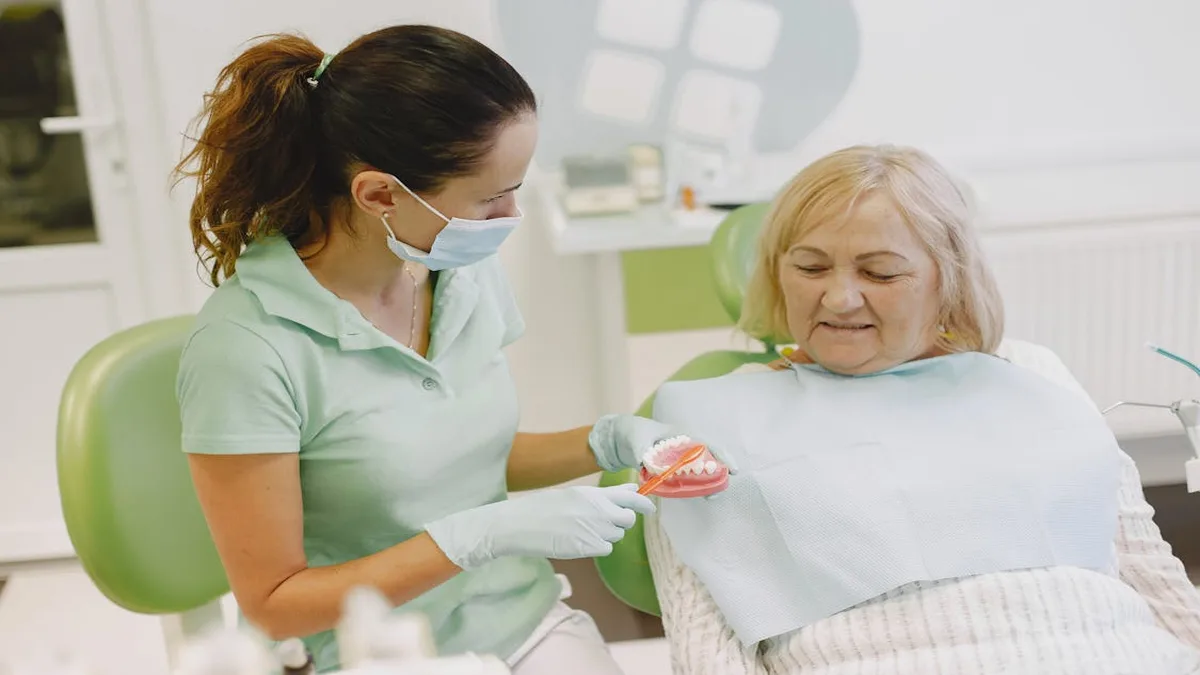
Original Medicare does not cover routine dental care. No cleanings, no fillings, no dentures, no implants. This surprises many people turning 65 who assumed Medicare would handle all their healthcare needs, including their teeth.
The gap is significant. According to the Centers for Medicare & Medicaid Services, nearly half of all Medicare beneficiaries lack dental coverage, and roughly 30% have untreated tooth decay. Poor oral health is linked to heart disease, diabetes complications, and respiratory illness, making this far more than a cosmetic issue.
The good news: you have options. Medicare Advantage plans, standalone dental insurance, PACE programs, and Medicaid can all help fill the gap. This guide explains exactly what Medicare does and does not cover for dental care in 2026 and walks you through every path to getting the coverage you need.
Does Original Medicare (Part A and Part B) Cover Dental?
In short, no. Original Medicare has a very limited role when it comes to dental care. Federal law under Section 1862(a)(12) of the Social Security Act explicitly excludes coverage for most dental services.
What Original Medicare Does Not Cover
Medicare does not pay for items and services related to the care, treatment, filling, removal, or replacement of teeth or the structures directly supporting them. This exclusion covers the dental services people need most, including:
- Routine dental exams and cleanings
- Fillings, crowns, and bridges
- Tooth extractions (routine)
- Dentures and dental implants
- Root canals
- Periodontal (gum) treatment
- Dental X-rays for routine care
- Orthodontic treatment
If you receive any of these services under Original Medicare, you pay 100% of the cost out of pocket.
Limited Dental Coverage Under Part A (Hospital-Related)
Medicare Part A may cover dental services that require hospitalization because of either the severity of the dental procedure or your underlying medical condition. For example, if you need complex jaw surgery that requires a hospital stay, Part A may cover the hospital costs.
Dental Services Linked to Other Covered Treatments
Under rules expanded since 2023, Medicare can pay for dental services that are “inextricably linked” to the clinical success of certain covered medical procedures. Examples include:
- Before organ transplants: Dental exams and treatment to eliminate oral infections before kidney, heart, or liver transplants
- Before cardiac valve replacement: Oral exams and dental treatment to reduce infection risk before heart valve surgery
- Before or during cancer treatment: Dental services related to chemotherapy, CAR T-cell therapy, or high-dose bone-modifying agents
- Dialysis for ESRD: Dental exams and treatment to address oral infections before or during Medicare-covered dialysis
- Jaw reconstruction: Following tumor removal, trauma, or disease
In these cases, Medicare pays because the dental work is medically necessary to support the primary covered treatment, not because the dental work is covered on its own. Once the covered medical treatment is complete, the dental exclusion applies again.
Does Medicare Part B Cover Dental?
Part B covers some oral health services considered medical rather than dental:
- Oral cancer screenings as part of a medical exam
- Jaw-related surgical procedures that are medically necessary (fracture repair, tumor removal)
- Biopsies of oral tissue when evaluating a medical condition
However, Part B does not cover routine dental care, preventive dental services, or restorative dental work. For Part B-covered dental services tied to medical procedures, you pay 20% of the Medicare-approved amount after meeting the annual Part B deductible ($283 in 2026).
This coverage gap is similar to other areas where Original Medicare falls short. For example, Medicare’s vision coverage is also limited, and hearing aids are not covered under Original Medicare either. For a complete picture of what is and is not included, see our guide to what Medicare covers in 2026.

Medicare Advantage Dental Benefits
If you want dental coverage through Medicare, a Medicare Advantage plan (Part C) is the most common solution. These plans are offered by private insurance companies approved by Medicare. They must cover everything Original Medicare covers, and most include additional benefits, including dental.
How Medicare Advantage Dental Coverage Works
Over 90% of Medicare Advantage plans now offer dental benefits, according to CMS data. However, the scope varies significantly from plan to plan. Benefits typically fall into tiers:
| Coverage Tier | Services Typically Included | Cost Sharing |
|---|---|---|
| Preventive | Oral exams, cleanings (1-2/year), dental X-rays | Often $0 copay |
| Basic/Comprehensive | Fillings, simple extractions, periodontal maintenance | 20-50% coinsurance |
| Major | Crowns, bridges, root canals, dentures, implants | 50-80% coinsurance; may have waiting periods |
Annual Dental Benefit Caps
Most Medicare Advantage plans set an annual maximum on dental benefits, typically ranging from $1,000 to $3,000 per year. Some plans offer higher limits or unlimited preventive care. Once you hit the cap, you pay the full cost for any remaining dental work that year.
When evaluating a plan for dental benefits, check:
- Annual maximum benefit (the most the plan pays toward dental per year)
- Covered services (preventive only, or comprehensive including major work)
- Network requirements (must you use in-network dentists?)
- Waiting periods (some plans require 6-12 months before major services are covered)
- Cost sharing (copays and coinsurance for each service category)
The trade-off with Medicare Advantage is that most plans use provider networks, meaning you may need to see in-network dentists to get the best rates. Before enrolling, verify your current dentist accepts the plan. Learn more in our Medicare Advantage vs. Medigap comparison guide.
Standalone Dental Insurance for Medicare Beneficiaries
If you prefer Original Medicare with a Medigap supplement, or your Medicare Advantage plan lacks adequate dental coverage, standalone dental insurance is a solid option. These are separate policies purchased from private insurance companies specifically for dental care.
DPPO (Dental Preferred Provider Organization)
- Monthly premiums: Typically $25-$60
- Annual maximums: Usually $1,000-$2,000
- Network flexibility: See any dentist; pay less with in-network providers
- Best for: Seniors who want flexibility to keep their current dentist
DHMO (Dental Health Maintenance Organization)
- Monthly premiums: Typically $8-$20
- Annual maximums: Usually no annual cap (services at set copay amounts)
- Network requirements: Must use in-network dentists; choose a primary dental provider
- Best for: Budget-conscious seniors flexible about which dentist they see
What to Watch For
Standalone dental plans often have waiting periods of 6-12 months before covering major services like crowns, bridges, or dentures. Preventive services are usually covered immediately. Also consider:
- Annual maximums can be low. A single crown can cost $1,000-$1,500, potentially exhausting your annual benefit
- Deductibles typically range from $50-$150 per year
- Pre-existing conditions may not be covered immediately
- You can enroll any time, unlike Medicare Advantage plans which have specific enrollment windows
Important: Medigap (Medicare Supplement) plans do not cover dental services. They help pay out-of-pocket costs for Original Medicare but do not add new benefit categories. You will still need a separate dental plan.
PACE Program Dental Coverage
The Program of All-Inclusive Care for the Elderly (PACE) is a Medicare and Medicaid program that provides comprehensive medical and social services to frail, elderly individuals who qualify for nursing home care but can still live safely in the community. PACE programs typically include dental care as part of their all-inclusive benefit package.
PACE dental benefits often include:
- Routine dental exams and cleanings
- Fillings, extractions, and dentures
- Emergency dental treatment
- Preventive care and oral health education
To qualify for PACE, you generally must be 55 or older, live in a PACE service area, be certified as needing nursing-home-level care by your state, and be able to live safely in the community with PACE support. Most PACE participants are dually eligible for both Medicare and Medicaid. If you qualify for Medicaid, you may pay nothing for PACE services. If you have Medicare only, you will pay a monthly premium for the long-term care portion and a premium for Medicare Part D drugs.
PACE is not available everywhere. Visit Medicare.gov/care-compare to find PACE programs in your area.
Medicaid Dental Coverage for Dual-Eligible Beneficiaries
If you qualify for both Medicare and Medicaid (known as “dual-eligible”), your state Medicaid program may cover dental services that Medicare does not. Dental coverage under Medicaid varies significantly by state:
- Comprehensive dental states: Some states provide extensive dental benefits including preventive, restorative, and emergency services
- Limited dental states: Other states cover only emergency dental procedures or provide a very basic benefit
- Emergency-only states: A few states cover dental services only when they are needed to address pain or infection
If you think you may qualify for Medicaid, contact your state Medicaid agency to learn what dental services are available. You can find your state’s Medicaid office at Medicaid.gov.
How to Find Affordable Dental Care on Medicare
Beyond insurance, several options can help make dental care more affordable:
Dental Discount Plans
Not insurance but membership programs offering reduced rates (typically 10-30% off) at participating dentists. Annual fees range from $80-$200. No waiting periods or annual maximums.
Dental Schools
Dental schools offer treatment at significantly reduced costs (often 50-70% less than private practices). Care is provided by supervised dental students. Find accredited programs through the American Dental Association at ada.org.
Community Health Centers
Federally Qualified Health Centers (FQHCs) offer dental services on a sliding fee scale based on income. Visit findahealthcenter.hrsa.gov to locate a center near you.
Veterans Benefits
Veterans enrolled in VA healthcare may qualify for dental benefits through the VA, separate from and in addition to Medicare.
2026 Updates to Medicare Dental Coverage
While Original Medicare’s dental exclusion remains largely unchanged for 2026, several developments are worth noting:
- Expanded medical exceptions continue. CMS rules allowing dental coverage when integral to covered medical procedures (organ transplants, cardiac surgery, cancer treatment, dialysis) remain in effect and have been gradually expanding since 2023
- Medicare Advantage dental benefits are growing. Insurers continue to compete on dental benefits. More plans offer comprehensive coverage with higher annual maximums
- Preventive dental focus. Many Medicare Advantage plans now emphasize preventive dental services (cleanings, exams, X-rays) at $0 copay
- No legislative expansion for Original Medicare. Despite ongoing congressional discussions about adding dental to Original Medicare, no legislation has been enacted as of 2026. Routine dental care remains excluded from Parts A and B
- Part D out-of-pocket cap. While not dental-specific, the new $2,100 annual out-of-pocket cap on Part D prescription drugs frees up some household budget that beneficiaries may redirect toward dental expenses
Talk to a Medicare advisor at The Big 65 to find the best dental coverage option for your situation.
How to Choose the Right Dental Coverage Path
Your best strategy depends on how you receive your Medicare benefits and what dental care you expect to need.
If You Have Original Medicare + Medigap
Add a standalone dental plan (DPPO or DHMO). This gives you the broad provider access of Original Medicare for medical care, plus dedicated dental coverage. Compare plans based on your expected dental needs for the year.
If You Want an All-in-One Solution
Choose a Medicare Advantage plan with comprehensive dental benefits. Look for plans with annual dental maximums of at least $1,500-$2,000 and confirm your preferred dentist is in-network.
If You Have Minimal Dental Needs
A Medicare Advantage plan with basic preventive dental (cleanings, exams) may be sufficient. Many plans cover preventive dental at $0 copay. Add a dental discount plan for occasional additional work.
If You Expect Major Dental Work
Consider layering coverage: a Medicare Advantage plan with dental benefits plus a supplemental standalone dental plan. Plan ahead since waiting periods may apply for expensive procedures like implants, crowns, or dentures.
If You Are Dual-Eligible
Check your state Medicaid dental benefits first, as these may cover what you need at no cost. You may also qualify for PACE if you meet the eligibility criteria.
Unlike dental, some other services are covered well by Medicare. Cataract surgery, for instance, is covered under Part B with relatively low out-of-pocket costs.
When to Enroll in Dental Coverage
- Medicare Advantage plans: Enroll during your Initial Enrollment Period (7 months around your 65th birthday), the Annual Enrollment Period (October 15 through December 7), or the Medicare Advantage Open Enrollment Period (January 1 through March 31)
- Standalone dental plans: Most allow enrollment year-round, but check for waiting periods on major services
- Dental discount plans: Enroll any time with immediate access to discounts
Frequently Asked Questions
Does Medicare cover dental cleanings?
No. Original Medicare does not cover routine dental cleanings. To get coverage for cleanings, you need a Medicare Advantage plan with dental benefits or a standalone dental insurance plan. Many Medicare Advantage plans cover two cleanings per year at $0 copay.
Does Medicare cover dental implants?
Original Medicare does not cover dental implants. Some Medicare Advantage plans may offer partial coverage for implants, but benefits are typically limited by annual maximums and may require prior authorization. Standalone dental plans may also cover a portion after a waiting period.
Does Medicare cover dentures?
Original Medicare does not cover dentures. Medicare Advantage plans may include partial denture coverage under the “major services” category with 50-80% coinsurance. Standalone dental plans may also cover dentures after a waiting period.
Does Medicare Part B cover dental?
Part B does not cover routine dental care. It may cover certain oral health services that are medical in nature, such as jaw surgery, oral biopsies, or dental treatment integral to a covered medical procedure like an organ transplant or cardiac valve replacement.
Does Medicare Advantage cover dental?
Most Medicare Advantage plans include some dental benefits, with over 90% now offering dental coverage. The scope varies widely from preventive-only to comprehensive coverage including major dental work. Always review the plan’s Summary of Benefits before enrolling.
Can I buy dental insurance if I have Medicare?
Yes. You can purchase a standalone dental insurance plan regardless of whether you have Original Medicare or Medicare Advantage. Standalone dental plans are available from private insurance companies and can typically be purchased year-round.
Is there free dental care for seniors on Medicare?
Some options exist. Community health centers offer sliding-scale fees. Dental schools provide reduced-cost treatment. If you qualify for both Medicare and Medicaid, your state Medicaid program may cover dental services. PACE programs also include dental care for qualifying participants.
Will Medicare ever cover dental?
There have been ongoing legislative discussions about adding comprehensive dental coverage to Original Medicare. As of 2026, no legislation has been passed. Medicare Advantage plans remain the primary way to get dental benefits through Medicare.
Get Expert Help Choosing Your Dental Coverage
Figuring out the best way to get dental coverage alongside Medicare does not have to be overwhelming. Karl Bruns-Kyler, founder of The Big 65 and a licensed Medicare advisor with over 20 years of experience across 33 states, can help you evaluate your options and find a plan that fits your dental needs and budget.
Whether you are comparing Medicare Advantage plans with dental benefits, exploring standalone dental insurance, or navigating PACE and Medicaid options, personalized guidance can save you from costly mistakes.
Learn more about Medicare coverage for eye exams, hearing aid coverage, or what Medicare covers in 2026.
Not Sure Which Medicare Plan Is Right for You?
Medicare is complicated, but you do not have to figure it out alone. With over 20 years of experience, Karl Bruns-Kyler can help you compare plans, avoid costly mistakes, and find the coverage that fits your needs and budget.
Call (877) 850-0211
Or schedule a free consultation at a time that works for you.
There is never a charge for my services. Your premium is the same whether you work with me or go direct.
Disclaimer: We do not offer every plan available in your area. Currently, we represent 10 organizations that offer 50 products in your area. Please contact Medicare.gov or 1-800-MEDICARE to get information on all of your options.