
What Original Medicare Covers for Vision in 2026
If you’re approaching 65 or already enrolled in Medicare, you’ve probably wondered: does Medicare cover eye exams? The short answer is that Original Medicare provides limited vision coverage, but it does cover certain medically necessary eye care. Understanding exactly what’s included, and what isn’t, can help you avoid unexpected bills and find the right coverage for your needs.
Talk to a licensed Medicare advisor at The Big 65 to find the right vision coverage for your needs.
This guide breaks down everything you need to know about Medicare vision coverage in 2026, including what Original Medicare covers, what it doesn’t, how Medicare Advantage plans can fill the gap, and your options for standalone vision insurance.
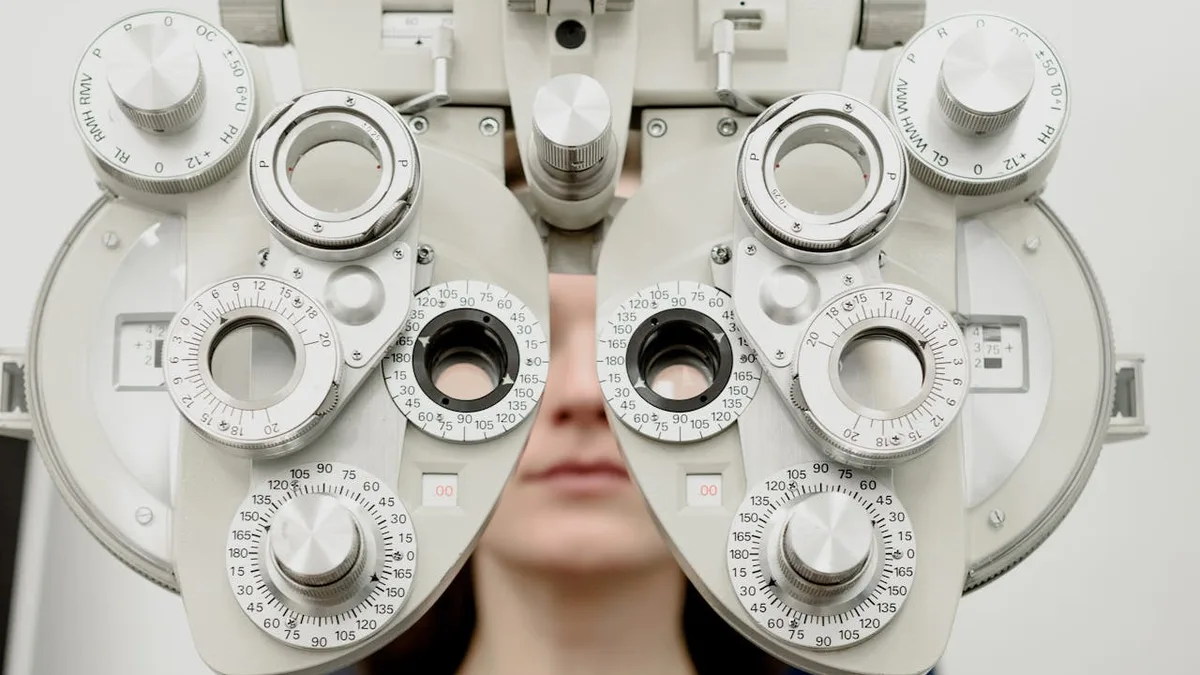
Original Medicare (Part A and Part B) doesn’t cover routine vision care, but it does cover specific eye-related medical services. Here’s what’s included under Medicare Part B:
Diabetic Eye Exams
If you have diabetes, Medicare Part B covers a dilated eye exam once every 12 months to screen for diabetic retinopathy. This is a condition where high blood sugar damages blood vessels in the retina and can lead to vision loss if untreated.
- Frequency: Once per year
- Who qualifies: All Medicare beneficiaries diagnosed with diabetes
- Your cost: After meeting the Part B deductible ($283 in 2026), you pay 20% of the Medicare-approved amount
- Requirement: Must be performed by an eye doctor legally authorized in your state
Glaucoma Screening
Medicare Part B covers glaucoma screenings once every 12 months for beneficiaries considered high risk. This painless test checks your vision and optic nerve health for signs of glaucoma, a leading cause of blindness in older adults.
You qualify as high risk if at least one of the following applies:
- You have diabetes
- You have a family history of glaucoma
- You are Hispanic and age 65 or older
- You are African American and age 50 or older
After the Part B deductible, you pay 20% of the Medicare-approved amount. A copayment may also apply in hospital outpatient settings.
Macular Degeneration Treatment
Medicare Part B covers diagnostic tests and treatment for age-related macular degeneration (AMD), including anti-VEGF injections used to slow vision loss in wet AMD. Since AMD is a medical condition rather than a routine vision issue, these services fall under Part B’s medical coverage.
Post-Cataract Surgery Eyeglasses
Here’s one exception many people don’t know about: if you have cataract surgery that includes implanting an intraocular lens (IOL), Medicare Part B covers one pair of eyeglasses with standard frames or one set of contact lenses after the procedure.
- What’s covered: One pair of standard-frame glasses OR one set of contacts per cataract surgery
- Your cost: After the Part B deductible, you pay 20% of the Medicare-approved amount. You pay extra for upgraded frames
- Important: You must get your glasses or contacts from a supplier enrolled in Medicare
This is the only circumstance under Original Medicare where eyeglasses or contact lenses are covered.
What Medicare Does NOT Cover for Vision
This is where many beneficiaries are caught off guard. Original Medicare does not cover routine vision care, which includes:
- Routine eye exams (eye refractions for glasses or contact lens prescriptions)
- Eyeglasses (except the post-cataract exception above)
- Contact lenses (except post-cataract)
- Lens fittings
- LASIK or other refractive surgery
If you’re asking “does Medicare cover glasses?” the answer for Original Medicare is no, unless you’ve just had cataract surgery. For routine vision needs, you pay 100% out of pocket.
This gap in coverage is similar to how Original Medicare doesn’t cover routine dental care or hearing aids. These are areas where supplemental coverage becomes important.
Medicare Advantage Plans: Your Best Option for Vision Benefits
If routine vision coverage is important to you, Medicare Advantage (Part C) plans are often the best solution. According to the Centers for Medicare & Medicaid Services, the majority of Medicare Advantage plans include vision benefits that go well beyond what Original Medicare offers.

What Medicare Advantage Vision Benefits Typically Include
- Routine eye exams: Usually covered annually, sometimes with a small copay or at no extra cost
- Eyeglasses and contact lenses: Many plans offer an annual allowance (commonly $100 to $300 or more) toward frames, lenses, or contacts
- Lens upgrades: Some plans cover progressive lenses, anti-glare coatings, or photochromic lenses
- Contact lens fittings: Often included when the plan covers contacts
How Medicare Advantage Vision Benefits Work
Vision coverage through Medicare Advantage varies by plan and carrier. Here are key factors to evaluate:
- Network: Most plans use vision networks (like EyeMed or VSP). You’ll pay less using in-network providers
- Annual allowance: Many plans give you a set dollar amount each year for eyewear
- Copays: Routine exams typically have a flat copay ($0 to $50 is common)
- Frequency: Most plans cover one routine exam and one pair of glasses per year
When comparing Medicare Advantage vs. Medigap, vision benefits are one of the key advantages that Medicare Advantage plans offer. Medigap plans supplement Original Medicare’s costs but don’t add new categories of coverage like routine vision.
How Much Do Eye Exams and Glasses Cost Without Coverage?
If you have Original Medicare with no supplemental vision coverage, here’s what you can expect to pay out of pocket:
| Service | Typical Cost Range |
|---|---|
| Routine eye exam | $75 to $250 |
| Eyeglasses (frames + lenses) | $200 to $600+ |
| Contact lenses (annual supply) | $150 to $500+ |
| Progressive lenses | $200 to $400 (lenses only) |
| Contact lens fitting | $50 to $200 |
These costs add up quickly, especially if you need new prescriptions annually. This is why many Medicare beneficiaries look into additional vision coverage options.
Standalone Vision Insurance for Medicare Beneficiaries
If you prefer Original Medicare with a Medigap supplement (rather than switching to Medicare Advantage), you can purchase standalone vision insurance to cover routine eye care.
What Standalone Vision Plans Typically Cover
- Annual routine eye exam
- Allowance for eyeglasses or contact lenses
- Discounts on lens upgrades and additional pairs
- Discounts on LASIK and other procedures
Popular Vision Insurance Providers
- VSP (Vision Service Plan): One of the largest vision networks; individual plans typically run $15 to $25 per month
- EyeMed: Competitive individual plans with wide retail network access
- AARP Vision Plans: Offered through EyeMed specifically for AARP members
- Humana Vision: Standalone vision plans available in many states
When evaluating standalone vision plans, compare the annual premium cost against your expected out-of-pocket spending on exams and eyewear. For many seniors, the math works out in favor of a plan if you get annual exams and new glasses regularly.
How to Get a Free or Low-Cost Eye Exam
If cost is a concern, several programs offer free eye exams or reduced-cost vision care for seniors:
- EyeCare America (American Academy of Ophthalmology): Provides eye exams at no out-of-pocket cost for eligible seniors 65 and older who haven’t seen an ophthalmologist in three or more years
- Lions Club International: Many local Lions Clubs offer free vision screenings and help with the cost of eyeglasses
- State assistance programs: Some states offer vision assistance programs for low-income seniors. Check with your state’s Department of Aging
- Medicaid: If you qualify for both Medicare and Medicaid (dual-eligible), Medicaid may cover routine vision care that Medicare does not
- Community health centers: Federally qualified health centers often provide vision services on a sliding fee scale based on income
Medicare Vision Coverage: Quick Reference Summary
| Service | Original Medicare | Medicare Advantage |
|---|---|---|
| Routine eye exams | ❌ Not covered | ✅ Usually covered |
| Eyeglasses / contacts | ❌ Not covered* | ✅ Annual allowance common |
| Diabetic eye exams | ✅ Covered annually | ✅ Covered annually |
| Glaucoma screening | ✅ Covered (high risk) | ✅ Covered |
| Macular degeneration treatment | ✅ Covered | ✅ Covered |
| Post-cataract glasses | ✅ One pair covered | ✅ Covered |
| LASIK / refractive surgery | ❌ Not covered | ❌ Rarely covered |
*One pair of glasses or contacts covered after cataract surgery with IOL implant.
Frequently Asked Questions About Medicare and Vision
Does Medicare Part B cover eye exams?
Medicare Part B covers medically necessary eye exams, including annual diabetic eye exams and glaucoma screenings for high-risk individuals. It does not cover routine eye exams for glasses or contact lens prescriptions.
Does Medicare cover glasses?
Original Medicare covers one pair of eyeglasses with standard frames (or one set of contact lenses) only after cataract surgery that implants an intraocular lens. Routine eyeglasses are not covered. Many Medicare Advantage plans offer annual eyewear allowances.
Can I get a free eye exam with Medicare?
Original Medicare doesn’t offer free routine eye exams. However, certain medically necessary exams (like diabetic eye exams) are covered after you meet your deductible, at 20% coinsurance. Some Medicare Advantage plans offer routine exams with $0 copays. Programs like EyeCare America also provide free exams for eligible seniors.
Does Medicare cover contacts?
Original Medicare only covers contact lenses after cataract surgery. For routine contact lens use, you’ll need a Medicare Advantage plan with vision benefits or standalone vision insurance.
What’s the difference between vision coverage in Medicare Advantage vs. Original Medicare?
Original Medicare covers only medically necessary eye care (diabetic exams, glaucoma screening, macular degeneration, post-cataract eyewear). Medicare Advantage plans typically add routine vision benefits including annual eye exams, eyewear allowances, and contact lens coverage.
Does Medigap cover vision?
No. Medigap (Medicare Supplement) plans help pay your share of costs already covered by Original Medicare, like deductibles and coinsurance. They do not add new benefits like routine vision coverage. If you have Medigap, consider standalone vision insurance for routine eye care.
Does Medicare pay for eye exams at any eye doctor?
For covered services like diabetic eye exams and glaucoma screenings, you can visit any eye doctor who accepts Medicare assignment. For Medicare Advantage vision benefits, you may need to use in-network providers for the lowest costs. Always check with your plan before scheduling an appointment.
What vision changes should I report to my doctor?
Report sudden vision changes, floaters, flashes of light, or any unexplained vision loss to your doctor immediately. These could indicate a medical condition that Medicare Part B would cover. Regular eye exams are especially important if you have diabetes, a family history of eye disease, or are over age 65.
How to Choose the Right Vision Coverage
The right approach depends on your overall Medicare coverage and vision needs:
- If you want all-in-one coverage: A Medicare Advantage plan with strong vision benefits may be your best option. Look for plans with annual eye exams, a generous eyewear allowance, and a wide provider network
- If you prefer Original Medicare + Medigap: Add a standalone vision insurance plan to fill the gap. Compare annual premiums against your expected eye care costs
- If you have diabetes or are at high risk for glaucoma: Make sure you’re taking advantage of the medically necessary eye exams that Original Medicare already covers
- If cost is a major concern: Explore free eye exam programs like EyeCare America, and check whether you qualify for Medicaid’s vision benefits
Navigating these options can feel overwhelming, but you don’t have to figure it out alone. Understanding what Medicare covers across all categories, including dental, hearing, and vision, helps you make informed decisions about your healthcare coverage in retirement.
The Bottom Line
Original Medicare’s vision coverage is limited to medically necessary services: diabetic eye exams, glaucoma screenings for high-risk individuals, macular degeneration treatment, and one pair of glasses after cataract surgery. Routine eye exams, eyeglasses, and contact lenses are not covered.
For most Medicare beneficiaries who want comprehensive vision care, a Medicare Advantage plan with vision benefits or a standalone vision insurance plan is the way to go. The key is understanding your options and choosing the coverage that matches your eye care needs and budget.
This guide was reviewed by Karl Bruns-Kyler, founder of The Big 65 Medicare Insurance Services, with over 20 years of experience helping Medicare beneficiaries navigate their coverage options. Licensed in 33 states, Karl provides personalized guidance to help you find the right Medicare plan for your needs.
Last updated: March 2026. Medicare coverage details are subject to change. Visit Medicare.gov for the most current information.
Not Sure Which Medicare Plan Is Right for You?
Medicare is complicated, but you do not have to figure it out alone. With over 20 years of experience, Karl Bruns-Kyler can help you compare plans, avoid costly mistakes, and find the coverage that fits your needs and budget.
Call (877) 850-0211
Or schedule a free consultation at a time that works for you.
There is never a charge for my services. Your premium is the same whether you work with me or go direct.
Disclaimer: We do not offer every plan available in your area. Currently, we represent 10 organizations that offer 50 products in your area. Please contact Medicare.gov or 1-800-MEDICARE to get information on all of your options.