
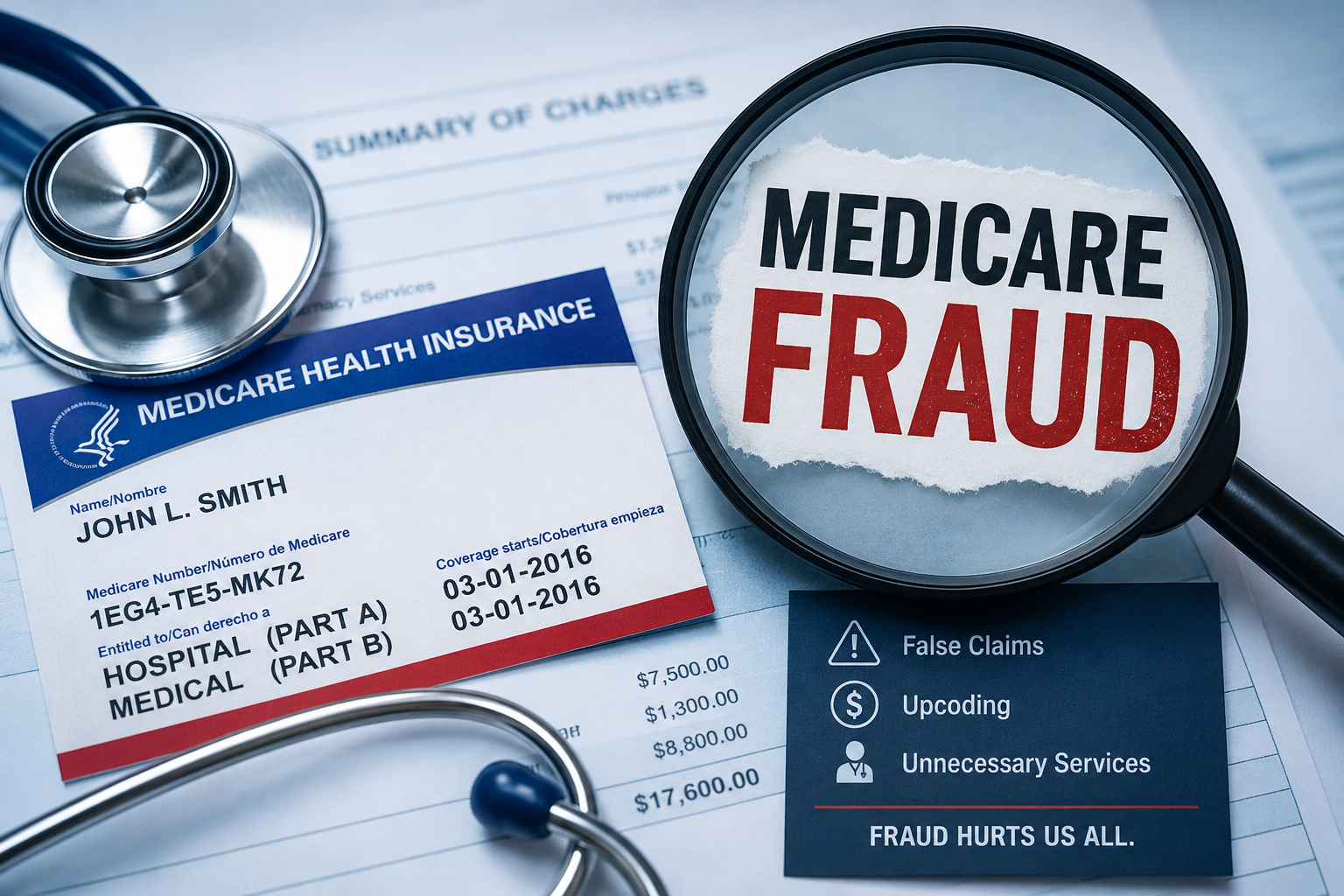
Medicare Fraud Alert: 10 Common Scams Targeting Seniors
Medicare fraud and scams targeting seniors are unfortunately common, costing taxpayers billions of dollars annually and putting beneficiaries at risk for identity theft, financial loss, and healthcare complications. As a Medicare beneficiary, you’re likely a target for various schemes designed to steal your personal information or money.
The criminals behind these scams are sophisticated and constantly evolving their tactics. They may pose as Medicare representatives, healthcare providers, or insurance agents. They often create a sense of urgency or fear to pressure you into providing sensitive information or making quick decisions.
Understanding these scams and knowing how to protect yourself is essential for every Medicare beneficiary. By staying informed and vigilant, you can protect your health, finances, and peace of mind.
Key Takeaways
- Medicare will never call you unsolicited asking for personal information or payment
- Be suspicious of anyone offering “free” medical equipment or services in exchange for your Medicare number
- Never give your Medicare number, Social Security number, or bank information to unsolicited callers
- Review your Medicare Summary Notices regularly to spot fraudulent charges
- Report suspected fraud to Medicare immediately at 1-800-MEDICARE
The 10 Most Common Medicare Scams
1. Free Medical Equipment Scam
How it works: Scammers call offering “free” medical equipment like back braces, diabetic supplies, or mobility devices. They claim Medicare covers the full cost and only need your Medicare number to “verify eligibility.”
Red flags:
- Unsolicited calls about free equipment
- Pressure to provide Medicare number immediately
- Claims that equipment is “limited time” or “while supplies last”
- Requests for Medicare number before explaining what they’re offering
Reality check: Legitimate medical equipment providers require a prescription from your doctor and work through established medical supply companies. Medicare doesn’t approve equipment through cold calls.
2. Fake Medicare Card Replacement
How it works: Scammers claim your Medicare card is expired, invalid, or needs updating due to “new regulations.” They request personal information to “send a replacement card.”
Red flags:
- Claims your Medicare card needs immediate replacement
- Requests for Social Security number, bank information, or payment
- Urgent language about card expiration or deactivation
- Threats that your Medicare will be cancelled without immediate action
Reality check: Medicare cards don’t expire, and legitimate replacement requests are processed through official Medicare channels at no charge.
3. Medicare Advantage Switching Scam
How it works: Scammers pose as Medicare representatives and claim they can enroll you in a “better” Medicare Advantage plan with more benefits. They pressure you to provide personal information or switch plans immediately.
Red flags:
- Cold calls claiming to be from Medicare
- Pressure to switch plans immediately without proper information
- Promises of benefits that sound too good to be true
- Requests for bank account information for “direct deposit of benefits”
Reality check: Medicare doesn’t call beneficiaries to sell plans. Plan changes can only be made during specific enrollment periods with proper documentation.
4. COVID-19 Testing and Treatment Scams
How it works: Scammers offer “free” COVID-19 testing, treatments, or vaccines in exchange for Medicare information. They may claim to be conducting “mandatory” health screenings.
Red flags:
- Unsolicited offers for free COVID-related services
- Door-to-door testing offers
- Claims of “mandatory” government health programs
- Requests for Medicare number for services you didn’t request
Reality check: Legitimate COVID-19 services are available through your healthcare provider or official health departments, not through cold calls or door-to-door visits.
5. Medicare Part D “Refund” Scam
How it works: Scammers claim you’re entitled to a Medicare Part D refund or rebate. They request banking information to “process the direct deposit” or ask for a processing fee to release the funds.
Red flags:
- Unexpected calls about Medicare refunds
- Requests for bank account or credit card information
- Claims about “unclaimed” Medicare benefits
- Demands for upfront fees to process refunds
Reality check: Legitimate Medicare refunds are processed automatically through your Part D plan or Social Security. Medicare doesn’t call about refunds or require fees to process them.
6. Genetic Testing Scam
How it works: Scammers offer “free” genetic testing to determine cancer risk or medication compatibility. They collect DNA samples and bill Medicare for expensive, often unnecessary tests.
Red flags:
- Unsolicited offers for genetic testing
- Claims that testing is “required” by Medicare
- Collection of samples at health fairs, senior centers, or through mail
- Promises to prevent cancer or customize medications based on DNA
Reality check: Genetic testing requires a doctor’s order and medical justification. Medicare doesn’t mandate genetic testing for beneficiaries.
7. Medicare Prescription Discount Card Scam
How it works: Scammers offer “exclusive” Medicare prescription discount cards that provide better prices than your current coverage. They request personal information to “enroll” you in the program.
Red flags:
- Claims of special discount cards not available to the public
- Promises of savings better than your current Part D plan
- Requests for Social Security or Medicare numbers to “activate” cards
- High-pressure sales tactics about limited-time offers
Reality check: Legitimate prescription discount programs are widely available and don’t require your Medicare number. Your Part D plan already provides prescription coverage.
8. Medicare Flex Card Scam
How it works: Scammers claim you’re eligible for a Medicare “flex card” loaded with thousands of dollars for healthcare expenses. They request personal information to “activate” or “qualify” for the card.
Red flags:
- Social media ads or calls about Medicare flex cards
- Claims of $2,500+ loaded on cards for healthcare purchases
- Requests for Social Security or Medicare numbers to qualify
- Promises of cards that can be used for groceries, gas, or non-medical items
Reality check: While some Medicare Advantage plans offer limited spending cards for specific health-related items, the widely advertised “flex cards” are usually scams or misleading marketing.
9. Medicare “Audit” or Investigation Scam
How it works: Scammers claim your Medicare account is under investigation or audit. They threaten to suspend your benefits unless you provide personal information or pay a fine immediately.
Red flags:
- Threatening calls about Medicare investigations
- Demands for immediate payment to avoid benefit suspension
- Claims that your Medicare number is “compromised” or “suspended”
- Pressure to provide Social Security number or bank information
Reality check: Medicare doesn’t conduct investigations through phone calls or demand immediate payments. Legitimate Medicare communications come through official mail.
10. Supplemental Insurance Misrepresentation
How it works: Scammers pose as insurance agents offering Medicare Supplement plans with false promises about coverage or costs. They may forge applications or switch you to inferior plans.
Red flags:
- Door-to-door sales without proper licensing identification
- Promises that sound too good to be true
- Pressure to sign documents immediately
- Reluctance to provide written information about coverage
Reality check: Legitimate insurance agents are licensed, provide detailed written information, and allow time for you to review policies before purchasing.
How to Protect Yourself
Guard Your Personal Information
Never give out:
- Medicare number
- Social Security number
- Bank account or credit card information
- Date of birth
- Address (unless you initiated the contact)
Safe practices:
- Hang up on unsolicited calls
- Don’t answer questions about your health conditions
- Never sign documents under pressure
- Verify any claims independently through official Medicare channels
Verify Before You Trust
Check credentials:
- Ask for licensing information from insurance agents
- Verify company names through state insurance departments
- Look up businesses through Better Business Bureau
- Confirm Medicare communications through 1-800-MEDICARE
Research offers:
- Compare offers to legitimate Medicare benefits
- Search online for complaints about specific companies
- Ask your doctor about medical equipment or services
- Get second opinions on healthcare recommendations
Knowing how to verify credentials is just the first step. For a deeper look at what separates trustworthy advisors from bad actors, read our guide on how to choose a Medicare insurance agent you can actually trust.
Monitor Your Medicare Account
Review regularly:
- Medicare Summary Notices (MSN)
- Part D prescription drug statements
- Bank and credit card statements
- Annual wellness visit summaries
Look for:
- Services you didn’t receive
- Equipment you didn’t order
- Providers you didn’t visit
- Unusual charges or patterns
Red Flags to Remember
Communication Red Flags
- Unsolicited phone calls claiming to be from Medicare
- High-pressure tactics requiring immediate decisions
- Requests for personal information over the phone
- Threats about losing Medicare benefits
- Promises that sound too good to be true
Offer Red Flags
- “Free” equipment or services requiring only your Medicare number
- Claims about “limited time” Medicare programs
- Requests for payment for “free” services
- Door-to-door sales of Medicare products
- Social media ads for Medicare benefits
Urgency Red Flags
- Claims your Medicare card is expired or invalid
- Threats that your benefits will be suspended
- Deadlines that don’t align with official Medicare dates
- Pressure to act immediately without time to think
What to Do If You’re Targeted
If You Receive a Suspicious Call
- Don’t provide any information
- Hang up immediately
- Don’t call back using numbers they provide
- Block the number if possible
- Report the incident to Medicare
If You’ve Been Scammed
Immediate steps:
- Contact your bank or credit card company
- Place fraud alerts on your credit reports
- Change passwords for online accounts
- Document all communications with scammers
Report the fraud:
- Call Medicare at 1-800-MEDICARE
- File complaints with the Federal Trade Commission
- Contact your state insurance department
- Report to local law enforcement if financial loss occurred
If You Suspect Healthcare Fraud
Review your statements carefully:
- Check dates of service
- Verify providers you actually saw
- Question charges for services you didn’t receive
- Look for duplicate charges
Report discrepancies:
- Call the provider first for clarification
- Contact Medicare if charges are fraudulent
- Work with your Medicare plan to resolve issues
- Keep detailed records of all communications
How Medicare Investigates Fraud
Medicare’s Role
Medicare actively investigates fraud through:
- Data analysis to identify suspicious patterns
- Coordination with law enforcement agencies
- Provider audits and investigations
- Beneficiary fraud reporting programs
Your Role
You can help by:
- Reporting suspected fraud promptly
- Providing detailed information about scams
- Keeping records of suspicious contacts
- Staying informed about current fraud schemes
Protection Programs
Medicare has programs to protect beneficiaries:
- Medicare Fraud Strike Force teams
- Senior Medicare Patrol (SMP) volunteers
- Medicare Integrity Program contractors
- Coordination with state and federal agencies
Staying Informed About New Scams
Official Resources
Medicare.gov: Updates about current fraud schemes and protection tips
1-800-MEDICARE: Direct reporting line for fraud and questions
Senior Medicare Patrol: Local volunteers who provide fraud prevention education
Federal Trade Commission: Consumer alerts about Medicare-related scams
Warning Signs of Emerging Scams
- New “benefits” that weren’t previously available
- Technology-related Medicare offers
- Claims about changes to Medicare rules or coverage
- Offers tied to current events or health crises
Creating a Personal Protection Plan
Daily Practices
- Screen unknown phone calls
- Verify unexpected Medicare communications
- Keep personal information secure
- Review financial and Medicare statements regularly
Monthly Reviews
- Check credit reports for unusual activity
- Review Medicare account online
- Update contact information with Medicare
- Share fraud prevention tips with family and friends
Annual Actions
- Review all Medicare coverage during Open Enrollment
- Update emergency contacts and beneficiaries
- Review and improve personal security measures
- Attend fraud prevention workshops if available
Next Steps for Protection
Protecting yourself from Medicare fraud requires ongoing vigilance and education. Here’s what to do:
- Review your current information security practices
- Set up regular monitoring of your Medicare and financial accounts
- Share fraud prevention information with family and friends
- Stay informed about new scam trends through official Medicare communications
- Report any suspicious activity immediately
Remember, Medicare fraud doesn’t just cost money—it can compromise your healthcare and put your personal information at risk. The criminals behind these scams are persistent and creative, but by staying informed and cautious, you can protect yourself and help protect other Medicare beneficiaries.
When in doubt, hang up and call Medicare directly at 1-800-MEDICARE. It’s better to verify a legitimate offer than to become a victim of fraud. Your vigilance helps protect not just yourself, but the entire Medicare system for all beneficiaries.
Not Sure Which Medicare Plan Is Right for You?
Medicare is complicated, but you do not have to figure it out alone. With over 20 years of experience, Karl Bruns-Kyler can help you compare plans, avoid costly mistakes, and find the coverage that fits your needs and budget.
Call (877) 850-0211
Or schedule a free consultation at a time that works for you.
There is never a charge for my services. Your premium is the same whether you work with me or go direct.
Disclaimer: We do not offer every plan available in your area. Currently, we represent 10 organizations that offer 50 products in your area. Please contact Medicare.gov or 1-800-MEDICARE to get information on all of your options.