
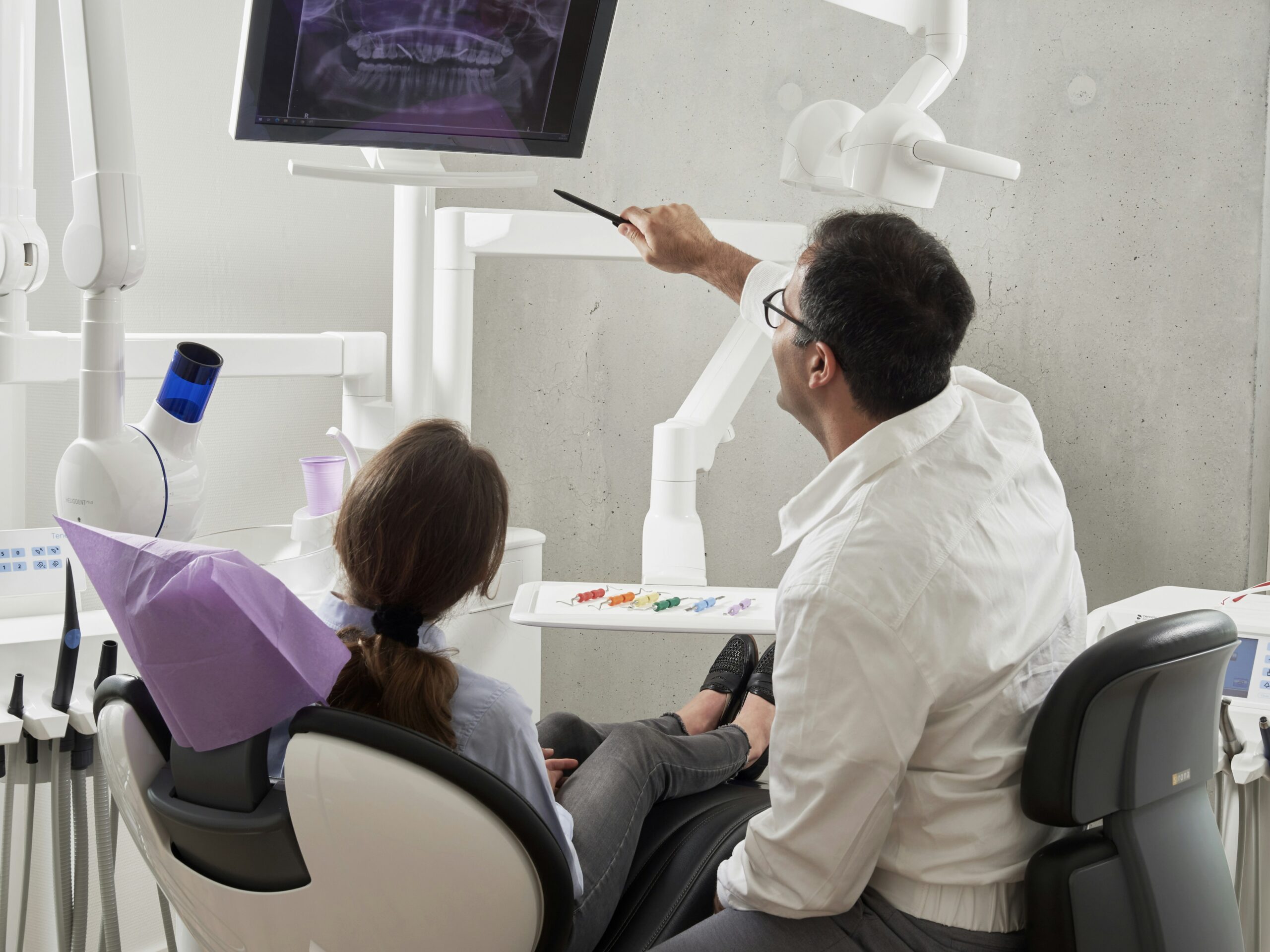
Dental Coverage for Medicare Recipients: Options Beyond Original Medicare
One of the most significant gaps in Medicare coverage is dental care. Original Medicare (Parts A and B) provides very limited dental coverage, leaving many beneficiaries surprised when they discover they’re responsible for the full cost of routine dental care, complex procedures, and even emergency dental treatment.
As we age, dental health becomes increasingly important for overall health and quality of life. Poor dental health is linked to serious conditions like heart disease, diabetes complications, and respiratory infections. Yet many Medicare beneficiaries go without necessary dental care due to cost concerns and lack of coverage.
Understanding your dental coverage options as a Medicare beneficiary can help you maintain your oral health while managing costs effectively. From Medicare Advantage plans to standalone dental insurance, there are several ways to bridge the dental coverage gap.
Key Takeaways
- Original Medicare covers very limited dental services, mainly emergency care in hospital settings
- Medicare Advantage plans often include dental benefits not available through Original Medicare
- Standalone dental insurance is available but may have waiting periods and annual maximums
- Dental discount plans can provide immediate savings without insurance limitations
- Medicaid may provide dental coverage for low-income Medicare beneficiaries
What Original Medicare Covers (and Doesn’t Cover)
Limited Dental Coverage in Original Medicare
Medicare Part A covers:
- Emergency dental care when you’re admitted to a hospital
- Dental services needed for covered medical procedures (jaw surgery, facial trauma)
- Some oral exams before kidney transplant or heart surgery
- Dental services as an inpatient in a hospital setting
Medicare Part B covers:
- Dental services that are part of covered medical procedures
- Oral cancer screenings
- Some dental services needed for medical treatment
- Limited emergency dental care in hospital outpatient settings
What Original Medicare Doesn’t Cover
Routine dental care:
- Regular dental cleanings and checkups
- Routine dental X-rays
- Basic fillings and preventive care
- Fluoride treatments
Major dental procedures:
- Crowns, bridges, and implants
- Root canals and extractions
- Partial and complete dentures
- Orthodontic treatment
Cosmetic dental work:
- Teeth whitening
- Veneers for aesthetic purposes
- Cosmetic orthodontics
- Elective procedures
Medicare Advantage Dental Benefits
Common Dental Benefits in Medicare Advantage Plans
Many Medicare Advantage (Part C) plans include dental coverage as an additional benefit:
Preventive services (often covered at 100%):
- Routine cleanings (typically 2 per year)
- Oral examinations
- Basic X-rays
- Fluoride treatments
Basic services (often 50-80% coverage):
- Fillings
- Simple extractions
- Basic periodontal treatment
- Emergency dental care
Major services (often 50% coverage with waiting periods):
- Crowns and bridges
- Root canals
- Dentures
- Oral surgery
Medicare Advantage Dental Coverage Limitations
Annual maximums: Most plans limit dental benefits to $1,000-$3,000 per year
Waiting periods: Major services often require 6-12 month waiting periods
Network restrictions: Must use plan’s dental provider network
Combined medical/dental deductibles: Some plans combine deductibles, which may increase out-of-pocket costs
Standalone Dental Insurance Options
Individual Dental Insurance Plans
How they work:
- Separate insurance policies specifically for dental care
- Available from various insurance companies
- Operate independently of your Medicare coverage
Typical coverage structure:
- Class I (Preventive): 100% coverage after deductible
- Class II (Basic): 70-80% coverage after deductible
- Class III (Major): 50% coverage after deductible and waiting period
2026 average costs:
- Monthly premiums: $20-$50 for individual coverage
- Annual deductibles: $50-$100
- Annual maximums: $1,000-$2,500
Dental Insurance Through Professional Organizations
AARP Dental Insurance:
- Available to AARP members (age 50+)
- No age restrictions for enrollment
- Nationwide network of dentists
- Annual maximums typically $1,000-$1,500
Professional association plans:
- Available through retired teacher, government employee, and other professional organizations
- Often group rates with better benefits
- May include spouse coverage
- Network and benefit variations by organization
Considerations for Standalone Dental Insurance
Waiting periods:
- Basic services: 3-6 months typically
- Major services: 6-12 months common
- No waiting for preventive care usually
Pre-existing conditions:
- Some plans exclude treatment for conditions present before coverage
- May require dental examination before coverage
- Missing teeth often not covered
Network restrictions:
- Lower costs for in-network providers
- May pay significantly more for out-of-network care
- Limited provider choices in some areas
Dental Discount Plans
How Dental Discount Plans Work
Structure:
- Not insurance, but negotiated discount programs
- Pay annual or monthly membership fees
- Receive discounts on dental services from participating providers
- No claims, deductibles, or annual maximums
Typical savings:
- Preventive care: 10-20% discounts
- Basic procedures: 15-30% discounts
- Major procedures: 20-50% discounts
2026 costs:
- Individual plans: $80-$200 per year
- Family plans: $150-$350 per year
- No deductibles or waiting periods
Benefits of Dental Discount Plans
Immediate benefits: No waiting periods for any services
No exclusions: Pre-existing conditions covered immediately
No claim forms: Pay discounted rate directly to provider
Flexibility: Can change plans or cancel without penalties
Additional services: Often include vision, hearing, and prescription discounts
Limitations of Dental Discount Plans
Variable savings: Discounts depend on provider’s usual fees
Network dependence: Must use participating providers for discounts
No guaranteed coverage: Still pay out-of-pocket, just at discounted rates
Provider availability: Network size varies by location
Medicaid Dental Benefits for Dual Eligibles
Dual Eligible Special Needs Plans (D-SNPs)
Who qualifies:
- Eligible for both Medicare and Medicaid
- Income typically below $1,677/month for individuals (2026)
- Limited resources and assets
Dental benefits often include:
- Comprehensive preventive care
- Basic restorative services
- Some major services depending on state
- Lower or no copays
State Medicaid Dental Coverage
Coverage varies by state:
- Some states provide comprehensive adult dental benefits
- Others limit coverage to emergency services only
- Benefits may include routine cleanings, fillings, and extractions
- Prior authorization often required for major services
Finding coverage:
- Contact your state Medicaid office
- Ask about adult dental benefits in your state
- Understand copay and coverage limitations
- Find participating dental providers
Alternative Strategies for Dental Care
Dental Schools and Training Programs
Reduced-cost care:
- Dental students provide care under supervision
- Significant savings (50-75% typical discounts)
- Longer appointment times required
- Limited availability in some areas
Quality considerations:
- Students supervised by licensed dentists
- Latest techniques and equipment often used
- May take longer than private practice
- Good option for routine and some complex care
Federally Qualified Health Centers (FQHCs)
Sliding fee scale: Costs based on income and family size
Comprehensive services: Often include dental, medical, and behavioral health
Medicare acceptance: Many accept Medicare for covered services
Location: Available in underserved urban and rural areas
Health Savings Accounts (HSAs) and Dental Care
Using HSA funds:
- Dental expenses are qualified medical expenses
- Tax-free withdrawals for dental care
- Includes most dental procedures and treatments
- Can be used for spouse and dependents
Planning strategy:
- Save HSA funds specifically for dental expenses
- Consider dental care timing to maximize HSA benefits
- Keep receipts for all dental expenses
Planning Your Dental Coverage Strategy
Assessing Your Dental Care Needs
Current oral health status:
- Frequency of dental problems
- Existing dental work requiring maintenance
- Risk factors (medications, health conditions affecting oral health)
- Family history of dental problems
Anticipated care needs:
- Routine cleanings and checkups
- Existing dental work needing replacement
- Cosmetic procedures desired
- Emergency care considerations
Cost-Benefit Analysis Framework
Calculate annual dental expenses:
- Routine care costs: cleanings, exams, X-rays
- Anticipated procedures: fillings, crowns, dentures
- Emergency care reserves
- Factor in inflation and aging considerations
Compare coverage options:
- Medicare Advantage with dental vs. Original Medicare + dental plan
- Standalone dental insurance vs. dental discount plans
- Total annual costs including premiums and out-of-pocket expenses
Geographic Considerations
Urban areas:
- More dental provider options
- Competitive pricing
- Better insurance network coverage
- More dental schools and FQHCs available
Rural areas:
- Limited dental provider options
- Potentially higher costs
- Travel considerations for specialty care
- Fewer discount program participants
Special Situations and Considerations
Chronic Health Conditions and Dental Care
Diabetes and dental health:
- Higher risk of gum disease and tooth loss
- More frequent dental care may be needed
- Coordination with medical care important
- Some Medicare Advantage plans offer enhanced dental benefits for diabetics
Heart disease considerations:
- Antibiotic prophylaxis may be needed
- Coordination with cardiologist required
- Potential bleeding issues with blood thinners
- Regular dental care important for overall health
Medication Effects on Oral Health
Dry mouth medications:
- Many common medications cause dry mouth
- Increases risk of dental decay and gum disease
- May require more frequent dental care
- Special oral care products may be needed
Bone density medications:
- Some medications affect jaw bone healing
- May impact dental implant success
- Coordination between dentist and physician important
Long-Term Care and Dental Coverage
Nursing home dental care:
- Original Medicare doesn’t cover routine dental care in nursing homes
- Some Medicare Advantage plans may provide coverage
- Medicaid may cover emergency dental care
- Mobile dental services sometimes available
Home care considerations:
- Maintaining oral hygiene with limited mobility
- Access to dental care for homebound individuals
- Family caregiver education about oral health
- Special equipment and techniques may be needed
Making Your Decision
Questions to Ask When Comparing Options
About dental insurance plans:
- What is the annual maximum benefit?
- Are there waiting periods for the services I need?
- Is my current dentist in the network?
- What percentage of costs are covered for different procedures?
- Are there age limitations or restrictions?
About Medicare Advantage plans:
- What dental services are covered?
- Are there copays for dental services?
- How does the dental coverage affect the overall plan cost?
- Can I see my current dentist?
- What happens if I need care outside the service area?
Red Flags to Avoid
Too good to be true offers:
- Plans promising coverage for all pre-existing dental conditions immediately
- Extremely low premiums with comprehensive coverage
- Door-to-door sales of dental plans
- High-pressure tactics requiring immediate decisions
Plan limitations that may be problematic:
- Very low annual maximums ($500 or less)
- Extremely limited provider networks
- Long waiting periods (more than 12 months)
- High deductibles combined with low annual maximums
Timing Your Dental Coverage Decision
Medicare Open Enrollment Period (October 15 – December 7)
Best time to:
- Switch from Original Medicare to Medicare Advantage with dental
- Change Medicare Advantage plans for better dental benefits
- Compare dental coverage options across different plans
Year-Round Considerations
Standalone dental insurance:
- Can typically enroll any time of year
- Consider timing with anticipated dental needs
- Factor in waiting periods for major procedures
Immediate needs:
- If you need dental care immediately, consider discount plans
- Emergency dental care may be covered by Original Medicare in hospital settings
- Don’t delay urgent dental care due to insurance considerations
Maximizing Your Dental Benefits
Preventive Care Strategy
Use preventive benefits fully:
- Schedule regular cleanings to prevent major problems
- Take advantage of included oral exams and X-rays
- Address small problems before they become major issues
- Maintain good home oral hygiene
Treatment Planning
Coordinate with benefit years:
- Plan major procedures around annual maximum resets
- Spread treatments across calendar years if needed
- Understand waiting periods and plan accordingly
- Get pre-authorization for expensive procedures when required
Provider Selection
Network considerations:
- Verify provider participation before scheduling
- Understand out-of-network costs and limitations
- Consider quality ratings and reviews
- Factor in location and convenience
Next Steps for Better Dental Coverage
Securing appropriate dental coverage as a Medicare beneficiary requires active planning and comparison shopping. Here’s what to do:
- Evaluate your dental care needs and current oral health status
- Research available options including Medicare Advantage, standalone insurance, and discount plans
- Compare total annual costs including premiums, deductibles, and expected out-of-pocket expenses
- Consider your current dentist and whether you want to keep seeing them
- Enroll in coverage that best meets your needs and budget
Remember that dental health is an important part of overall health, especially as you age. Investing in appropriate dental coverage can help you maintain your oral health, prevent serious problems, and manage costs over time.
Don’t let the limitations of Original Medicare leave you without dental coverage. With careful planning and the right coverage choice, you can maintain good oral health throughout your retirement years without breaking your budget.