
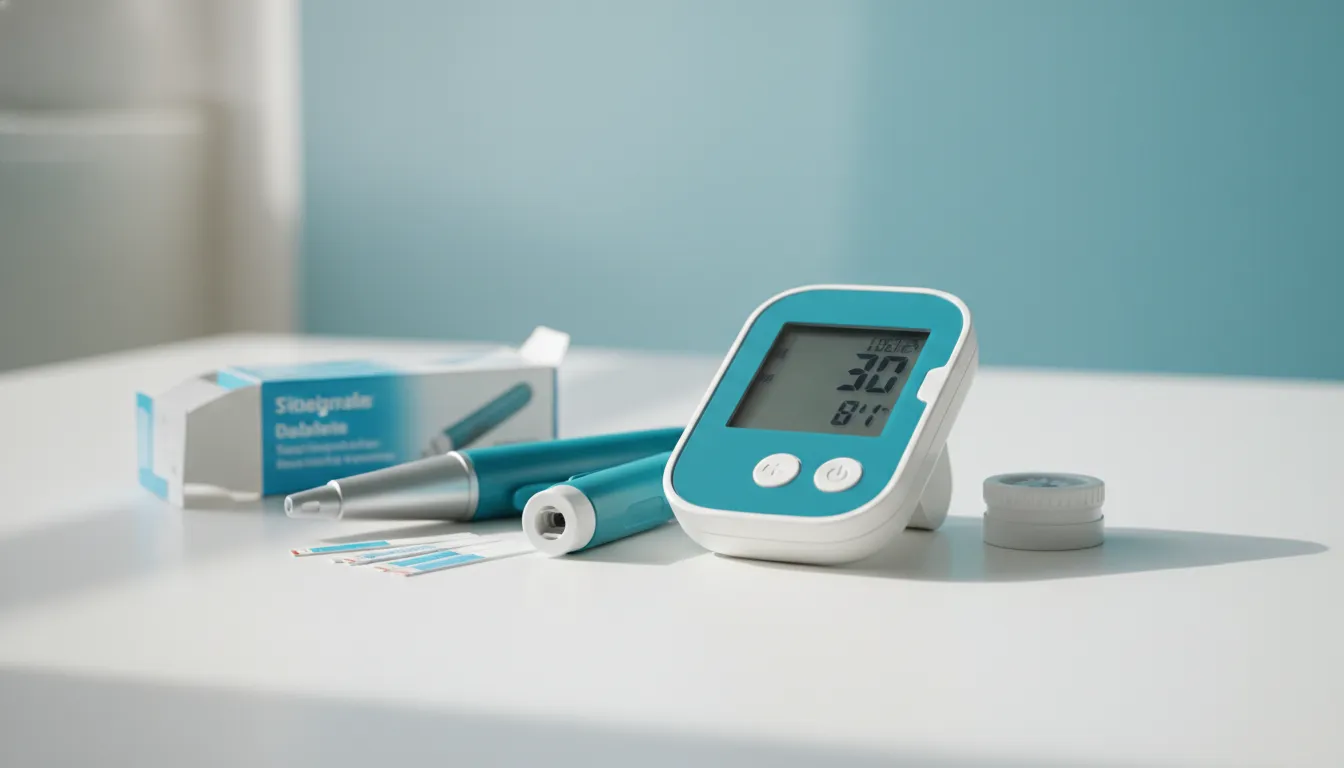
If you have diabetes and are on Medicare, one of the most important questions you can ask is: does Medicare cover diabetes supplies? The short answer is yes. Medicare covers a wide range of diabetes testing supplies, insulin, continuous glucose monitors, and management programs, but which part of Medicare pays depends on the type of supply.
Understanding the difference between Part B and Part D coverage for diabetes supplies can save you hundreds of dollars a year. This guide breaks down exactly what’s covered, what you’ll pay, and how to get the most from your Medicare benefits in 2026.
What Diabetes Supplies Does Medicare Cover?
Medicare covers diabetes supplies through two main programs: Part B (medical insurance) and Part D (prescription drug coverage). Here’s a quick overview of which supplies fall under each part:
| Supply | Covered By | Your Estimated Cost |
|---|---|---|
| Blood glucose monitor | Part B (DME) | 20% after deductible |
| Test strips and lancets | Part B (DME) | 20% after deductible |
| Continuous glucose monitor (CGM) | Part B (DME) | 20% after deductible |
| Insulin pump and pump supplies | Part B (DME) | 20% after deductible |
| Insulin (with a traditional pump) | Part B (DME) | 20% after deductible |
| Insulin (injectable or inhaled) | Part D | $35/month max per product |
| Syringes, needles, alcohol swabs | Part D | Varies by plan |
| Oral diabetes medications | Part D | Varies by plan |
| Non-insulin injectables (e.g., GLP-1s) | Part D | Varies by plan |
Now let’s look at each category in more detail.
Medicare Part B: Diabetes Supplies Covered as DME
Medicare Part B covers diabetes supplies that are classified as durable medical equipment (DME). These are the monitoring tools and devices your doctor prescribes to help you manage your blood sugar at home.
Blood Glucose Monitors and Test Strips
Part B covers one standard blood glucose monitor per year, plus the supplies that go with it:
- Blood glucose test strips (up to 100 per month if you use insulin; up to 100 every 3 months if you don’t)
- Lancets and lancing devices
- Glucose control solutions for calibrating your monitor
To qualify, you need a prescription from your doctor, and you must get supplies from a Medicare-enrolled supplier. After you meet the Part B deductible ($277 in 2026), you pay 20% of the Medicare-approved amount.
Continuous Glucose Monitors (CGMs)
Continuous glucose monitors, like the Dexcom G7 or FreeStyle Libre, are also covered under Part B as DME. CGMs track your blood sugar automatically throughout the day, reducing the need for fingerstick tests.
Medicare covers a CGM and related supplies if:
- You have diabetes and take insulin, or have a history of low blood sugar (hypoglycemia)
- Your doctor prescribes the CGM
- You or your caregiver have been trained on how to use it properly
Your cost is typically 20% of the Medicare-approved amount after the Part B deductible. If you have a Medicare Supplement (Medigap) plan, it may cover the remaining 20%.
Insulin Pumps and Pump Supplies
Part B covers traditional (durable) insulin pumps as DME when they are medically necessary. Coverage includes:
- The insulin pump itself
- Insulin used with the pump
- Pump supplies (infusion sets, reservoirs, batteries)
Note that Part B insulin pump coverage applies to durable pumps, not disposable patch pumps. Disposable or patch-style pumps (changed every 2 to 3 days) may be covered under Part D instead.
Medicare Part D: Insulin and Prescription Supplies
Medicare Part D covers diabetes medications and certain supplies that are dispensed through a pharmacy, rather than through a DME supplier.
The $35 Monthly Insulin Cap
One of the most significant changes for Medicare beneficiaries with diabetes is the $35 monthly cap on insulin costs. Under the Inflation Reduction Act, all Medicare Part D plans must limit your out-of-pocket cost for each covered insulin product to no more than $35 for a one-month supply.
This cap applies to:
- Rapid-acting insulin
- Long-acting insulin
- Intermediate-acting insulin
- Premixed insulin
- Inhaled insulin
The $35 cap applies during every phase of Part D coverage: the deductible phase, the initial coverage phase, and the catastrophic coverage phase. If you order a 3-month supply, you’ll pay no more than $105 total ($35 per month).
This is a major cost savings. Before the cap, many Medicare beneficiaries paid $100 to $300 or more per month for insulin, especially during the coverage gap.
The $2,000 Out-of-Pocket Cap
Starting in 2025, Medicare Part D includes a $2,000 annual out-of-pocket spending cap. Once your total out-of-pocket Part D drug costs reach $2,000, you pay nothing for covered prescriptions for the rest of the year.
For people managing diabetes alongside other health conditions, this cap provides meaningful financial protection. Your insulin costs, oral diabetes medications, and other prescriptions all count toward this $2,000 limit.
Other Diabetes Medications Covered by Part D
Beyond insulin, Part D plans typically cover:
- Metformin and other oral diabetes medications
- GLP-1 receptor agonists prescribed for diabetes management (such as Ozempic, when prescribed for Type 2 diabetes)
- SGLT2 inhibitors (like Jardiance and Farxiga)
- Syringes, needles, and alcohol swabs for insulin injection
Coverage and copays vary by plan, so it’s important to check your plan’s formulary each year to make sure your medications are covered at the best tier.
Medicare Advantage Plans and Diabetes Coverage
If you have a Medicare Advantage plan (Part C), your plan must cover everything Original Medicare covers, including diabetes supplies. Many Medicare Advantage plans also offer extra benefits for people with diabetes, such as:
- Lower copays on diabetes supplies
- Over-the-counter supply allowances (for items like glucose tablets or diabetic socks)
- Meal delivery programs for members with chronic conditions
- Fitness and wellness programs
- Care management and nurse hotlines
Some Medicare Advantage plans are Special Needs Plans (SNPs) designed specifically for people with diabetes and other chronic conditions. These D-SNP and C-SNP plans coordinate your care and may offer benefits tailored to diabetes management.
The $35 monthly insulin cap applies to Medicare Advantage plans with drug coverage, just as it does under standalone Part D plans.
Diabetes Education and Prevention Programs
Medicare covers more than just supplies and medications. Two valuable programs help you manage diabetes more effectively and can reduce long-term complications.
Diabetes Self-Management Training (DSMT)
Medicare Part B covers Diabetes Self-Management Training when your doctor refers you to a certified program. DSMT teaches you how to:
- Monitor your blood glucose effectively
- Manage your diet and nutrition
- Use your diabetes supplies and medications correctly
- Recognize and prevent diabetes-related complications
You’re eligible for up to 10 hours of initial training and 2 hours of follow-up training each year. After the Part B deductible, you pay 20% of the Medicare-approved amount.
Medical Nutrition Therapy (MNT)
If you have diabetes, Medicare Part B also covers medical nutrition therapy. A registered dietitian or nutrition professional will work with you to create a personalized eating plan and help you understand how diet affects your blood sugar.
You’re eligible for 3 hours of MNT in the first year and 2 hours each following year. Your doctor must provide a referral.
Medicare Diabetes Prevention Program (MDPP)
If you have pre-diabetes, you may qualify for the Medicare Diabetes Prevention Program. This is a free, year-long group coaching program designed to help you make lifestyle changes that reduce your risk of developing Type 2 diabetes. The program includes:
- Weekly group sessions (in person or virtual) for the first 6 months
- Monthly sessions for the remaining 6 months
- Coaching on healthy eating, physical activity, and stress management
MDPP is covered at no cost to you, with no deductible or copay.
Preventive Services for People With Diabetes
Medicare covers several preventive services that are especially important for people with diabetes:
- Hemoglobin A1C tests: Covered as part of your regular lab work to monitor blood sugar control
- Diabetic foot exams: One exam every 6 months if you have diabetic peripheral neuropathy and loss of protective sensation
- Therapeutic shoes and inserts: Part B covers one pair of therapeutic shoes and 3 pairs of inserts per year for beneficiaries with diabetes-related foot problems
- Glaucoma screening: Annual screening for people with diabetes, who are at higher risk for glaucoma
- Cardiovascular screening: Blood tests to check cholesterol and lipid levels, important for managing diabetes-related heart risks
- Annual wellness visit: A yearly check-up that includes a review of your diabetes management plan
Most of these preventive services are covered at no cost to you when provided by a Medicare-participating provider.
What Medicare Does Not Cover
While Medicare provides strong coverage for diabetes, there are some gaps to be aware of:
- Over-the-counter supplies: Items like glucose tablets, diabetic socks (unless therapeutic shoes qualify), and OTC pain relief are not covered by Original Medicare (though some Medicare Advantage plans may cover them)
- Non-Medicare-approved monitors: If you choose a glucose monitor that is not on Medicare’s approved list, you may have to pay the full cost
- Weight loss medications for weight management only: Medicare Part D does not cover drugs prescribed solely for weight loss. However, GLP-1 medications like Ozempic are covered when prescribed for Type 2 diabetes management
- Long-term care: Medicare does not cover ongoing custodial care or assisted living
Tips to Maximize Your Diabetes Benefits
Managing diabetes on Medicare doesn’t have to be overwhelming. Here are practical steps to get the most from your coverage:
- Use Medicare-enrolled suppliers. Part B only covers diabetes supplies from suppliers enrolled in Medicare. Using a non-enrolled supplier means you’ll pay the full cost.
- Check your Part D formulary each year. Drug plans change their formulary and pricing annually. During the Annual Election Period (October 15 through December 7), review your plan to make sure your insulin and medications are covered at the best price.
- Ask about Extra Help. If you have limited income, you may qualify for Medicare’s Extra Help program, which can reduce your Part D premiums, deductibles, and copays for diabetes medications.
- Take advantage of DSMT and MNT. These programs are covered by Medicare and can help you better manage your diabetes, potentially reducing your need for supplies and medications over time.
- Talk to a Medicare broker. An independent Medicare broker can help you compare plans and find one that covers your specific insulin, medications, and supplies at the lowest cost, all at no charge to you.
Frequently Asked Questions
Does Medicare cover insulin for Type 2 diabetes?
Yes. Medicare Part D covers all types of insulin for Type 2 diabetes, including rapid-acting, long-acting, and premixed insulin. Your out-of-pocket cost is capped at $35 per month for each covered insulin product. If you use a durable insulin pump, Part B may cover the insulin used with that pump.
How much do diabetes test strips cost with Medicare?
After you meet the Part B deductible ($277 in 2026), you pay 20% of the Medicare-approved amount for test strips from a Medicare-enrolled supplier. If you have a Medigap plan, it may cover the remaining 20%, bringing your cost close to zero.
Does Medicare cover continuous glucose monitors?
Yes. Medicare Part B covers CGMs like the Dexcom G7 and FreeStyle Libre as durable medical equipment. You must have diabetes, take insulin or have a history of hypoglycemia, and have a doctor’s prescription. After the Part B deductible, you pay 20% of the Medicare-approved amount.
Are diabetes supplies covered under Medicare Advantage?
Yes. Medicare Advantage plans must cover all diabetes supplies that Original Medicare covers. Many Advantage plans also offer additional benefits, such as over-the-counter allowances and care management programs for chronic conditions like diabetes.
Does Medicare pay for diabetic shoes?
Yes. Medicare Part B covers one pair of therapeutic shoes and 3 pairs of shoe inserts per calendar year if you have diabetes-related foot problems and your podiatrist or doctor certifies the need. You pay 20% of the Medicare-approved amount after the Part B deductible.
Next Steps
Medicare provides strong coverage for diabetes supplies, insulin, and management programs, but the details matter. The difference between using a Medicare-enrolled supplier and an unapproved one, or choosing the right Part D plan during open enrollment, can mean hundreds of dollars saved each year.
If you’re managing diabetes and want help finding the Medicare plan that best covers your supplies and medications, The Big 65 can help. As an independent Medicare broker licensed in 33 states, we compare plans from multiple insurance carriers to find the right fit for your needs, at no cost to you.
Contact The Big 65 today to schedule a free, no-obligation consultation and get personalized guidance on your Medicare diabetes coverage.
Not Sure Which Medicare Plan Is Right for You?
Medicare is complicated, but you do not have to figure it out alone. With over 20 years of experience, Karl Bruns-Kyler can help you compare plans, avoid costly mistakes, and find the coverage that fits your needs and budget.
Call (877) 850-0211
Or schedule a free consultation at a time that works for you.
There is never a charge for my services. Your premium is the same whether you work with me or go direct.
Disclaimer: We do not offer every plan available in your area. Currently, we represent 10 organizations that offer 50 products in your area. Please contact Medicare.gov or 1-800-MEDICARE to get information on all of your options.