

Key Takeaways
- You apply for Medicare through Social Security, not Medicare itself. Enroll online at ssa.gov/medicare/sign-up, by calling 1-800-772-1213, or in person at your local Social Security office.
- Start 3 months before you turn 65 during your Initial Enrollment Period (IEP) to avoid coverage gaps and late enrollment penalties that last for life.
- Have your documents ready. You’ll need your Social Security number, proof of citizenship, and employment or health insurance details to complete the Medicare application.
- The online application takes about 10 to 30 minutes and is the fastest, most convenient way to sign up for Medicare.
Figuring out how to apply for Medicare can feel overwhelming, especially when the federal government doesn’t send you a reminder that it’s time to sign up. Many people approaching 65 don’t realize they need to take action, or they’re unsure where to start. The good news: once you know the steps, the Medicare application process is straightforward.
Need help with your Medicare application? Talk to a licensed Medicare advisor at The Big 65 today.
This guide walks you through exactly how to sign up for Medicare in 2026, covering each application method, enrollment timelines, documents you’ll need, and common mistakes to avoid. Whether you’re turning 65 soon or helping a parent navigate the process, you’ll find clear answers here.
“The number one mistake I see is people waiting too long to apply,” says Karl Bruns-Kyler, founder of The Big 65 and a licensed Medicare advisor with over 20 years of experience. “Your Initial Enrollment Period doesn’t wait for you, and the penalties for missing it last forever.”
Who Needs to Apply for Medicare?
Not everyone has to actively apply. Understanding whether you need to take action is your first step.
Automatic Enrollment
If you’re already receiving Social Security benefits or Railroad Retirement Board (RRB) benefits at least four months before turning 65, you’ll be automatically enrolled in Medicare Parts A and B. Your Medicare card will arrive in the mail about three months before your 65th birthday. No application is needed.
People who receive Social Security Disability Insurance (SSDI) for 24 months are also automatically enrolled. You’ll get your Medicare card in the mail before your 25th month of disability benefits.
You Must Apply If:
- You are not yet receiving Social Security benefits when you turn 65 (for example, you’re still working and haven’t filed for retirement benefits)
- You want Part A only and plan to delay Part B because you have employer coverage through a company with 20 or more employees
- You qualify for Medicare due to a disability or End-Stage Renal Disease (ESRD) and were not automatically enrolled
- You’re enrolling during a Special Enrollment Period (SEP) after losing employer coverage
- You’re 65 or older and becoming a U.S. citizen or permanent resident for the first time
When to Apply: Medicare Enrollment Periods
Timing is critical when you apply for Medicare. When you enroll determines when your coverage starts and whether you’ll face penalties. Here are the three main enrollment windows:
Initial Enrollment Period (IEP)
This is the most important enrollment window for most people. Your IEP is a 7-month window centered around the month you turn 65:
| Timeframe | When to Apply | Coverage Starts |
|---|---|---|
| 3 months before birthday month | Best time to apply | The 1st of your birthday month |
| Birthday month | Still within IEP | 1 month after enrollment |
| 1 to 3 months after birthday month | Still within IEP | 1 to 3 months after enrollment |
Pro tip: Apply during the first three months of your IEP so your coverage starts on the first day of your birthday month with no gap.
Special Enrollment Period (SEP)
If you delayed Medicare because you (or your spouse) had coverage through a current employer with 20 or more employees, you qualify for a SEP. You have 8 months after losing that employer coverage (or stopping work, whichever comes first) to sign up for Medicare without penalty.
Important: COBRA coverage and retiree health plans do not qualify for a SEP. Only active employer group coverage counts. Learn more about balancing employer insurance and Medicare.
General Enrollment Period (GEP)
If you missed your IEP and don’t qualify for a SEP, you can sign up during the GEP, which runs January 1 through March 31 each year. Coverage begins on July 1. You will likely face late enrollment penalties.
For a complete breakdown of every enrollment window and what you can change in each, see our guide to Medicare enrollment periods.
3 Ways to Apply for Medicare
The Social Security Administration (SSA) handles all Medicare enrollment for Parts A and B. Here are your three options to submit a Medicare application:

1. Apply Online at SSA.gov (Recommended)
The fastest and most convenient method to apply for Medicare online. The application takes 10 to 30 minutes and is available 24/7.
Step-by-step online application process:
- Go to ssa.gov/medicare/sign-up
- Select “Apply online”
- Review and accept the Terms of Service
- Select “Start a new application”
- Sign in to your my Social Security account (or create one using Login.gov or ID.me)
- Choose whether you want Medicare only or Medicare and retirement benefits
- Select Parts A and B, or Part A only if you’re delaying Part B due to employer coverage
- Enter your personal details: name, Social Security number, date of birth, address
- Complete questions about employment history and current health insurance coverage
- Review everything for accuracy, then submit
- Save or print your confirmation number and application receipt
You can save your progress and return later if needed. The application is mobile-friendly, so you can complete it from a phone or tablet.
2. Apply by Phone
Call Social Security at 1-800-772-1213 (TTY: 1-800-325-0778). Representatives are available Monday through Friday, 8 a.m. to 7 p.m. in your local time zone. The call typically takes 20 to 45 minutes.
This option works well if you prefer verbal guidance or have questions during the process. Be ready with the same documents you’d need for the online application. Wait times tend to be shorter early in the morning and later in the week.
3. Apply In Person at a Social Security Office
Visit your local Social Security office. You can schedule an appointment online or by calling 1-800-772-1213. Walk-ins are accepted but may involve longer wait times.
In-person visits are best for complex situations, such as ESRD enrollment, disability-based eligibility, or if you need help understanding your options.
| Method | Time Required | Availability | Best For |
|---|---|---|---|
| Online (ssa.gov) | 10–30 minutes | 24/7 | Most people; fastest and most convenient |
| Phone (1-800-772-1213) | 20–45 minutes | Mon–Fri, 8am–7pm | People who prefer verbal guidance |
| In person (SSA office) | Varies | By appointment or walk-in | Complex cases; those needing personal assistance |
Documents and Information You’ll Need
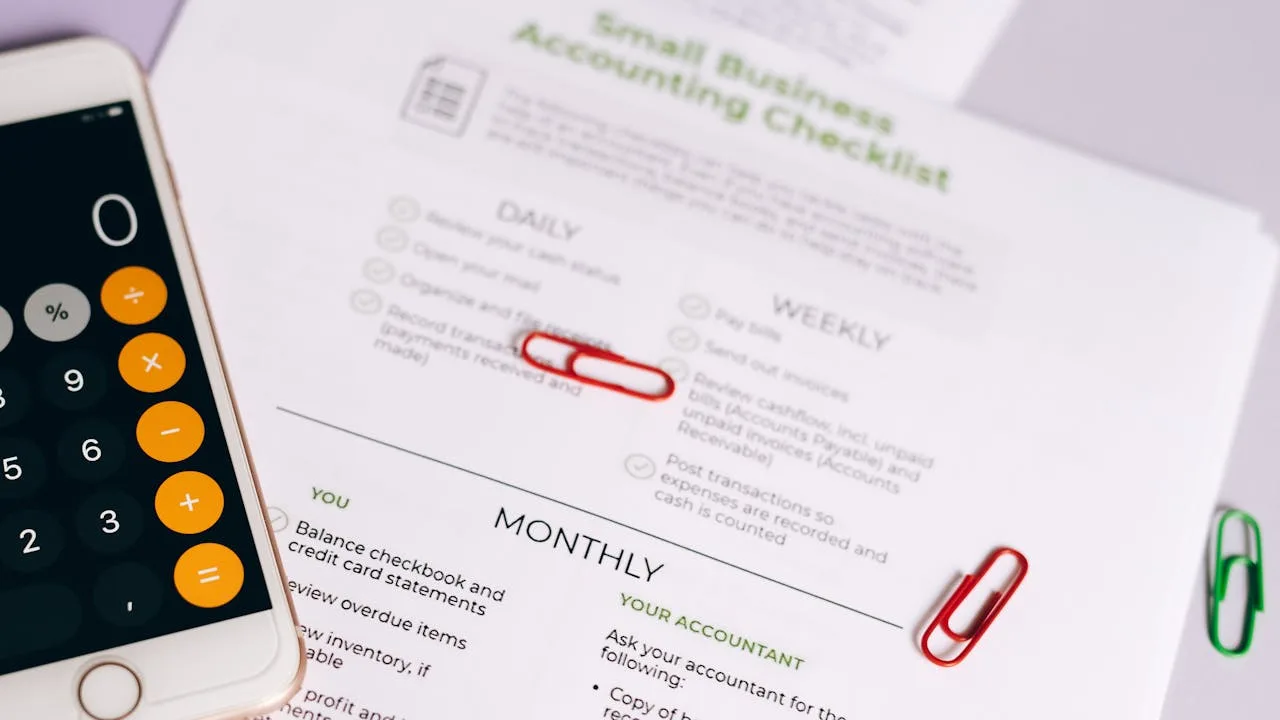
Before you start your Medicare application, gather these items to avoid delays:
Required for Everyone
- Social Security number
- Date of birth and proof of age (birth certificate or passport)
- U.S. citizenship or permanent residency documentation
- Current mailing address and contact information
- Email address (needed for creating a my Social Security account)
If You Have or Had Employer Coverage
- Employer name, address, and dates of coverage
- Group health plan information
- CMS-L564 form (Request for Employment Information) — your employer’s HR department fills this out
- CMS-40B form (Application for Enrollment in Medicare Part B) — needed for SEP enrollment
Additional Information That May Be Requested
- Work history (employers and self-employment)
- Military service dates (if applicable)
- Spouse’s Social Security number (if applying through their work record)
- Banking information for direct deposit if enrolling in retirement benefits simultaneously
Tip: Gather everything before you start. Having documents ready can reduce your online application time from 30 minutes to under 15 minutes.
Applying for Specific Parts of Medicare
Part A and Part B (Original Medicare)
Most people should enroll in both Parts A and B when they first become eligible. Part A covers hospital and inpatient care (premium-free for most people with 40+ work credits). Part B covers doctor visits, outpatient services, and preventive care (standard premium of $202.90/month in 2026).
Apply through Social Security using any of the three methods above. If you only want Part A, you can choose that option during the application. You can always enroll in Part B later during a valid enrollment period.
Part D (Prescription Drug Coverage)
Part D is not part of the Social Security application. After enrolling in Parts A and B, you enroll in a standalone Part D plan through Medicare.gov or by contacting a plan directly. Learn more in our complete guide to Medicare Part D prescription drug plans.
Medicare Advantage (Part C)
Medicare Advantage plans are offered by private insurance companies and replace Original Medicare. You must be enrolled in Parts A and B first. Then enroll in a Medicare Advantage plan through Medicare.gov, directly through an insurer, or with help from a licensed agent. Read our Medicare Advantage plan guide for a full comparison.
Medigap (Medicare Supplement Insurance)
If you choose Original Medicare, a Medigap policy can help cover costs like deductibles, copayments, and coinsurance. The best time to buy Medigap is during your 6-month Medigap Open Enrollment Period, which starts the month your Part B begins. During this window, insurers cannot deny you coverage or charge more due to health conditions.
Popular plans include Medicare Supplement Plan G and Plan N. See our full Medicare Supplement (Medigap) plans guide or find out if you need a Medicare Supplement. For a full breakdown of costs, see our Medicare premiums and costs for 2026 guide.
What Happens After You Apply
Once you submit your Medicare application, here’s what to expect:
- Confirmation: After submitting your application, you’ll receive a confirmation number (online) or verbal confirmation (phone/in-person). Save this for your records.
- Processing time: Applications typically take a few weeks to process. You can check status online at ssa.gov or by calling 1-800-772-1213.
- Medicare card arrives: Your red, white, and blue Medicare card will arrive by mail, usually within 2 to 4 weeks after approval. It shows your Medicare number and coverage start date.
- Choose additional coverage: Once enrolled in Parts A and B, decide whether to add a Medigap supplement, a Medicare Advantage plan, or a Part D drug plan.
- Set up your Medicare.gov account: Create an account at Medicare.gov to manage your coverage, check claims, and compare plans in your area.
Late Enrollment Penalties: What You Risk by Waiting
Missing your enrollment window can cost you for life. These penalties are permanent and added to your monthly premiums as long as you have Medicare.
Part B Late Enrollment Penalty
If you don’t sign up for Part B when you’re first eligible and don’t qualify for a SEP, you’ll pay a penalty of 10% of the standard Part B premium for every 12-month period you were eligible but didn’t enroll.
Example: If you were eligible for 2 years but didn’t enroll, your 2026 Part B premium would increase from $202.90 to approximately $243.48 per month, every month, for life.
Part D Late Enrollment Penalty
If you go 63 or more continuous days without creditable prescription drug coverage, you’ll pay a penalty of 1% of the national base beneficiary premium ($36.78 in 2026) multiplied by the number of months you went without coverage.
For more details on premiums, deductibles, and out-of-pocket costs, see our complete guide to Medicare premiums and costs in 2026.
Common Medicare Application Mistakes to Avoid
- Assuming you’ll be enrolled automatically. If you’re not receiving Social Security benefits, you must apply yourself. Don’t wait for a notice that may never come.
- Confusing Medicare.gov with ssa.gov. You apply for Parts A and B through Social Security (ssa.gov), not Medicare’s website. Medicare.gov is for plan shopping after enrollment.
- Thinking COBRA counts as employer coverage. COBRA and retiree plans do not qualify you for a Special Enrollment Period. Only active employer group coverage counts.
- Missing the 8-month SEP window. After losing employer coverage, your SEP clock starts ticking immediately. Don’t wait until the next General Enrollment Period.
- Not getting employer forms in advance. If you’re using a SEP, get your employer to complete form CMS-L564 before your last day of work. Chasing paperwork after leaving is harder.
- Delaying Part B without qualifying coverage. Only active employer coverage through a company with 20+ employees justifies delaying Part B. If your employer has fewer than 20 employees, Medicare is likely primary, and you should enroll on time.
- Forgetting about Part D. Even if you don’t take medications now, going without creditable drug coverage creates a penalty that grows each year. Enroll in at least a low-cost Part D plan to avoid this.
- Not signing up for Part A when it’s free. Even if you’re still working and keeping employer coverage, you should sign up for premium-free Part A at 65. There’s no cost and no downside (unless you’re contributing to an HSA).
Have questions about applying for Medicare? Get free, personalized guidance from The Big 65.
Frequently Asked Questions
How do I sign up for Medicare when I turn 65?
Apply through Social Security online at ssa.gov/medicare/sign-up, by calling 1-800-772-1213, or by visiting your local Social Security office. The online application is fastest, taking 10 to 30 minutes. Apply during your Initial Enrollment Period, which begins 3 months before your 65th birthday month.
Can I apply for Medicare online?
Yes. Visit ssa.gov/medicare/sign-up to apply online. You’ll need a my Social Security account (created through Login.gov or ID.me), your Social Security number, and basic personal information. The process takes about 10 to 30 minutes and is available 24/7.
How early can I apply for Medicare before I turn 65?
You can apply up to 3 months before the month you turn 65. This is the start of your Initial Enrollment Period. Applying early ensures your coverage begins on the first day of your birthday month with no gap.
What happens if I miss my Medicare enrollment period?
If you miss your Initial Enrollment Period and don’t qualify for a Special Enrollment Period, you’ll have to wait for the General Enrollment Period (January 1 through March 31). Your coverage won’t start until July 1, and you may face a permanent late enrollment penalty of 10% per year for Part B.
Do I need to apply for Medicare if I’m still working at 65?
It depends on your employer’s size. If your employer has 20 or more employees and you’re covered under their group health plan, you can delay Medicare Part B enrollment without penalty. When that coverage ends, you’ll have an 8-month Special Enrollment Period. If your employer has fewer than 20 employees, you should enroll in Medicare on time because Medicare becomes your primary insurance.
Is Medicare Part A free?
For most people, yes. If you or your spouse paid Medicare taxes for at least 10 years (40 work credits), you pay $0 for Part A. If you don’t have enough work credits, you may pay up to $505 per month in 2026.
How long does it take to get my Medicare card after applying?
Medicare cards typically arrive by mail within 2 to 4 weeks after your application is approved. If your coverage start date is in the future, your card may arrive closer to that date. You can check your application status online at ssa.gov.
How much does it cost to apply for Medicare?
There is no fee to apply for Medicare. The application itself is free whether you apply online, by phone, or in person. However, once enrolled, you’ll pay monthly premiums for Part B ($202.90/month standard in 2026) and any additional coverage you choose. Most people pay $0 for Part A. See our complete guide to Medicare costs for 2026.
Get Expert Help with Your Medicare Application
Applying for Medicare is just the first step. The real decisions come after: choosing between Original Medicare and Medicare Advantage, selecting the right Medigap plan, and finding affordable prescription drug coverage. These choices affect your healthcare costs and options for years to come.
Karl Bruns-Kyler and the team at The Big 65 have helped thousands of beneficiaries make confident Medicare decisions across 33 states. As independent advisors, we’re not tied to any single insurance company, so our guidance is based on what’s right for you. Understand the difference between Medicare and Medicaid to make the right choice.
Contact The Big 65 to get personalized, no-obligation help with your Medicare enrollment and plan selection.