
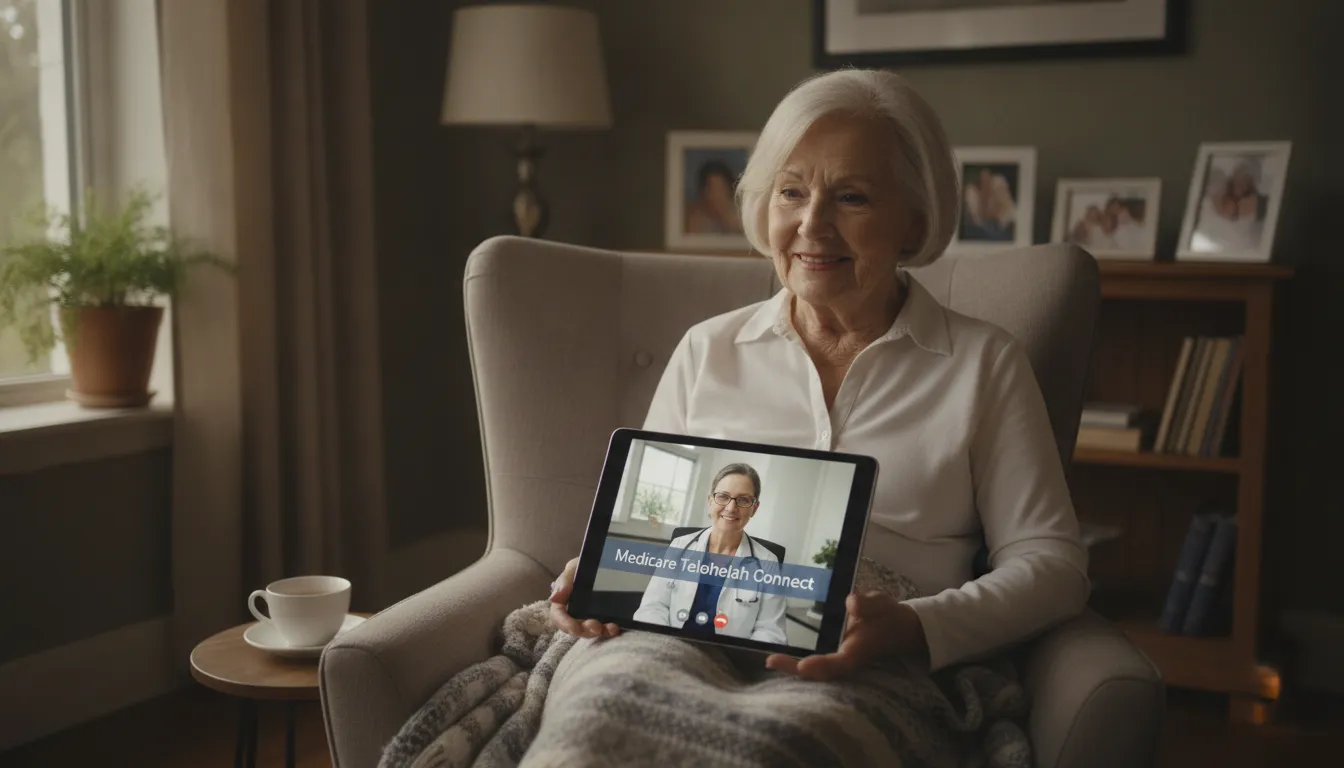
Medicare telehealth rules just received a major two-year extension through 2027. You can now get medical help from your own living room without leaving the house. The Big 65 Medicare Insurance Services can help you understand these changes and find the right telehealth coverage for your needs. Schedule a free consultation with The Big 65 today to review your Medicare telehealth options.
Medicare telehealth coverage 2026 remains stable because Congress recently extended the current rules through December 2027, so you can see your doctor from home. This extension allows you to use your phone or computer to talk to your doctor or mental health specialist without a long office trip. According to KFF, you do not need to live in a rural area to get these benefits or use video tools. These rules apply to both Original Medicare and Medicare Advantage plans for mental health, primary care, and even physical therapy remote visits. This extension helps millions of seniors get care without the stress of travel or the long waits often found at a busy local clinic.
Many seniors are asking how these new rules will affect their specific health care plans and costs next year. You might wonder if you will need new equipment or if your current doctors will still participate. The answer to the question Is Medicare Telehealth Coverage Changing in 2026? starts with understanding the recent laws. Here is how.
Medicare Telehealth Coverage 2026: Is Medicare Telehealth Coverage Changing in 2026?
You may have heard that the rules for Medicare telehealth coverage were set to end soon. Many people worry that they will lose the chance to see their doctor from home. The good news is that there are no major cuts to telehealth benefits in 2026. While the temporary rules from the pandemic were due to end in January, new laws have kept these options in place for now.
The 2026 extension of telehealth rules
The flexibilities that grew during the COVID-19 pandemic were set to expire on January 30, 2026. However, Congress took action to protect these services. On February 3, 2026, the Consolidated Appropriations Act of 2026 was passed. This law kept the current telehealth rules through December 31, 2027. This means you can keep using your phone or computer to talk to your doctors for the next two years.
Because of this law, the way you use Medicare has not changed this year. You still have access to the same virtual visits you used last year. This extension gives you peace of mind as you manage your health. It also helps you stay connected to your doctors without the stress of travel. You can learn more about how these rules fit into your plan by looking at the differences between Original Medicare and Medicare Advantage in 2026 and how each handles telehealth differently.
How telehealth worked before the pandemic
To see why this law matters, it helps to look at the old rules. Before the pandemic, Medicare telehealth was very limited. Most people could not get these services from their own homes. Instead, patients had to live in a rural area to qualify. Even then, they usually had to travel to a local clinic to use a video link to talk to a specialist in a different city.
Today, those old rules are gone for now. You no longer have to live in a rural town to use telehealth. You can also get care from your living room instead of driving to a clinic. These changes have made it much easier for many people to get care. According to medicareresources.org, nearly half of all people on Original Medicare used telehealth in 2020. Keeping these rules in place helps ensure that you can reach your doctor with ease. For a complete overview of how Medicare works, read What Is Medicare? A Complete Beginner’s Guide for 2026.
What Telehealth Services Does Medicare Cover in 2026?
Medicare now covers a wide range of health services through remote visits. The way people get care changed fast in the last few years. According to data from CMS.gov, about 48 percent of people with Original Medicare used telehealth in 2020. This was a huge jump from the 840,000 visits seen before the pandemic. By the end of 2020, that number grew to 52.7 million visits. This 63-fold increase showed that remote care works for many seniors. Because of this success, the government keeps growing what you can do from home.

Common medical visits and talks
You can use telehealth for many of your basic health needs. This includes routine office visits with your main doctor or a specialist. You do not need to leave your house for a quick check-up or to talk about new symptoms. Medicare also pays for mental health care and depression screenings. These services help you stay on top of your mood and brain health. You can also get brain tests to check for memory loss. Many seniors use these visits to plan for their future health care needs.
Remote care is also helpful for managing long-term health issues. If you have diabetes, you can get help with meal plans and self-care. Doctors can also give you food therapy through a video or phone call. This makes it easier to stay healthy without driving to a clinic every week. Some other common services covered by Medicare telehealth coverage include:
- Tests for memory loss and brain health.
- Planning for your future medical needs.
- Training for your family members on how to help you.
- Help with routine screenings and wellness checks.
These services are key to living on your own as you age.
Therapy and rehab from home
Medicare has made big changes to help you get therapy at home. In the past, you had to go to a clinic for most rehab. Now, you can get heart and lung rehab through a screen. This helps your heart and lungs get strong after a surgery or illness. You can also get speech therapy if you have trouble speaking or swallowing. Your therapist can guide you through moves and watch your progress. This saves you time and keeps you safe from germs in a waiting room.
For 2026, CMS has removed the old names for these services. They used to call some services “provisional” or “permanent.” Those names are now gone. This means these benefits are more stable for you. You do not have to worry as much about them going away soon. Most of these rules now last through the end of 2027. This gives you a clear path for your care plan. It also helps you decide how Medicare Advantage differs from Original Medicare when it comes to extra help. You can also compare Medicare Advantage 2026 plan options to find telehealth-friendly coverage.
New health experts for 2026
The list of people who can give you remote care is growing. Medicare has added more types of experts to the telehealth list. You can now see occupational therapists and physical therapists from home. They can help you with safety in your living space. Speech-language pathologists and audiologists are also on the list. If you have hearing or balance issues, you can talk to an expert online. They can help you with your hearing aids or give you tests from a distance.
This change makes it easier to find the right help. You are no longer limited to just doctors and nurses. This is useful if you live in a rural area or have trouble moving. You can connect with top experts without a long car ride. These new rules help make sure that every senior gets the care they need. Whether you need help with a new hip or a hearing test, remote care is a strong option. It is part of a plan to make health care more simple for everyone.
Audio-Only vs. Video Visits: What You Need to Know
Medicare changed the rules to make home care easy. In the past, you needed a video link to see your doctor. Now, you can just call. This help is vital for those without fast web access. Knowing how phone and video visits work will help you plan your next check-up. The Big 65 Medicare Insurance Services can answer your questions about what kind of visit is right for your situation.
Coverage for Phone Visits
Through the end of 2027, Medicare pays for phone visits for most health needs. This means you can talk to your doctor without a camera. You do not need a video tool to get care for many common needs. These phone calls are a big part of Medicare telehealth coverage in 2026. This helps make sure all people can stay in touch with their doctors. Using a home phone or cell phone is often enough to meet with your team.
Why Phone Visits Matter
Many seniors live in areas where the web is slow or costs too much. Some people do not feel at ease with new video tools. Phone visits solve these problems by using a tool most people already own. You do not need to buy a new tablet or pay for a data plan to see your doctor. Based on the latest CMS rules, these phone visits are a valid way to get care. This makes care more fair for everyone with Medicare.
Telehealth for Mental Health
The rules for mental health care are even better. Medicare now allows phone visits for therapy for good. You can get this care from your own home no matter where you live. There is no need to see a doctor in person before you start telehealth therapy or counseling. This fix helps make sure mental health support stays open to those who need it. You can get help without a video setup. For more about how Medicare covers mental health services, read the Medicare enrollment periods guide to understand when you can change plans.
Services You Can Get by Phone
You might be surprised by how many things your doctor can do over the phone. You can have a check-up for a long-term illness like diabetes. Your doctor can also talk to you about your diet or how to manage your heart health. If you have a new pain or a small health worry, a quick call can give you peace of mind. Doctors can also check for mood changes or memory loss. These visits save you from a long drive and a wait in a cold room.
How Rules Have Changed
Before the health crisis, Medicare had very hard rules for telehealth. All visits had to use both sound and video. Also, people had to travel to a clinic to use the tool. Today, those old rules are gone for most care through 2027. You can use Medicare Supplement (Medigap) plans to help pay for these visits. These new rules focus on making care fit your life. You no longer have to travel for a basic talk with your doctor.
Mental Health and Behavioral Health Through Telehealth
Medicare has made big changes to how you get mental health care. These updates make it much easier to talk to a doctor or therapist from your own home. For many people, this is now a lasting part of their health plan. You no longer have to worry about long trips to an office when you need support. The Big 65 helps seniors find plans that cover the mental health services they need.
Permanent access to care from home
Medicare now lets you receive mental health care from your home no matter where you live. In the past, you often had to go to a clinic or be in a rural area to use these tools. Now, those old rules have changed for good. You can get care in a big city or a small town. This change helps people who find it hard to drive or find a ride to a doctor’s office.
These rules for mental health are stronger than the rules for physical health. While many telehealth rules will end in 2027, the home-based care for mental health is here to stay. You do not need to live in a rural spot to qualify. You also do not need to go to a special site to start your visit. This lasting status gives you peace of mind. As shown by the real Medicare coverage rules, you can use a phone or a computer for these visits.
A vital tool for seniors
Many seniors face hurdles that make it hard to see a provider in person. Movement issues can make a trip to the office feel like a long journey. Also, many older adults feel lonely or cut off from others. High rates of depression in seniors make quick access to care needed. Telehealth helps bridge this gap by bringing the expert to you through a screen or a phone line.
The demand for these services is high. Data shows that about 48% of Medicare members used telehealth during the peak of the pandemic. Today, use stays nearly twice as high as it was before the pandemic. Understanding your Medicare costs in 2026 can help you budget for telehealth visits and other medical expenses.
This massive jump shows that seniors are ready to use new tools for their health. This is true whether they use Original Medicare or a private plan. You can learn how Medicare Advantage differs from Original Medicare if you want more plan options.
What services are covered?
You can use telehealth for many types of care. These services help you stay on top of your well-being. They make it simple to get the help you need when you need it most. Covered services include:
- Talk therapy and counseling
- Visits with a psychiatrist
- Screenings for depression
- Treatment for substance use
- Mental tests and checks
One great plus is that you can often start care without an in-person visit first. You can meet your new therapist for the first time on a screen. You can also use phone calls for mental health if you do not have a web camera. This makes sure that everyone can get help, even if they do not have fast internet or a computer. These flexible rules make mental health care more fair for all seniors. It allows you to focus on your health rather than on the stress of travel.
Telehealth Across Plan Types: Original Medicare, Medicare Advantage, and Medigap
How you get telehealth depends on which Medicare path you choose. While the government sets the base rules, different plans can add more help. Telehealth use stays high today. People use it at nearly twice the rate seen before the pandemic according to KFF data. This growth has helped many people get care from home. The Big 65 can help you compare plans and find the right telehealth coverage for your situation.
Coverage under Original Medicare
Original Medicare is the basic federal program. It now covers telehealth through at least the end of 2027. You can talk to your doctor using video or just a phone. There are no rules about where you must live to use these tools. You can be in a big city or a small town and still see your provider online.
The list of people who can give this care has grown. Along with doctors, you can now see physical therapists and audiologists through a screen. Occupational therapists and speech-language pathologists also offer these visits. This makes it easier to get the therapy you need without a long drive.
Medicare Advantage and extra help
Medicare Advantage plans are another way to get your benefits. These private plans must cover the same things as Original Medicare. But they often go further by offering more ways to see a doctor. Some plans have their own 24/7 nurse lines or special apps for quick care. However, as noted in The Big 65’s Medicare Advantage 2026 overview, telehealth access in Advantage plans has dropped from 74% to 53% of plans, so it is important to check plan details carefully. You can compare Medicare Advantage plans to see which ones offer the best digital tools for your health needs.
Costs and rules can vary by plan. Some might ask you to use a specific group of doctors for telehealth. Others might need you to get a “prior authorization” before your visit. It is smart to check your plan’s rule book each year. This helps you know exactly what you will pay for an online visit.
How Medigap helps with costs
Medigap plans do not cover telehealth on their own. Instead, they help pay for the costs left over by Original Medicare. When you use telehealth, you usually owe a 20% co-pay. A Medicare Supplement (Medigap) plan can pay that 20% for you. This helps keep your out-of-pocket costs low and easy to predict. For a full comparison, see the best Medicare Supplement plans for 2026.
| Plan Type | Telehealth Coverage | Extra Help | Costs |
|---|---|---|---|
| Original Medicare | Covers many services through 2027 | Standard federal benefits only | You pay 20% after deductible |
| Medicare Advantage | Must match Original Medicare | Often includes 24/7 nurse lines | Varies by plan and provider |
| Medigap (Supplements) | Does not cover directly | None | Pays your 20% co-insurance |
Choosing the right plan depends on how you like to see your doctor. If you use telehealth often, you may want a plan with low co-pays or extra digital perks. To learn more about your options, you can read about Original Medicare vs Medicare Advantage for 2026. This comparison can help you find the best fit for your budget and lifestyle. The Big 65 Medicare Insurance Services offers free guidance to help you compare plans and find the right telehealth coverage at no cost to you.
Quick-Reference Checklist for Medicare Telehealth in 2026
Medicare telehealth rules have stayed the same for 2026. Most people can still see their doctors from home. This includes main care visits, mental health care, and diabetes care. You can find a full list of covered services at Medicare.gov. Use this checklist to get ready for your next remote visit. If you are new to Medicare, start with The Big 65’s turning 65 Medicare enrollment guide to understand your options.
Setting Up Your Appointment
The first step is to call your doctor. Not every doctor offers remote visits. Some doctors only use telehealth for certain types of care. When you call, ask if they can see you through a phone call or a video chat. Most Medicare services allow for audio-only visits through 2027. This means you do not always need a camera to talk to your doctor.
You should also ask about the cost. Telehealth mostly costs the same as an in-person visit. If you have Original Medicare, you will usually pay 20% of the cost after you meet your deductible. For mental health care, you do not need to see your doctor in person first to start telehealth services. This rule helps more people get care quickly from their own homes.
- Confirm your doctor offers telehealth. Call your doctor or expert to see if they can do a remote visit. Ask if they use a specific app or website for the call.
- Check your link. Ask if you need a video link or if a phone call is okay. Medicare often allows audio-only calls for mental health and many other services.
- Verify your plan type. Your rules may change based on if you have Original Medicare or Medicare Advantage. Original Medicare has a set cost, but Advantage plans use their own networks.
- Ask about your share of the cost. Check if you have a co-pay or if you must pay a part of the bill. Ask if your extra plan will cover these costs.
- Prepare for your visit. Have your list of current pills and your questions ready. Make sure your phone or computer is charged and your internet is working.
- Schedule a follow-up. Ask the doctor if you need another telehealth visit or if the next one must be in person. Write down the date of your next visit.
Using this checklist helps you avoid surprises during your visit. It also makes sure you get the most out of your new Medicare telehealth benefits in 2026. For more help understanding your Medicare costs, visit The Big 65’s 2026 Medicare premiums guide.
Frequently Asked Questions
Does Medicare cover telehealth in 2026?
Yes, Medicare covers many telehealth services in 2026. The Consolidated Appropriations Act of 2026 extended the pandemic-era flexibilities through December 31, 2027. This means you can see your doctor from home using video or audio-only calls for most services. You do not need to live in a rural area to qualify. The Big 65 can help you understand how your specific plan covers telehealth.
Can I use my phone for a Medicare telehealth visit?
Yes, Medicare allows audio-only phone visits for most medical and mental health services through 2027. You do not need a smartphone or video app. A standard home phone or cell phone is enough to talk to your doctor. Audio-only mental health visits have permanent protection, meaning they will continue even after 2027.
How much does a Medicare telehealth visit cost?
Telehealth visits cost about the same as in-person visits under Medicare. With Original Medicare, you pay 20% of the Medicare-approved amount after meeting your Part B deductible ($283 in 2026). With Medicare Advantage, costs vary by plan. A Medigap plan can cover the 20% coinsurance for you. The Big 65 offers free help comparing plans and understanding your costs.
What is the difference between Original Medicare and Medicare Advantage for telehealth?
Original Medicare covers telehealth under the same federal rules through 2027. You can see any doctor who accepts Medicare. Medicare Advantage plans must cover the same services as Original Medicare, but they may offer extra digital tools like 24/7 nurse lines or low-cost virtual visits. However, telehealth availability in Advantage plans has decreased from 74% to 53% of plans in 2026, so it is important to compare plan details.
Are mental health visits covered through Medicare telehealth?
Yes, mental health visits are covered and have the strongest protections. Medicare allows you to receive therapy, counseling, and psychiatric care from home permanently. You can use audio-only phone calls for mental health services without needing a video setup. You do not need to see your doctor in person first before starting telehealth therapy.
Find the best Medicare telehealth plan for your needs in 2026
Medicare telehealth coverage 2026 offers more flexibility than ever before. You can see your doctor from home using video or a simple phone call. Mental health care has permanent home-visit protections. Audio-only visits are widely available through 2027. The key is understanding how your specific plan covers telehealth and whether you need extra help like Medigap.
The Big 65 Medicare Insurance Services can help you review your options and find the right coverage. Schedule a free consultation today to discuss your Medicare telehealth needs and make sure you have the coverage that works for your health and your budget.
Call The Big 65 at 1-877-850-0211 or schedule a free consultation online.
We do not offer every plan available in your area. Currently, we represent 10 organizations that offer 50 products in your area. Please contact Medicare.gov or 1-800-MEDICARE to get information on all of your options.
Not Sure Which Medicare Plan Is Right for You?
Medicare is complicated, but you do not have to figure it out alone. With over 20 years of experience, Karl Bruns-Kyler can help you compare plans, avoid costly mistakes, and find the coverage that fits your needs and budget.
Call (877) 850-0211
Or schedule a free consultation at a time that works for you.
There is never a charge for my services. Your premium is the same whether you work with me or go direct.
Disclaimer: We do not offer every plan available in your area. Currently, we represent 10 organizations that offer 50 products in your area. Please contact Medicare.gov or 1-800-MEDICARE to get information on all of your options.