Receiving a high blood pressure diagnosis can feel unsettling, and the thought of starting a new medication can be daunting. While medication is a critical tool for many, it’s not the only one. Your daily habits—from the food you eat to how you manage stress—play a massive role in your cardiovascular health. For some people, making targeted lifestyle adjustments can be just as effective as medication. This article is focused on those powerful, everyday strategies. We will walk through the practical, sustainable changes you can make to your diet, exercise routine, and daily life to effectively lower blood pressure naturally.
Understanding High Blood Pressure (Hypertension)
High blood pressure, also known as hypertension, is a common condition where the long-term force of blood against your artery walls is high enough that it may eventually cause health problems, such as heart disease. The tricky part is that you can have high blood pressure for years without any symptoms. This lack of warning signs is why it’s often called the “silent killer.” It can quietly damage your body long before you feel that anything is wrong. That’s why regular blood pressure screenings are so important, especially as we get older. Knowing your numbers is the first step toward protecting your health and preventing serious complications down the road.
Why It’s Often Called the “Silent Killer”
The term “silent killer” might sound dramatic, but it accurately describes the danger of untreated hypertension. Because it typically has no symptoms, many people are unaware they have it. Over time, this constant high pressure damages your arteries, heart, brain, kidneys, and even your eyes. This damage can lead to a heart attack, stroke, kidney failure, or other life-threatening conditions. The American Heart Association emphasizes that this condition can quietly damage your blood vessels and lead to serious health problems. Regular check-ups with your doctor are the best way to catch it early and take action before significant harm occurs.
Understanding Your Blood Pressure Readings
When you get your blood pressure checked, you’ll see two numbers. The top number (systolic pressure) measures the pressure in your arteries when your heart beats. The bottom number (diastolic pressure) measures the pressure in your arteries between beats. Understanding what these numbers mean is key to managing your health. It’s not just about being “high” or “low”; there are specific ranges that indicate different levels of risk. Keeping a log of your readings can help you and your doctor track your blood pressure over time and see how well your treatment plan is working. This simple habit can make a huge difference in your long-term health.
Blood Pressure Categories Explained
According to the American Heart Association, blood pressure levels fall into a few categories. A normal reading is when your top number is less than 120 AND your bottom number is less than 80. An elevated reading is a top number between 120-129 AND a bottom number less than 80. High blood pressure begins at Stage 1, which is a top number of 130-139 OR a bottom number of 80-89. Stage 2 is more serious, with a top number of 140 or higher OR a bottom number of 90 or higher. Knowing which category you fall into helps determine the best course of action.
When to Seek Emergency Help
A hypertensive emergency occurs when your blood pressure is extremely high—a top number over 180 AND/OR a bottom number over 120. This requires immediate medical attention. If you get a reading this high, wait five minutes and test again. If it’s still in that range, call 911 right away, especially if you are experiencing symptoms like chest pain, shortness of breath, numbness, weakness, changes in your vision, or difficulty speaking. Do not wait to see if your pressure comes down on its own. This is a critical situation where prompt medical care can prevent organ damage and save your life.
Key Risk Factors for High Blood Pressure
Several factors can increase your risk of developing high blood pressure. Some, like age and family history, are out of your control. However, many key risk factors are related to lifestyle. These include eating a diet high in sodium, not getting enough potassium, lack of physical activity, drinking too much alcohol, and smoking. According to MedlinePlus, high blood pressure is also more common in Black adults and can develop earlier in life. Understanding your personal risk factors is crucial because it allows you to focus on making specific, targeted changes to protect your health and manage your blood pressure effectively.
Comprehensive Lifestyle Changes for Blood Pressure Management
Making healthy lifestyle changes is a powerful way to manage high blood pressure. For many people, these adjustments can be so effective that they may delay, reduce, or even eliminate the need for medication. Think of it as building a strong foundation for your health. Simple, consistent habits related to diet, exercise, and stress can have a profound impact on your blood pressure numbers and overall well-being. It’s about taking proactive steps to support your body. Many Medicare plans even include wellness benefits that can help you on this journey, such as access to fitness programs or nutrition counseling.
A heart-healthy diet is essential. The DASH (Dietary Approaches to Stop Hypertension) eating plan is often recommended because it’s rich in fruits, vegetables, whole grains, and low-fat dairy products. A key part of this diet is reducing your sodium intake, as too much salt can cause your body to retain fluid, which increases blood pressure. Regular physical activity is another cornerstone of blood pressure management. Aim for at least 30 minutes of moderate activity, like brisk walking or swimming, most days of the week. This helps strengthen your heart, allowing it to pump blood more efficiently and with less effort.
Finally, don’t underestimate the impact of stress and other daily habits. Chronic stress can contribute to high blood pressure, so finding healthy ways to cope is important. This could be through meditation, deep breathing exercises, spending time in nature, or enjoying a hobby. Limiting alcohol and quitting smoking are also critical steps, as both can raise your blood pressure significantly. At The Big 65, we know that managing your health is a top priority. By focusing on these lifestyle changes, you can take meaningful control of your blood pressure and support your long-term health goals.
How to Lower Blood Pressure Without Medication
Hello friends … I hope this finds you in good health with your Medicare Coverage working properly.

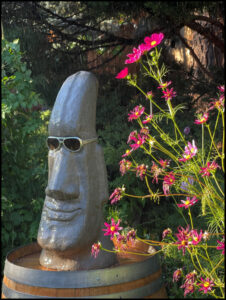
Plato wants you to know he is excited for the cooler weather, Halloween, and all the candy he can scrounge.

Meanwhile, the rest of us are worried sick about Hurricane Ian and all our friends and family down south. Amazingly, my in-law’s place in the Low Country of South Carolina, despite this picture, is still above the floodwaters.
Can you lower your blood pressure without drugs?
According to a recent article, daily deep diaphragmatic breathing exercises, 30 breaths per day over six weeks, could significantly reduce systolic blood pressure levels, possibly to the same extent as a blood pressure medication.

Now don’t stop taking your medications, but do read this article and definitely talk to your doctor. When my car stopped working today, I practiced what I preached.
The Annual Election Period begins today, October 1st. You can’t make any changes until October 15th, but if you are concerned about your coverage…
Do book a time on my calendar.
If you are happy with your current coverage, and your Annual Notice of Changes looks good, you don’t need to call me. Just be sure to ignore all the noise from Captain Kirk and the rest.

Well Quantz left me, again… this time for London, to see our Air Force son Nicholas.
He was supposed to be coming home in October but the Air Force has other plans for him.
They say he’s about to be deployed from Britain to somewhere in Asia. Please keep him in your prayers (along with all our soldiers and those devastated by the Hurricane.)
Meanwhile …

After 8,387 miles, please welcome home Steve and Jo from their amazing adventure to Alaska.
While crossing back into the US at the border and stopping for an agricultural inspection, our brave couple had an issue with the lock on the motorhome.

Steve, being the engineer that he is, had Jo step on the tire…

Then a little support…

And then a final push ! This is proof that true love endures.
I’m so impressed with these two adventurers.
A box of chocolates to anyone out there with a better story (and a picture).

Susan, in Florida (she’s okay), sent this picture of her Buckeye loving baby named Marley.
Marley asks everyone to keep their paws crossed that the Buckeye’s prevail over Rutgers today.
### Adopt a Heart-Healthy Diet
What you eat has a direct impact on your heart health and blood pressure. Shifting to a diet centered on whole grains, fruits, vegetables, and low-fat dairy can make a significant difference. The idea is to reduce foods high in saturated fat and cholesterol, which can contribute to arterial plaque and higher blood pressure readings. Think of it as fueling your body with the good stuff it needs to run efficiently. This doesn’t mean you have to give up all your favorite foods, but rather focus on balance and making smarter choices most of the time. A well-rounded, heart-healthy eating plan is a powerful tool for managing your blood pressure and overall well-being.
Reduce Sodium Intake
One of the most common pieces of advice for lowering blood pressure is to watch your salt intake, and for good reason. Even a small reduction in the sodium in your diet can improve your heart health and lower your blood pressure. The general recommendation is to limit sodium to 2,300 milligrams (mg) a day, but aiming for an ideal limit of 1,500 mg or less is even better for most adults. A lot of sodium comes from processed and restaurant foods, so reading labels and cooking at home more often can help you stay in control of how much salt you’re consuming.
Increase Potassium-Rich Foods
While you’re cutting back on sodium, it’s a great idea to increase your potassium intake. Potassium helps lessen the effects of sodium on your body and can ease tension in your blood vessel walls, which helps lower blood pressure. You don’t need special supplements to get more potassium; it’s found in many delicious and common foods. Some excellent sources include bananas, spinach, potatoes, avocados, and beans. Incorporating more of these potassium-rich foods into your meals is a simple and natural way to support your blood pressure management goals and add more nutrients to your diet.
### Incorporate Regular Exercise
Getting your body moving is a cornerstone of a healthy lifestyle, especially when it comes to managing blood pressure. Regular physical activity strengthens your heart, allowing it to pump more blood with less effort. This reduces the force on your arteries, which in turn lowers your blood pressure. The goal is to aim for at least 30 minutes of moderate-intensity exercise most days of the week. This could be a brisk walk, a bike ride, swimming, or even dancing. The key is consistency. Find an activity you genuinely enjoy, as you’ll be more likely to stick with it long-term and reap the incredible benefits for your heart.
### Focus on Weight Management
Carrying extra weight can put a strain on your heart and is a significant risk factor for high blood pressure. The good news is that losing even a small amount of weight can have a major positive impact. In fact, blood pressure can drop by about 1 millimeter of mercury (mm Hg) for every 2.2 pounds you lose. This means you don’t need to aim for a drastic transformation to see results. Combining a heart-healthy diet with regular exercise is the most effective way to achieve and maintain a healthy weight, which will not only help your blood pressure but also improve your overall health and energy levels.
### Limit Alcohol and Quit Smoking
Your lifestyle habits play a huge role in blood pressure management. Drinking too much alcohol can raise blood pressure to unhealthy levels and can also interfere with the effectiveness of blood pressure medications. It’s recommended to limit alcohol consumption to no more than one drink a day for women and two drinks a day for men. Similarly, every time you smoke, it causes a temporary increase in your blood pressure. Quitting smoking is one of the best things you can do for your heart, as it helps your blood pressure return to a more normal level and significantly reduces your risk of heart disease and stroke.
### Prioritize Quality Sleep
Never underestimate the power of a good night’s rest. Consistently poor sleep—getting less than seven hours a night over a period of weeks—can contribute to high blood pressure. Your body needs adequate sleep to regulate stress hormones and keep your nervous system healthy. To improve your sleep quality, try to stick to a regular sleep schedule, create a relaxing bedtime routine, and make sure your bedroom is dark, quiet, and cool. If you suspect you have a condition like sleep apnea, which can also impact blood pressure, it’s important to talk to your doctor about getting it treated.
### Develop Healthy Stress Management Habits
While occasional stress is a normal part of life, long-term or chronic stress can contribute to high blood pressure. When you’re stressed, your body produces a surge of hormones that temporarily increase your blood pressure by causing your heart to beat faster and your blood vessels to narrow. Finding healthy ways to cope with stress is essential. This could involve deep breathing exercises, meditation, yoga, spending time in nature, or engaging in a hobby you love. Identifying your personal stress triggers and learning effective stress management techniques can make a real difference in your daily life and your blood pressure readings.
The Role of Medical Monitoring and Support
While lifestyle changes are incredibly powerful, managing high blood pressure is most effective when it’s a partnership between you and your healthcare provider. Your doctor can help you create a personalized plan, track your progress, and determine if and when medication might be necessary. Regular check-ins ensure that your efforts are working and allow for adjustments to be made along the way. Think of your doctor as your co-pilot; they provide the medical expertise and guidance, but you are in the driver’s seat of your own health. Open communication and following their professional advice are key to successfully keeping your blood pressure in a healthy range for the long haul.
### Why Medication Is Sometimes Necessary
Making positive lifestyle changes is the first and most important step in managing high blood pressure. However, for many people, diet and exercise alone may not be enough to reach their blood pressure goals. If your numbers remain high despite your best efforts, your doctor may recommend medication. This isn’t a sign of failure; it’s a crucial tool to protect your health and reduce your risk of serious complications like heart attack and stroke. Medications work in different ways to lower blood pressure, and your doctor will find the right one for you. It’s essential to take any prescribed medication exactly as directed and continue your healthy lifestyle habits.
### The Importance of Home Monitoring and Regular Checkups
Keeping an eye on your blood pressure at home is a great way to stay engaged with your health. Using a home blood pressure monitor allows you to track your numbers regularly and see how your lifestyle changes are impacting your readings in real-time. This information is also incredibly valuable for your doctor, giving them a more complete picture of your blood pressure patterns than a single reading at their office can provide. Be sure to bring your log of home readings to your regular checkups. These appointments are vital for discussing your progress, addressing any concerns, and ensuring your treatment plan remains effective.
### Managing Related Health Conditions
High blood pressure doesn’t exist in a vacuum; it’s often linked with other health conditions and can increase the risk of developing new ones. Effectively managing your blood pressure is one of the most important things you can do to protect your overall health. It’s a proactive step that helps safeguard you from a wide range of serious issues. By keeping your blood pressure under control through lifestyle changes and, if needed, medication, you are actively investing in your long-term health and quality of life, reducing the strain on your entire cardiovascular system and other vital organs.
How High Blood Pressure Affects Your Overall Health
Uncontrolled high blood pressure can quietly damage your body for years before symptoms develop. This consistent strain on your arteries can lead to serious health problems, including heart attack, stroke, heart failure, and kidney damage. It can also affect your vision, contribute to sexual dysfunction, and even play a role in the development of dementia. This is why managing high blood pressure is so critical. It’s not just about a number; it’s about protecting your brain, your heart, your kidneys, and your ability to live a full and active life for years to come.
As experts in Medicare, we at The Big 65 often see how managing chronic conditions like high blood pressure is essential for our clients’ long-term well-being and healthcare planning.
Having the right healthcare coverage is a key piece of the puzzle. A good Medicare plan can provide access to the doctors, treatments, and prescription medications you need to manage your blood pressure effectively. It can also cover preventive services that help you stay on top of your health. When you’re not worried about the cost of care, you can focus on what truly matters: following your doctor’s advice and living a healthier life. We help our clients find plans that support their specific health needs, ensuring they have a strong foundation for managing chronic conditions.
### Building a Strong Support System
Managing a long-term health condition like high blood pressure is easier when you don’t have to do it alone. Having a strong support system of family and friends can make a world of difference. These are the people who can encourage you to stick with your exercise routine, share healthy meals with you, and provide emotional support when you feel discouraged. Don’t be afraid to share your goals and challenges with your loved ones. You might also consider joining a support group, either online or in person, to connect with others who are on a similar journey. Sharing experiences and advice can be incredibly motivating.
Your First Step Toward Better Health
Please forward this newsletter to all your friends and family who might need help with Medicare !
Have a great week, be safe and call me if you need me.
Karl Bruns-Kyler
(877) 850-0211
“We do not offer every plan available in your area. Any information we provide is limited to those plans we do offer in your area. Please contact Medicare.gov or 1-800-MEDICARE to get information on all your options.”
Frequently Asked Questions
Can I really lower my blood pressure without medication? For many people, the answer is yes. Making consistent, meaningful changes to your diet, exercise routine, and stress levels can have a powerful effect, sometimes just as much as medication. However, it’s essential to see lifestyle adjustments and medication as partners, not opponents. The best approach is always one you create with your doctor, who can help you track your progress and decide if or when medication becomes a necessary tool to protect your health.
My blood pressure is just ‘elevated,’ not ‘high.’ Should I still be concerned? Think of an “elevated” reading as an early warning sign. It’s your body’s way of telling you that you’re heading toward high blood pressure if things don’t change. This is actually the perfect time to take action. By implementing healthier habits now, you have a fantastic opportunity to prevent your blood pressure from rising into a more dangerous range, potentially avoiding the need for medication down the road.
If I’m already taking blood pressure medication, do these lifestyle changes still matter? Absolutely. Healthy habits are important for everyone, regardless of whether they take medication. Adopting a heart-healthy lifestyle can make your medication more effective and can improve your overall well-being. In some cases, your doctor might even be able to reduce your dosage over time if your numbers improve significantly through diet and exercise. Think of it as a team effort—your habits and your medication are working together for your health.
All these diet changes feel overwhelming. Where’s the best place to start? It’s completely normal to feel that way. Instead of trying to change everything at once, focus on one high-impact area first: sodium. Start by reading the nutrition labels on packaged foods like soups, frozen meals, and bread, and you might be surprised by how much salt is hiding in them. Making a conscious effort to choose lower-sodium options and cooking more meals at home are simple first steps that can make a big difference.
How quickly can I expect to see a change in my blood pressure after making these adjustments? There’s no single timeline, as everyone’s body responds differently. Some people might see a noticeable drop in their numbers within a few weeks, while for others, it may be a more gradual process over a few months. The key is consistency. The goal isn’t a quick fix but to build sustainable habits that support your heart health for the long haul. Be patient with yourself and focus on making steady progress.
Key Takeaways
- Small daily choices make a big impact: You can effectively manage your blood pressure by focusing on consistent lifestyle adjustments. Prioritize a diet rich in fruits, vegetables, and potassium while cutting back on sodium, and incorporate regular physical activity that you genuinely enjoy.
- Track your progress and team up with your doctor: Since high blood pressure is often asymptomatic, monitoring your numbers at home gives you and your doctor valuable insight. This collaborative approach helps you see the results of your efforts and make informed decisions about your treatment plan.
- Don’t overlook the power of rest and relaxation: Chronic stress and poor sleep directly affect your blood pressure. Integrating healthy stress-management techniques and ensuring you get consistent, quality sleep are foundational pieces of your overall heart health strategy.