Happy Valentine’s Day 💘, President’s Day🎩, Fat Tuesday🎭, Lunar New Year🏮🐎🔥, and Ash Wednesday ✝️ …
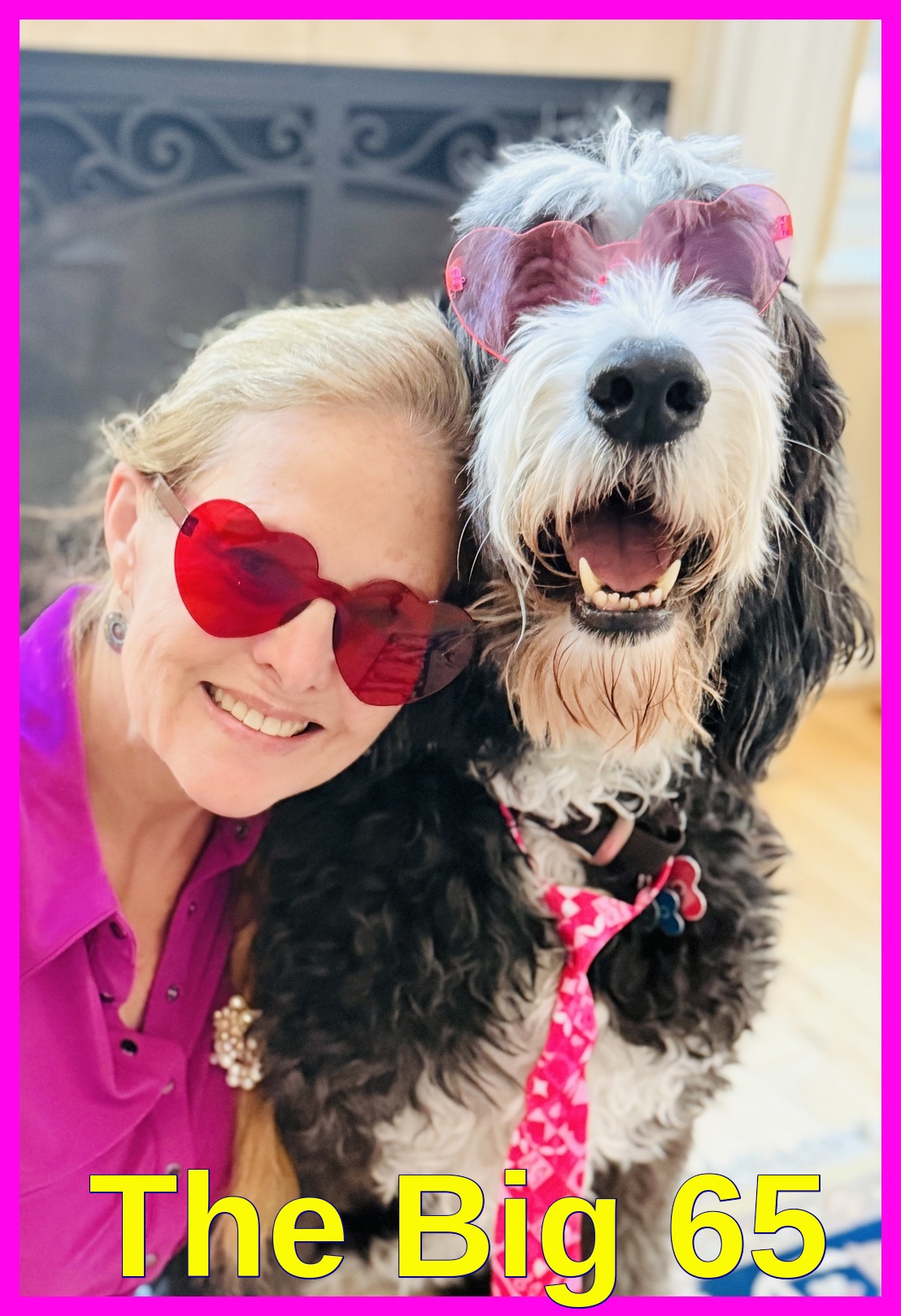
And may this blog find you well, with your Medicare insurance keeping you healthy so you see the world through rose colored glasses💗🕶️.
Remember to email Gray@TheBig65.com or book a time on my calendar if you have questions about Medicare Supplements, Medicare Advantage plans, Part D drug plans, or if you need some help.
We brought back this swag from the Valentine’s day dance at our local Senior Center last weekend. Don’t you think Plato looks good in the pink🐩?
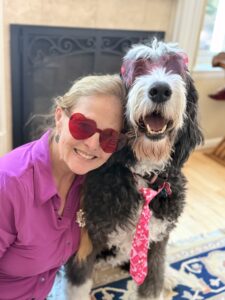
I can’t remember the last time we went to a dance (Quantz forced me to go🥴) and of course we had a great time.

That’s the whole point of trying new things. Getting out of your routine is just plain healthy. Plus, we met a bunch of super nice people and they gave us their extra drink coupons😂🍷.
The band played great tunes and everyone had a ball out on the dance floor💃.
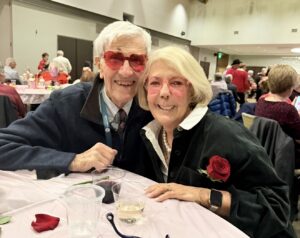
We know that exercise (like dancing or walking) helps mental health and the evidence does support that.
But if it’s so “good for you,” why do so many people dread it or quit after a short burst of motivation🥵?
(Don’t worry about Dave and Shelly, they NEVER stop moving.)
This Denver Post article explains that the answer is simple: endorphins are real, but they’re only one small part of the experience.
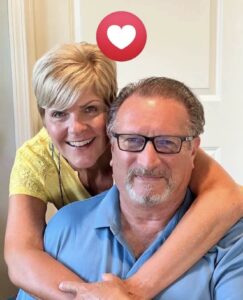
(I think we need to ask Claire to share her endorphins. Looks like she had an amazing Valentine’s Day❤️!)

Experts note that the popular idea — work out → get endorphins → feel great — oversimplifies what’s happening in the brain and body. The same workout can feel completely different depending on your mood, stress level, sleep, life circumstances, and even where you’re exercising.
Some people get an immediate “runner’s high🏃♂️💨😄 ,” but many don’t—and expecting a dramatic mood payoff can set you up for disappointment.
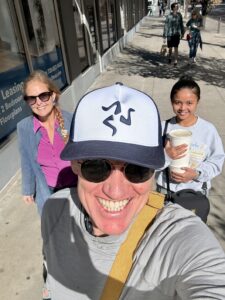
(We took Miti to the Botanic Garden to celebrate the Chinese Lunar New Year🐉. Endorphin mission accomplished!)

The article also points out the very human barriers that can overpower any chemical boost: feeling uncomfortable in your body, fear of being judged, perfectionism, boredom, pain, or exhaustion.
Exercise isn’t like flipping a switch—there isn’t a guaranteed instant “high” that washes all that away.
(But if you aren’t feeling motivated, a visit to the Botanic Garden🌸can raise your spirits.)

What works is consistency over intensity. Pick something doable. Workouts feel better when you expect to succeed, have support, and improve over time. And you don’t need a gym: daily movement counts (yardwork, dog walks🚶🐕☀️, carrying kids, gardening).
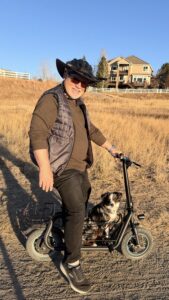
(I met my buddy Joseph for a trail ride on Sunday. Watching Sierra jump in and out of her basket was good for the soul.)
Bottom line: the goal isn’t punishment, it’s finding “joyful movement” you can repeat.
Pair activity with something you already like (music, a podcast, sunshine, a friend), keep it challenging but not crushing, and build the habit slowly. Any enjoyable movement is a step in the right direction.
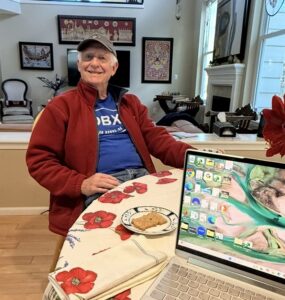
Heck, it can be as simple as walking over to your neighbor’s house and having a cup of coffee☕️, right John?
If exercise feels hard, that OK. Your brain is just doing what brains do: avoiding discomfort. Start small, keep it pleasant, and let consistency do the heavy lifting.
Miti just started playing intramural soccer⚽️at school and Plato wanted to show her how to be a great defender. It takes a village so keep moving, keep connecting, keep laughing, and the world will be your oyster!

We had a few warm days this past week and our bees🐝were up and at it!
If you’d like to receive honey🍯from our hives and you have a Gmail address (and haven’t given us a review yet), please click on this link, write us a review, and Quantz will send you honey. If you haven’t received your honey yet, please let us know.

It’s good to be home with family, keep finding ways to connect.
Keep asking, “What’s the next big thing?”
If family or friends need help… referrals are the lifeblood of my business.
If you know someone who might like to receive The Big 65 newsletter, forward this link.
Medicare questions or problems?
Book a time on my calendar or email Gray, Gray@theBig65.com.
Let us know what’s going on and please send pictures :).
Karl Bruns-Kyler
(877) 850-0211
Book a time on my calendar here
Happy with my Service? Click Here to Leave a Review.
Karl Bruns-Kyler is a Medicare insurance broker and independent Medicare agent licensed to help Medicare recipients in thirty states around the country, including:
Alabama
Arizona
Arkansas
California
Colorado
Connecticut
Florida
Georgia
Idaho
Indiana
Iowa
Kansas
Kentucky
Louisiana
Maryland
Michigan
Minnesota
Missouri
Montana
Nevada
New Hampshire
New Jersey
New York
North Carolina
Ohio
Oklahoma
Pennsylvania
South Carolina
Tennessee
Texas
Virginia
Washington
Wisconsin
The Big 65 Medicare Insurance Services does not offer every plan available in your area. Currently, we represent 10 organizations that offer 50 products in your area. Please contact Medicare.gov or 1-800-MEDICARE to get information on all of your options.