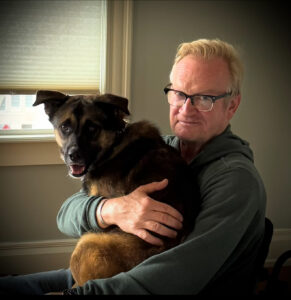
The super-agers have a message for you 📢🫂

Summer Greetings!  May this blog find you keeping cool☀️, with your Medicare Insurance coverage working well.🐫.

If you need help 🙋‍♂️ with Supplements, Medicare Advantage Plans, or Part D Drug Plans🤔, please e-mail Gray, Gray@TheBig65.com or book a time on my calendar.

In talking with clients all over the US,  it’s been hot as the dickens. Plenty of reason to be inside during the day, even if you’re having guests.

Karl playing chess against a young boy while another young boy strums on the guitar.

We just finished our final week of hosting friends from overseas. It was a delight to have them here and to reconnect. The best part of company is you actually do a lot of things you don’t normally do: chess, puzzles, and local tourist attractions.

A group of people working on a puzzle as Plato sits nearby.

In all the years we’ve lived in Colorado, I’ve never managed to make it up to Wyoming for the Frontier Days Rodeo in Cheyenne.

A group of people posing together in front of a sign that reads "saloon."

As a boy, I grew up working on Abe Lincoln’s uncle’s dairy farm in the Shenandoah Valley but…

Though it was impressive to watch the young men and women risking their lives for glory and cash, you couldn’t pay me to get on bucking bronco!

My mission is to never win a Darwin award.

A man riding a bucking horse at the rodeo.

Watching the young native American dancers preserving their traditions was quite moving. The Cheyenne Frontier Days Rodeo serves as a way for the families from all over to stay connected and to remember the old ways.

A young native American in traditional costume.

And I’m here to tell you:

Despite what the young uns say, the old ways ain’t all wrong. Of course I’m a big fan of convenience and simplicity, but many of our daily connections and rituals have disappeared along the way.

A man riding a bucking bull.

And according to a recent article on super agers, people over 80 who’ve retained the memory and cognitive skills of folks decades younger, their secret isn’t just diet and exercise—it’s the power of deep, meaningful social connections.

While some followed all the “rules” of healthy living, others didn’t—yet they still kept their brains sharp. What they all had in common was a strong social life.

We celebrated Romain and Christine’s 15th wedding anniversary and shared our secrets for child rearing 😂, of course our children are still in therapy😉.

A group of people having fun together.

Here are some of the key take aways from the article about super agers:

  • Super-agers are rare. They remember as well as people 20–30 years younger, often recalling long lists of words with ease.

  • Lifestyle habits vary widely. Some exercised daily and ate clean; others smoked, drank, and slept poorly—but still excelled mentally.

  • Social bonds were universal. Every super-ager studied rated their relationships highly and maintained active, positive social lives.

It’s also important to teach every visitor to the US the power of roasted marshmallows!

A group of people enjoying marshmallows over a fire.

  • Brain differences are striking. Their brains had more Von Economo neurons (linked to social interaction) and a thicker anterior cingulate cortex (tied to empathy, motivation, and emotional regulation).

  • Alzheimer’s resilience. Some showed resistance to age-related brain changes, while others appeared to adapt and maintain function despite them.

  • The social brain connection. Staying socially engaged may be just as important for cognitive longevity as eating well or exercising.

If you ask me for an example of super agers in action, my cheese lady at the grocery store personifies a super ager. Although she is only 3 x 25 years old, she has the exuberance, the health, and the positivity of somebody half her age. Plus, she always has GREAT cheese recommendations.

A lady wearing a red shirt and a black hat at the cheese counter of a grocery store in Colorado.

The bottom line, we can’t control all the factors that determine how our brains age, but we can nurture friendships, join communities, and keep showing up for each other.

I count on Shava to help me with our hives. This year’s harvest will be MUCH smaller than last year, but we did our best for the bees and we just keep going.

Karl working with the bee hives.

Now that Romain and his family are back in France, our house feels pretty empty. Plato misses the boys too. One chapter ends, another begins.

If you say, “The world stinks and everyone has forgotten me 😡😠,” you’re right!

If you say, “I’m feeling a little lonely, what can I do for someone else🤔?”

It’s easy to be a cranky old bastard (I’m a pro if my wife Q doesn’t remind me to wake up!)

The road to a super-aging brain is paved with curiosity 🤔 and kindness 🫂. Let me know what you are doing to change your world, it only takes a smile and a few words of connected kindness. Plato says get busy!

Plato the big black and white dog posing with two young boys.

If family or friends need help… referrals are the lifeblood of my business.

If you know someone who might like to receive The Big 65 newsletter, forward this link.

Medicare questions or problems?

Book a time on my calendar or email Gray, Gray@theBig65.com.

Let us know what’s going on and please send pictures 🙂

Karl Bruns-Kyler
(877) 850-0211
Book a time on my calendar here
Happy with my Service? Click Here to Leave a Review.


Karl Bruns-Kyler is a Medicare insurance broker and independent Medicare agent licensed to help Medicare recipients in thirty states around the country, including:

Alabama
Arizona
Arkansas
California
Colorado
Connecticut
Florida
Georgia
Idaho
Indiana
Iowa
Kansas
Kentucky
Louisiana
Maryland
Michigan
Minnesota
Missouri
Montana
Nevada
New Hampshire
New Jersey
New York
North Carolina
Ohio
Oklahoma
Pennsylvania
South Carolina
Tennessee
Texas
Virginia
Washington
Wisconsin

The Big 65 Medicare Insurance Services does not offer every plan available in your area. Currently, we represent 10 organizations that offer 50 products in your area. Please contact Medicare.gov or 1-800-MEDICARE to get information on all of your options.

Medicare Broker Karl Bruns-Kyler and Plato the big black and white dog.


What’s your back up plan🧯🚨🛟?

August Greetings!  May this blog find you balanced🧘, with your Medicare Insurance keeping you above the sand☀️🐫.

If you need help 🙋‍♂️ with Supplements, Medicare Advantage Plans, or Part D Drug Plans🤔, please e-mail Gray, Gray@TheBig65.com or book a time on my calendar.

Gustave did a great job holding up his family during our adventures.

A kid kneeling in the sand.

Twenty one years ago, his father, Romain, was a high school exchange student, from France, living with us in Atlanta.

After the school year ended, we took him and our young children on a trip to the Great Sand Dunes in southern Colorado. That’s our youngest by the sign, read the words carefully.

A kid looking up at a sign.

How strange to see the same sign, so many years later, withered and worn. “Time waits for no man” and gettin’ old ain’t for sissies, right?

Karl looking up at a sign.

We camped near the dunes, watched the stars, talked about life, and how time passes.

Three people lit up by a light at night.

The boys went crazy over Chef Boyardee pasta, (not a staple in France).

We were well prepared, plenty of supplies for smores🪵🔥🍡🍫, and even an extra lighter, just in case.

People surrounding a light at a table at night.

When camping, it’s good to have a back up plan⛺.

Thanks to Stan here in Colorado, we are reminded this strategy applies to Medicare as well.

A man walking on a sand dune.

When a client was preparing to leave for a routine medical screening, she couldn’t locate her medical insurance cards. The cards weren’t in the regular spot in her wallet😱.

A young person crawling in the sand.

Her husband called while I was at my desk and not in the Sand Dunes, though the call would have gone through to my colleague Gray and he would have resolved the issue😌.

A bug in the sand.

I was able to log in, download a copy, and send it to them, no harm, no foul.

Here’s what Stan wrote to me:

“I guess the lesson learned is never trust your husband with your purse contents! (Turns out, after an ER visit, he had put them back in the wrong place.)

…The other lesson is that you need to be sure you have scanned/electronic copies of all your critical medical cards, readily available, for your spouse to use in an emergency.

Had she been physically unable to find her purse before we left for the ER, I would have been left with no proof of insurance to provide the hospital. ”

Wise words Stan, wise words👍.

Closeup of a bug in the sand.

We learn from experience.

It’s ok to make mistakes, as long as they are new ones, right😂?

A family of four posing near the sand dune.

So while you are reading the newsletter:

  • Pull out your phone, take a picture of all your insurance cards AND your Medicare card.
  • Save a set of on your phone.
  • Email a set to your spouse, your kids, or to another person you trust.
  • Print up an extra set and put them on top of the fridge (or in a place everyone in your house can find).

That way, next time you’re in the desert, you’ll  have plenty of extra water, or soda😆.

A kid sitting in front of three cans of soda in red cans.

And do keep squeezing the juice🍊out of life and look for ways to help others.

If family or friends need help… referrals are the lifeblood of my business.

If you know someone who might like to receive The Big 65 newsletter, forward this link.

Medicare questions or problems?

Book a time on my calendar or email Gray, Gray@theBig65.com.

Let us know what’s going on and please send pictures :).

Karl Bruns-Kyler
(877) 850-0211
Book a time on my calendar here
Happy with my Service? Click Here to Leave a Review.


Karl Bruns-Kyler is a Medicare insurance broker and independent Medicare agent licensed to help Medicare recipients in thirty states around the country, including:

Alabama
Arizona
Arkansas
California
Colorado
Connecticut
Florida
Georgia
Idaho
Indiana
Iowa
Kansas
Kentucky
Louisiana
Maryland
Michigan
Minnesota
Missouri
Montana
Nevada
New Hampshire
New Jersey
New York
North Carolina
Ohio
Oklahoma
Pennsylvania
South Carolina
Tennessee
Texas
Virginia
Washington
Wisconsin

The Big 65 Medicare Insurance Services does not offer every plan available in your area. Currently, we represent 10 organizations that offer 50 products in your area. Please contact Medicare.gov or 1-800-MEDICARE to get information on all of your options.

Medicare Broker Karl Bruns-Kyler and Plato the big black and white dog.

Here’s the surprising connection between teeth and tickers🦷🫀!

Happy Summer!  May this blog find you staying cool😎, with your Medicare Insurance not driving you crazy🤪.

If you have questions or need help 🙋‍♂️ with Supplements, Medicare Advantage Plans, or Part D Drug Plans🤔, please e-mail Gray, Gray@TheBig65.com or book a time on my calendar.

It’s been hot as the dickens here in Colorado😓. Some days, even Plato doesn’t want to go out. There is a season for everything and since Plato is ten years old, I guess we’ll cut him some slack.

Just remember, gettin’ old ain’t for sissies!

Plato the big black and white dog sitting on the floor.

Despite the heat, Q’s as busy as ever, delivering Meals on Wheels and taking flower classes💐. She’s getting used to being at home since our new exchange student from Madagascar will be arriving in just under three weeks🌟.

Quantz next to a colorful arrangement of flowers in her kitchen.

I’ve been busy with 2026 Medicare Certifications, learning all the changes for next year. So far, despite all the noise from Washington, I haven’t seen anything too earth shattering. The carriers will be sharing that info in late September, so please keep an eye out for the Annual Notice of Changes when it comes in the mail📬.

Between carrier certifications, I played some♟️chess with my buddy Brayan. Unfortunately, like my father used to say when he once played Bobby Fisher, “he killed me like a chicken🪓😵🐔.”  I had great chance in both games, but I got impatient. It’s always good to learn new things, even if it smarts💭. Don’t worry, I’ll get a rematch!

A young man studying a chess board.

Speaking of new things, Q saw an article that really got my attention…

🦷Flossing might save your life! And since there are people in your life you care about, you may want to take this to heart❤️.

A group of four people sitting at a table about to have food.

❤️ Flossing is linked to a 22% lower risk of stroke and 44% lower risk of cardioembolic stroke, (a stroke caused by a clot that forms in the heart🫀).

Remember, the only good stroke is a backstroke🤣. Romain, our French exchange student from long ago, is still exploring Colorado with his family (seen here doing the proper type of stroke!).

People playing in a pool of water.

💓 People who floss also showed 12% lower risk of atrial fibrillation (AFib)—a common heart rhythm issue.

Now I can’t guarantee that Gustave and Justin are great flossers, but they are well attended!

Two boys standing in front of a pig statue.


  • 🪥 Brushing + flossing = up to 75% reduction in cardiovascular mortality in long-term studies.
  • 🔥 Inflammation from gum disease may trigger artery damage—flossing helps keep it in check.
  • 🧵 Even flossing once a week offers noticeable benefits… but daily is best.

A lake surrounded by the mountains and flowers.

Life is short, even if we live to be one hundred.

Taking care of ourselves—physically, emotionally, and mentally—helps us stay strong, present, and connected to the people we love. These are my buddys from 8th grade and we are still connected to this day.

A vintage photo of six buddies from 8th grade.

When we feel well, we show up better for others, listen more deeply, and share life’s moments more fully.

Self-care isn’t selfish—it’s how we keep the bonds of love alive and growing. So grab some floss and then go call an old friend!

A group of six middle-age men recreating a photo from 8th grade.

And do keep squeezing the juice🍊 out of life and look for ways to help others.

If family or friends need help… referrals are the lifeblood of my business.

If you know someone who might like to receive The Big 65 newsletter, forward this link.

Medicare questions or problems?

Book a time on my calendar or email Gray, Gray@theBig65.com.

Let us know what’s going on and please send pictures :).

Karl Bruns-Kyler
(877) 850-0211
Book a time on my calendar here
Happy with my Service? Click Here to Leave a Review.


Karl Bruns-Kyler is a Medicare insurance broker and independent Medicare agent licensed to help Medicare recipients in thirty states around the country, including:

Alabama
Arizona
Arkansas
California
Colorado
Connecticut
Florida
Georgia
Idaho
Indiana
Iowa
Kansas
Kentucky
Louisiana
Maryland
Michigan
Minnesota
Missouri
Montana
Nevada
New Hampshire
New Jersey
New York
North Carolina
Ohio
Oklahoma
Pennsylvania
South Carolina
Tennessee
Texas
Virginia
Washington
Wisconsin

The Big 65 Medicare Insurance Services does not offer every plan available in your area. Currently, we represent 10 organizations that offer 50 products in your area. Please contact Medicare.gov or 1-800-MEDICARE to get information on all of your options.

Medicare insurance broker Karl Bruns-Kyler of The Big 65 Medicare insurance services company.


The trail to better health starts here 🚶‍♂️🌄✨

Hello and may this blog find you in excellent spirits, with your Medicare Insurance working well.

If you have questions or need help 🙋‍♂️ with Supplements, Medicare Advantage Plans, or Part D Drug plans🤔, please e-mail Gray, Gray@TheBig65.com or book a time on my calendar.

In August, my colleague Gray will be emailing you a list of your drugs from our last contact, if your are taking any medications💊🩺💉🧪. Our goal is to have all of your information updated well in advance of the Annual Election Period in October.

We don’t want you or your coverage to get lost in the woods😂

A man walking in the woods in the distance.

It never ceases to amaze me how rapidly time passes. You blink, and suddenly the young’uns you’ve known forever are all grown up.

This week we’ve been hosting our very first exchange student and his family. Back in 2003, Romain, came from his home in France to live with us for a year. It was such a great experience, and so good for our children, that we hosted eight more over the years. We love it when any of them visit.

A group of people sitting at a metal table.

The good thing about having guests in your home? It gets you out of the house and doing things locally that you never seem to get around to doing, like rafting.

Of course the rapids weren’t high enough for my wife Quantz (she’s the adrenaline junky), but everyone else had a great time.

A group of people in a raft white water rafting.

When life gets hectic, or we just need a break, the best health remedy may not be coming from your doctor, a prescription, or your phone.

The best way to get healthy might be to hang out in the woods, alone or with the people you love.

A young blonde kid smiling at the camera.

Forest bathing (or shinrin yoku in Japanese) doesn’t mean you have to hike or count steps, it means being in nature.

It’s much more about breathing the cool air, noticing the sounds, the smells and the light.

A group of people hiking in the woods.

In fact, studies show that just 2 hours a week  in nature can lead to measurable improvements in physical and emotional well-being, reducing stress hormones, lowering blood pressure, improving sleep, and even boosting immune function.

Just remember not to interrupt the moose when he is forest bathing 🫎 😅

A moose in a lake.

And here’s the best part:

If you’re 62 or older, you qualify for the America the Beautiful Senior Lifetime Pass—an $80 one-time fee that gets you free entry to all U.S. National Parks, Forests, and more—for life. That includes places like Yellowstone, Yosemite, Rocky Mountain, and hundreds more.

Here’s the link or you can pick one up at any National Park Visitor center.

If you’re looking for more peace, better sleep and stronger health…get outside🌄.

A beautiful group of people posing for a group shot.

And when you get back home, hopefully you’ll be energized to do all  of those projects 🛠️🏡🧰 you’ve been avoiding. But don’t worry, Plato promises to help. He has lots of friends at the hardware store😍.

A man with a beard hugging a big black and white dog named Plato.

And do keep squeezing the juice🍊 out of life and look for ways to help others.

If family or friends need help… referrals are the lifeblood of my business.

If you know someone who might like to receive The Big 65 newsletter, forward this link.

Medicare questions or problems?

Book a time on my calendar or email Gray, Gray@theBig65.com.

Let us know what’s going on and please send pictures :).

Karl Bruns-Kyler
(877) 850-0211
Book a time on my calendar here
Happy with my Service? Click Here to Leave a Review.


Karl Bruns-Kyler is a Medicare insurance broker and independent Medicare agent licensed to help Medicare recipients in thirty states around the country, including:

Alabama
Arizona
Arkansas
California
Colorado
Connecticut
Florida
Georgia
Idaho
Indiana
Iowa
Kansas
Kentucky
Louisiana
Maryland
Michigan
Minnesota
Missouri
Montana
Nevada
New Hampshire
New Jersey
New York
North Carolina
Ohio
Oklahoma
Pennsylvania
South Carolina
Tennessee
Texas
Virginia
Washington
Wisconsin

The Big 65 Medicare Insurance Services does not offer every plan available in your area. Currently, we represent 10 organizations that offer 50 products in your area. Please contact Medicare.gov or 1-800-MEDICARE to get information on all of your options.

Medicare broker Karl Bruns Kyler Big 65.

I messed up this week… and learned something worth sharing 😬📆💡

Greetings and may the dog 🐕 days of summer 🌞 find you in robust health, with your Medicare Insurance working properly.

Have questions or need help 🙋‍♂️ with Supplements, Medicare Advantage, or Part D Drug Plans🤔?  Please e-mail Gray, Gray@TheBig65.com or book a time on my calendar.

If you have friends turning 65 or are getting ready to leave employer coverage, please let us know and we’ll email a video on how to get started… it’s easy to get lost in the wilderness😕🧭🌲.

Quantz walking Plato the big black and white dog on a sunny day in Colorado.

We had a full moon Thursday night, a “Buck Moon.” And though I saw no mule deer up on the bluffs behind our home, I did see this little prairie dog raising his head high and calling out to the heavens.

A prairie dog in Colorado singing to the heavens.

This summer, I’m doing my best not to sweat the small stuff, but as you know, it’s easier said than done.

My appointment scheduling software went rogue last Friday😖, and I was late for an appointment with the same client, TWICE😱. Talk about embarrassing! I’m guessing my German father is rolling over in his grave⚰️🌀. It’s been bothering me all week🤔.

A squirrel contemplating life in the back yard.

Of course I sent an apology (and a Starbucks card☕), but some things you can’t undo and you just have to learn to let go. That’s part of the reason I write this newsletter…

To share things with you all that I need to learn myself. You know the saying:

“When you point 👉 one finger at someone, three fingers point back at you😬.”

For me, it’s more like three times ten!

A beautiful sunset in Colorado.

It’s way too easy to focus on what’s wrong instead of all the things that are actually right in our lives. Or as Mark Twain wrote:

“I’ve had a lot of worries in my life, most of which never happened.”

Karl in beekeeping suit inspecting a bee hive.

📚 That’s why the book The How of Happiness by Sonja Lyubomirsky hit home this week. She’s a psychology professor who breaks happiness into three parts:

  • 🧬 50% of our happiness is genetic — the temperament we’re born with.

  • 🎯 40% is based on our choices — what we do and how we think each day.

  • 🌦️ Only 10% comes from life circumstances — things like money, health, or that rogue calendar app 😅.

The good news here: we have control over 40%! That’s no small thing.

Karl and Quantz posing with a group of happy people.

So here’s what I’m reminding myself (and maybe you too): there are simple ways to move the needle, focus on the things that are working instead of on the noise and the problems.

  • Call someone you love 📞👵      
  • Take a walk and look at the sky 🌤️🚶
  • Be kind to a stranger (or yourself) 💛 
  • Practice letting go of mistakes (like missed appointments 😬) 
  • Write down one thing that went well📝 

Plato suggests giving snacks to the animals you love!

Plato with a cookie on his head.

So happiness is mostly in our hands, how we choose to respond, how we choose to help others.

I’m pleased to report that, after almost eleven months of blood, sweat, and tears, Quantz has gotten all the paperwork and all of the visas approved so that, starting in August, we will be hosting an orphan from Madagascar to live in our home for a year and to attend high school here in Colorado🎉.

It’s going to be a BIG change in our lives, many adventures, many learning opportunities… we’ll be parents again, for a year. Heaven help us and heaven help Mitia!

Remember to keep asking… what’s the next big thing🤔?

Mititia standing in a classroom.

Keep squeezing the juice🍊 out of life and look for ways to help others.

If family or friends need help… referrals are the lifeblood of my business.

If you know someone who might like to receive The Big 65 newsletter, forward this link.

Medicare questions or problems?

Book a time on my calendar or email Gray, Gray@theBig65.com.

Let us know what’s going on and please send pictures :).

Karl Bruns-Kyler
(877) 850-0211
Book a time on my calendar here
Happy with my Service? Click Here to Leave a Review.


Karl Bruns-Kyler is a Medicare insurance broker and independent Medicare agent licensed to help Medicare recipients in thirty states around the country, including:

Alabama
Arizona
Arkansas
California
Colorado
Connecticut
Florida
Georgia
Idaho
Indiana
Iowa
Kansas
Kentucky
Louisiana
Maryland
Michigan
Minnesota
Missouri
Montana
Nevada
New Hampshire
New Jersey
New York
North Carolina
Ohio
Oklahoma
Pennsylvania
South Carolina
Tennessee
Texas
Virginia
Washington
Wisconsin

The Big 65 Medicare Insurance Services does not offer every plan available in your area. Currently, we represent 10 organizations that offer 50 products in your area. Please contact Medicare.gov or 1-800-MEDICARE to get information on all of your options.

Medicare broker Karl Bruns Kyler Big 65.

Want memory boost while you sleep?😴🌿

Happy Fourth🎆 and may this note find you enjoying the holiday weekend, with your Medicare Insurance keeping you red, white, and blue.

Have questions or need help 🙋‍♂️ with Supplements, Medicare Advantage, or Part D Drug Plans🤔?  Please e-mail Gray, Gray@TheBig65.com or book a time on my calendar.

It’s hot as “👹🔥” in Colorado, but don’t worry! Plato got his summer cut and of course he’s helping with the cherry 🍒 harvest.

Karl picking cherries from a cherry tree as Plato looks on.

We’ve got a block party this afternoon and Q decided to make a cherry cobbler🍒🥧.

Hard to believe Plato likes sour cherries, but he also loves 🥦broccoli stems 😖 so there’s no accounting for taste (thank goodness, or Q would’ve never married me😂.)

Quantz working in the kitchen as Plato watches.

It turns out that taste is deeply connected to our sense of smell. We know our tastes and our sense of smell can change as we age. I’ve lost my taste for sugar in the last few years, but the smell of anything baking👃🥧 😍 makes me very happy.

recent study at UC Irvine links scent and memory, suggesting that exposure to certain smells while sleeping may provide a significant cognitive boost.

Quantz taking a pie out of the oven as Plato watches.

Diffusing a different natural scent each night while you sleep could boost memory by a whopping 226% over six months!

Participants (aged 60–85) slept with a diffuser running for just 2 hours a night, rotating between seven essential oils like lavender, eucalyptus, and rose. The result? Sharper recall and even positive brain changes on imaging!

Perhaps we should wake up and smell the roses👃🌹!

A floral arrangement made up of red roses.

💡The science is pretty exciting—smell is directly connected to your brain’s memory center.

That’s why a whiff of something familiar can suddenly transport you back decades. We went to a local brewery last weekend and they had goats on the patio.

I grew up working on farms and being around livestock definitely takes me back to the good old days🐓🚜🌾, but I don’t miss shoveling 🐄💩!

A brown goat smelling a glass of dark beer.

Now before you buy a cart full of oils, keep in mind: this was a small study, and while results were promising, it’s still the early days.

My big brother, Dr. Rob, always warns me not to jump on the bandwagons too early. This is not a cure for dementia, just a potentially helpful habit to try alongside healthy sleep, good nutrition, and staying mentally active🧠.

Wellness is never just the “one thing☝️” pointed out by the influencers. Wellness is the culmination of everything we do on a daily basis, the good and the bad.

Forgive yourself for the extra bag of Doritos and then get out there and do something healthy, something fun. Take a chance, do something new.

A newspaper article featuring Karl's brother Rob doing Dancing With the Stars at Chautauqua Institute.

We can always find reasons to settle, to give up, to despair. Sometimes the hardest thing in life is just to keep going🧑‍🦽.

This week, my brother competed in a fundraising “Dancing with the Stars💃🌟🧑‍🦽” event.

Rob’s favorite part of the whole experience were the daily rehearsals and the challenge of learning new movements and sharpening his agility in the chair.

A view from the audience watching Karl's brother competing in a fundraiser called "Dancing With the Stars."

Alas, Robert and his professional dancing partner did not win the competition; it wasn’t a Disney movie ending.

But they did have a great time and I can guarantee they raised the level of energy for everyone who attended❤️.

Remember, “gettin’ old ain’t for sissies!”  What are YOU going to do this week to raise the level of energy for everyone in your life? That’s the quickest path to wellness!

Karl's brother Rob posing with group of woman.

Keep squeezing the juice🍊 out of life and look for ways to help others.

If family or friends need help… referrals are the lifeblood of my business.

If you know someone who might like to receive The Big 65 newsletter, forward this link.

Medicare questions or problems?

Book a time on my calendar or email Gray, Gray@theBig65.com.

Let us know what’s going on and please send pictures :).

Karl Bruns-Kyler
(877) 850-0211
Book a time on my calendar here
Happy with my Service? Click Here to Leave a Review.


Karl Bruns-Kyler is a Medicare insurance broker and independent Medicare agent licensed to help Medicare recipients in thirty states around the country, including:

Alabama
Arizona
Arkansas
California
Colorado
Connecticut
Florida
Georgia
Idaho
Indiana
Iowa
Kansas
Kentucky
Louisiana
Maryland
Michigan
Minnesota
Missouri
Montana
Nevada
New Hampshire
New Jersey
New York
North Carolina
Ohio
Oklahoma
Pennsylvania
South Carolina
Tennessee
Texas
Virginia
Washington
Wisconsin

The Big 65 Medicare Insurance Services does not offer every plan available in your area. Currently, we represent 10 organizations that offer 50 products in your area. Please contact Medicare.gov or 1-800-MEDICARE to get information on all of your options.

Medicare broker Karl Bruns Kyler Big 65.

Does Insurance Cover Dermatology? A Guide to Costs & Coverage

Seeing a specialist shouldn’t end with a surprise bill. But when it comes to skin health, figuring out your insurance can feel overwhelming. If you’ve ever asked, “does insurance cover dermatology?”, you’re in the right place. The good news is that most plans provide dermatologist insurance coverage, but the details are what protect your wallet. We’ll show you exactly what to ask your doctor and insurer before your appointment, so you can get the care you need without the financial stress.

Key Takeaways

  • Medical vs. Cosmetic Is the Key Distinction: Your insurance plan, including Medicare, is designed to cover services that are medically necessary to diagnose or treat a health condition. Procedures done purely to improve appearance are typically not covered, so understanding this difference is crucial.
  • Confirm Your Coverage Before Your Appointment: A few quick checks can save you from unexpected costs. Always verify that your dermatologist is in your plan’s network, review your co-pays and deductible, and ask if a recommended procedure requires pre-authorization from your insurer.
  • You Can and Should Appeal a Denial: An insurance denial is not the final word. You have the right to appeal the decision by gathering your medical records and working with your doctor’s office to provide clear evidence of why the service was medically necessary.

Why Understanding Your Dermatology Coverage Matters

The most important thing to get a handle on is the difference between medical and cosmetic care. Your Medicare plan is set up to cover treatments that are “medically necessary”—meaning they address a specific health problem, like a suspicious mole or a chronic rash. On the other hand, procedures that are done just to improve your appearance, like removing a benign age spot, are considered cosmetic and usually aren’t covered. Knowing this distinction upfront is the key to managing your out-of-pocket costs and making sure there are no surprises when the bill arrives. It helps you set realistic expectations for what your plan will pay for before you even step into the doctor’s office.

Taking a few minutes to confirm your coverage before an appointment can save you a lot of headaches later. Every health plan, including Medicare Advantage and Part D plans, provides a document called a Summary of Benefits and Coverage (SBC). This is your go-to guide for understanding what’s covered, what’s not, and how much you might pay for things like co-pays and deductibles. It’s also essential to check that your dermatologist is in your plan’s network, especially if you have a Medicare Advantage plan. A quick call to your insurance provider or a look at their online directory can clarify these details and give you peace of mind.

If your insurance company denies coverage for a procedure, don’t assume that’s the end of the road. You have the right to appeal the decision. This process usually involves working with your dermatologist’s office to provide medical records and a clear explanation of why the treatment is medically necessary. It can feel like a hassle, but it’s an important right that can make a real difference. And if an appeal isn’t successful or a procedure simply isn’t covered, you still have options. You can talk to your doctor about alternative treatments or ask the billing office about setting up a payment plan. Being aware of these possibilities empowers you to advocate for your health and your finances.

Will Insurance Cover My Dermatology Visit?

When it comes to your skin health, you shouldn’t have to worry about whether you can afford to see a specialist. The good news is that most insurance plans, including Medicare, do cover visits to the dermatologist. The key factor that determines coverage is whether the treatment is considered “medically necessary.” This simply means it’s needed to diagnose or treat a medical condition, not just for cosmetic reasons. Understanding this distinction is the first step to confidently using your benefits for skin care.

It helps you know what to expect before you even schedule an appointment and allows you to have more productive conversations with your doctor’s office and your insurance provider. For example, a procedure to remove a potentially cancerous mole will almost certainly be covered, while a treatment to reduce fine lines likely won’t be. This isn’t always black and white, but knowing the general rules puts you in a much better position. We’ll walk through exactly what this means for you, from preventive screenings to treatments for common skin conditions, so you can feel prepared and in control of your health care decisions. This knowledge empowers you to seek the care you need without the added stress of unexpected bills.

What Counts as a Medically Necessary Treatment?

A treatment is considered medically necessary when it addresses a specific health issue. Think of conditions like persistent acne, painful eczema, skin infections, or the removal of a suspicious mole that could be cancerous. Insurance is designed to cover these types of services that protect your health. On the other hand, procedures done purely to improve your appearance, like removing a benign age spot or getting cosmetic fillers, are typically not covered. The line can sometimes feel blurry, but your dermatologist’s diagnosis is what helps the insurance company define a service as either medical or cosmetic.

Are Preventive Skin Screenings Covered?

Preventive care is a cornerstone of good health, and that includes your skin. Many insurance plans cover skin cancer screenings, especially if you have risk factors like a personal or family history of

Common Skin Conditions Your Insurance May Cover

You might be surprised by how many common skin issues are covered by insurance. Generally, if a condition affects your physical health or comfort, its treatment is considered medically necessary. This includes care for chronic conditions like psoriasis and eczema, as well as treatments for skin infections, warts, and severe rashes. The evaluation and removal of suspicious moles or lesions are also standard covered services. Furthermore, treatments for skin cancer, from biopsies to surgical removal, are almost always covered. Even some types of hair loss related to underlying medical conditions can qualify for coverage.

Examples of Covered Medically Necessary Procedures

To give you a clearer picture, here are some common dermatology services that are typically considered medically necessary and are often covered by insurance plans, including Medicare. While specific coverage can vary based on your plan, these examples address clear health concerns rather than cosmetic preferences. Your dermatologist provides a diagnosis that helps the insurance company understand why the service is essential for your well-being. This documentation is what separates a health-related procedure from one that is purely for appearance, ensuring you get the benefits you’re entitled to for staying healthy. Think of it as your doctor officially telling your insurer, “This isn’t just about looks; it’s about health.”

  • Treatments for Chronic Skin Conditions: This includes the management of conditions like psoriasis, eczema, rosacea, and severe acne that impact your health and quality of life.
  • Skin Cancer Services: Full-body skin exams to screen for cancer, biopsies of suspicious spots, and the surgical removal of cancerous or precancerous lesions are almost always covered.
  • Infections and Rashes: Diagnosis and treatment for skin infections (bacterial or fungal), allergic reactions, and persistent rashes fall under medically necessary care.
  • Mole Removal: If a mole or lesion looks suspicious, changes over time, or causes symptoms like bleeding or itching, its removal and biopsy are generally covered.

Which Dermatology Procedures Won’t Insurance Cover?

When you visit a dermatologist, your insurance coverage often comes down to one key question: is the procedure for your health or for your appearance? Insurance plans, including Medicare, are designed to cover treatments that are medically necessary. They typically don’t pay for services that are purely cosmetic. Understanding this distinction is the first step to figuring out what you might pay out-of-pocket.

It’s a common source of confusion, but once you know what to look for, you can go into your appointments with more confidence. Let’s break down the difference between cosmetic and medical dermatology and explore the gray areas where they might overlap.

How Insurance Sees It: Cosmetic vs. Medical

Think of it this way: if a procedure treats a disease, injury, or diagnosed medical condition, it’s likely considered medically necessary. This includes services like biopsies for suspicious moles, treatment for skin conditions like eczema or psoriasis, or procedures to address severe acne that could lead to scarring. Health insurance plans will generally help pay for these medically necessary services because they restore or maintain your physical health.

On the other hand, cosmetic procedures are performed to improve your appearance. Common examples include Botox injections to reduce wrinkles, chemical peels for smoother skin, laser hair removal, or fillers to add volume. Because these treatments aren’t addressing a specific health problem, you should expect to pay for them entirely on your own.

Examples of Commonly Uncovered Cosmetic Procedures

To give you a clearer picture, let’s look at some specific treatments that usually fall into the cosmetic category. These are the kinds of procedures you should plan to pay for yourself, as they aren’t considered medically necessary. Common examples include Botox and fillers used to smooth wrinkles, chemical peels for skin resurfacing, and laser hair removal. Other services like microneedling to improve skin texture, cellulite reduction, and tattoo removal also fit into this group. While these treatments can certainly make you feel more confident, they don’t address a diagnosed medical problem, which is why insurance plans, including Medicare, typically do not provide coverage for them.

Can a “Cosmetic” Procedure Ever Be Covered?

Sometimes, a procedure can improve both health and appearance, blurring the line between cosmetic and medical. For example, eyelid surgery might seem cosmetic, but if drooping eyelids are blocking your vision, it becomes a medically necessary procedure. Similarly, removing a mole might be done for cosmetic reasons, but if your doctor suspects it could be cancerous, the removal and biopsy are clearly medical.

In these situations, getting insurance coverage depends on your doctor’s documentation. Your dermatologist must provide clear evidence to your insurance provider that the procedure is necessary to treat a medical condition. Without that justification, the insurance company will likely classify it as cosmetic and deny the claim, leaving you with the bill.

How Your Insurance Plan Type Affects Coverage

The type of insurance plan you have plays the biggest role in determining your path to seeing a dermatologist and what you’ll pay. It’s not just about whether a service is covered, but how you get that coverage. Everything from your freedom to choose a specialist to your final bill is tied to the specifics of your plan. Understanding these details ahead of time can save you from headaches and unexpected costs. Let’s walk through the most common plan structures and how they handle dermatology care.

HMO vs. PPO: What’s the Difference for Dermatology?

The main difference between an HMO (Health Maintenance Organization) and a PPO (Preferred Provider Organization) comes down to referrals. If you have an HMO plan, you will almost always need to see your primary care physician (PCP) first to get a referral before you can see a dermatologist. Without that referral, your plan won’t cover the visit. With a PPO plan, you generally have more flexibility. These plans typically allow you to make an appointment directly with an in-network dermatologist without needing a referral from your PCP. This freedom is a key reason many people prefer PPO plans, despite potentially higher premiums.

How Medicare Covers Dermatology

If you have Original Medicare, Part B (Medical Insurance) is what covers medically necessary visits to a dermatologist. This includes services to diagnose and treat skin conditions and diseases. However, Original Medicare doesn’t cover everything. You’ll still be responsible for your Part B deductible and a 20% coinsurance for most services. This is where supplemental plans come in. A Medicare Supplement plan (Medigap) can help cover those out-of-pocket costs. Alternatively, a Medicare Advantage (Part C) plan bundles your coverage and often has its own network rules (like an HMO or PPO) and cost structures for seeing specialists like dermatologists.

What About Medicaid Coverage?

If you have Medicaid, your dermatology coverage is determined at the state level, which means the rules can change quite a bit depending on where you live. Each state runs its own Medicaid program, so it’s essential to check directly with your state’s agency to understand what’s included in your plan. Generally, you can expect coverage for medically necessary services, such as treating conditions like eczema, psoriasis, or skin infections. On the other hand, procedures that are purely for appearance, like cosmetic fillers, are typically not covered by insurance. To avoid any surprises, it’s always a good idea to confirm your benefits before scheduling an appointment.

How Deductibles and Co-pays Affect Your Cost

Even when a visit is medically necessary, you’ll likely have some out-of-pocket costs. These are determined by your plan’s deductible, co-pay, and coinsurance. A co-pay is a flat fee you pay at the time of your appointment, which could be anywhere from $25 to $75 or more. Your deductible is the amount you must pay for covered services before your insurance starts paying. After you’ve met your deductible, you may still owe coinsurance—a percentage of the total cost. It’s also important to know that some plans have limits on the number of visits per year or require prior authorization for specific treatments, so always check your plan details first.

Don’t Forget the Out-of-Pocket Maximum

Beyond your co-pays and deductible, there’s one more number you should know: your out-of-pocket maximum. Think of this as your financial safety net for the year. It’s the absolute most you will have to pay for covered medical services in a plan year. Every dollar you spend on your deductible, co-pays, and coinsurance for in-network care counts toward this limit. Once you reach that maximum, your insurance plan steps in and pays 100% of the costs for your covered services for the rest of the year. Knowing this number can provide significant peace of mind, especially if you need ongoing treatments, because it protects you from facing unlimited medical bills.

How to Prepare for Your Dermatology Appointment

Going to any doctor’s appointment can feel a bit rushed, and it’s easy to forget what you wanted to ask. When it comes to dermatology, a little preparation can make a huge difference. Not only will you get more out of your time with the doctor, but you’ll also protect yourself from unexpected financial surprises down the road. By taking a few simple steps before you go and having a list of questions ready, you can walk into your appointment feeling confident and in control. This proactive approach ensures that your focus stays where it should be: on your skin health.

What to Do Before You Go

A few quick checks before your visit can save you from a lot of hassle and unexpected costs later. First, always call your insurance provider or check their website to verify that the dermatologist is in your plan’s network. Seeing an out-of-network doctor can be significantly more expensive. Next, get familiar with your plan’s cost-sharing details. You should know your co-pay for a specialist visit and how much of your annual deductible you have left to meet. For any recommended procedures, it’s also wise to ask your doctor’s office if they will need pre-authorization from your insurer. Taking these steps helps ensure there are no billing surprises.

Questions to Ask Your Dermatologist

Your appointment is your opportunity to get clarity, so don’t hesitate to ask questions. If your doctor recommends a treatment, ask them to walk you through the plan. It’s helpful to know if it’s considered medically necessary or cosmetic, as this directly impacts coverage. You can also ask if your insurance plan might require “step therapy,” which means you’ll need to try a more common or affordable treatment first before a more expensive one is approved. While your doctor won’t know the exact cost, you can ask their billing staff for the procedure codes. You can then give these codes to your insurance company to get a better estimate of your out-of-pocket expenses before you commit to a treatment.

How to Confirm Your Dermatology Coverage (Before You Go)

A little homework before your dermatology appointment can save you from surprise bills. Taking a few proactive steps gives you a clear picture of what your plan covers and what you might owe. This way, you can focus on your health during your visit, not the cost. It’s about creating a financial game plan so you can walk into the dermatologist’s office with confidence.

Get the Procedure and Diagnosis Codes First

If your dermatologist recommends a specific procedure, like removing a mole or a skin tag, pause before scheduling it. Instead, ask the office for two key pieces of information: the diagnosis code and the procedure code. The diagnosis code explains why you need the treatment (like a suspicious lesion), while the procedure code describes what the doctor plans to do. These codes are the language your insurer uses to understand the medical necessity of a procedure. With these codes in hand, you can call your insurance provider and ask a direct question: “Will procedure code [insert code] for diagnosis code [insert code] be covered under my plan?” This simple step removes all the guesswork and gives you a clear financial picture before you commit to treatment.

Start With Your Plan’s Summary of Benefits

Your first stop should be your insurance plan’s official documents. Every plan provides a Summary of Benefits and Coverage (SBC), a straightforward guide outlining what your plan covers and your potential costs. You can usually find this document on your insurer’s online portal or request a physical copy. Reviewing your plan’s benefits is the most reliable way to see your coverage in black and white, removing the guesswork.

What to Ask When You Call Your Insurer

Insurance documents can be confusing. If you’re unsure after reviewing your SBC, just pick up the phone. Before your appointment, contact your insurance company and speak with a representative. Have questions ready about in-network status, co-pays, and procedure coverage. For your records, it’s smart to note the date and the name of the person you spoke with.

Confirm Coverage With the Dermatologist’s Office

The dermatologist’s office is also a fantastic resource. The billing staff handles insurance questions all day and knows which services are typically covered by different plans. When you schedule your appointment, ask the office staff about their experience with your insurance. They can often provide a realistic estimate of your out-of-pocket costs and help you understand the financial side of your visit before you arrive.

Secure Pre-authorization to Avoid Surprises

Some treatments, even if medically necessary, require a green light from your insurer before you receive them. This is called pre-authorization. Without it, your insurance company may refuse to pay. Your dermatologist’s office typically handles the paperwork, but it’s your responsibility to know if your plan requires it. Always ask if a recommended procedure needs prior approval. This simple step prevents a claim from being denied for a preventable reason.

What Will You Pay Out-of-Pocket?

Even with a great insurance plan, you’ll likely have some costs for a dermatology visit. Understanding what you might have to pay before you go can prevent surprises when the bill arrives. Your final cost depends on three main factors: your plan’s co-pays, your annual deductible, and your coinsurance rate. It also hinges on whether your insurance company agrees that the service you received was medically necessary. Let’s walk through what each of these means for your wallet.

Understanding Your Share of the Cost

These three terms are the building blocks of your out-of-pocket costs. A co-pay is a flat fee you pay for a doctor’s visit or service. For a specialist like a dermatologist, this is often a bit higher than for your primary care doctor and can range from $0 to $75 or more, paid at the time of your appointment. Your deductible is the amount you must pay for covered health services before your insurance plan starts to pay. Finally, coinsurance is the percentage of costs you share with your insurance company after you’ve met your deductible. For example, if your plan has 20% coinsurance, you pay 20% of the bill, and your insurer pays 80%.

Watch Out for Annual or Lifetime Limits

The most important factor determining your coverage is whether a service is considered medically necessary or cosmetic. Insurance, including Medicare, is designed to cover treatments that are essential to diagnose or treat a medical condition. A skin cancer screening or mole removal for medical reasons typically falls into this category. However, procedures done for purely aesthetic reasons, like removing a benign skin tag for appearance’s sake, are usually not covered. It’s also important to know that even some medically necessary services aren’t always guaranteed to be covered, so it’s always best to confirm with your plan beforehand.

How to Estimate Your Costs Before Your Appointment

While the average cost of a dermatology visit is around $221, what you actually pay depends entirely on your insurance plan. The best way to get a clear estimate is to look at your plan’s Summary of Benefits and Coverage (SBC). Every insurance plan is required to provide this document, which clearly lists what’s covered and what you can expect to pay for services. You can usually find your SBC document by logging into your insurance provider’s online portal or by calling them and asking for a copy. This summary is your roadmap to understanding your costs for everything from specialist visits to specific procedures.

Typical Costs for Procedures Without Insurance

If a procedure is considered cosmetic or if you don’t have insurance, you’ll be responsible for the full cost. These prices can vary significantly based on where you live and the specific clinic you visit, but it’s helpful to have a general idea of what to expect. Knowing these ballpark figures can help you budget for treatments that aren’t covered by your plan and allows you to ask more informed questions when you speak with the dermatologist’s billing office. It’s always a good idea to request a detailed cost estimate from the clinic before you agree to any procedure. Below are some common dermatology procedures and their typical out-of-pocket costs to give you a clearer picture of what you might pay.

Mole Removal

The cost for mole removal can range anywhere from $150 to over $1,500. This wide range is due to several factors, including the size and location of the mole and the method of removal. A simple shave removal will be on the lower end of the scale, while a more complex excision that requires stitches will cost more. If the mole is sent to a lab for a biopsy to check for cancer, that will also add to the total cost. Remember, if your doctor removes a mole because it looks suspicious, insurance will likely cover it as a medically necessary procedure. If you’re having it removed for purely cosmetic reasons, you should expect to pay the full amount yourself.

Steroid Injections

Steroid injections are often used to treat conditions like deep acne cysts, keloid scars, or certain types of hair loss. The cost for a single injection is often over $100. The final price tag depends on how many injections you need and how many treatment sessions are required to resolve the issue. For a condition like cystic acne, your dermatologist might recommend a series of injections over several weeks or months. While these injections are typically considered a medical treatment, your out-of-pocket cost will depend on your co-pay, deductible, and whether your plan requires pre-authorization for the service.

Light Therapy

Light therapy, also known as phototherapy, is a common treatment for chronic skin conditions like psoriasis and eczema. While a single session might seem affordable at around $65, the treatment requires consistency to be effective. Most patients need between 20 and 36 sessions, which means the total cost can easily reach thousands of dollars. Because light therapy is used to treat diagnosed medical conditions, it is often covered by insurance. However, many plans require pre-authorization, so it’s crucial to work with your doctor’s office to get that approval before you begin treatment to avoid a surprise bill.

Chemical Peels and Microdermabrasion

Chemical peels and microdermabrasion are popular treatments for improving skin texture, reducing fine lines, and correcting sun damage. Because they are almost always considered cosmetic, you should plan to pay for them entirely out-of-pocket. The average cost for a microdermabrasion session is about $167. Chemical peels have a much wider price range, from $100 for a very light peel to as much as $6,000 for a deep peel performed by a dermatologist. The average cost is over $500. The final price depends on the strength and type of peel, which determines how deeply it treats the skin.

Using FSA or HSA Funds to Cover Costs

If you have a Flexible Spending Account (FSA) or a Health Savings Account (HSA), you have a great tool for managing your health care expenses. These tax-advantaged accounts let you set aside pre-tax money to pay for qualified medical costs, and that includes many dermatology services. You can use your FSA or HSA funds to pay for your co-pays, meet your deductible, and cover your coinsurance for any medically necessary treatments. This is an excellent way to reduce your overall financial burden when seeking care for conditions like acne, eczema, or skin cancer screenings, making your money go further.

You can also use these funds for some over-the-counter products and prescriptions your dermatologist recommends. However, there’s a key rule to remember: FSA and HSA funds generally cannot be used for purely cosmetic procedures. That means services like Botox for wrinkles or a chemical peel for skin brightening are typically not eligible expenses. If a procedure serves a dual purpose—for instance, a mole removal that is both medically necessary and cosmetically desired—you can use your funds as long as your doctor provides documentation of the medical need. Always keep detailed receipts and a letter of medical necessity from your doctor for any procedure that isn’t obviously medical, just in case you need to verify the expense later on.

How to Make the Most of Your Dermatology Benefits

Getting the dermatology care you need shouldn’t feel like a puzzle. With a little planning, you can use your insurance benefits confidently and avoid unexpected bills. It comes down to a few key steps: making sure your doctor is in your plan’s network, understanding the rules for certain procedures, and being strategic about when you schedule appointments. This proactive approach helps you get the full value of your health plan.

Why Staying In-Network Saves You Money

One of the most effective ways to manage costs is to see a dermatologist who is “in-network.” This simply means the doctor has an agreement with your insurance company to charge pre-negotiated rates, which translates to lower out-of-pocket costs for you. Before you book an appointment, take a moment to confirm the doctor is part of your plan. You can do this by using the provider directory on your insurance company’s website or by calling the member services number on your insurance card. While the dermatologist’s office can often help you verify their network status, it’s always best to double-check with your insurer directly to be certain.

Follow Pre-authorization Rules to Maximize Coverage

Some dermatology treatments, even if medically necessary, require pre-authorization from your insurance company. This means your insurer must review and approve the treatment before you receive it to confirm it’s covered. This is common for more expensive procedures, certain medications, or specialized treatments. If you skip this step, you risk having your claim denied, leaving you responsible for the entire bill. Your dermatologist’s office usually handles the paperwork for prior authorization, but it’s smart to ask them if a recommended procedure requires it. This ensures everyone is on the same page before you move forward with care.

Understand “Step Therapy” Requirements

Your insurance plan might have a policy called step therapy, which is a process that requires you to try a less expensive treatment before your plan will approve a more costly one. For a condition like eczema, for example, your insurer might require you to use an over-the-counter cream before they’ll cover a stronger prescription medication. This can be frustrating because it can delay you from getting the most effective treatment right away. The key is to communicate openly with your dermatologist. If the first-step treatment isn’t working, tell them immediately. Your doctor can then provide the necessary documentation to your insurance company, showing that you need to move to the next level of care. Understanding this process ahead of time allows you to be a proactive partner in your own health and helps ensure you get the treatment you need without unnecessary setbacks.

How to Time Your Appointments to Save Money

A little strategic timing can make a big difference in what you pay. Before your visit, it’s wise to call your insurance provider to get a clear picture of what’s covered and what your costs might be. This is especially important if you have a high-deductible plan. If you’ve already paid your annual deductible for the year, it might be the perfect time to schedule a medically necessary procedure, as your insurance will cover a larger portion of the cost. If it’s the beginning of the year, be prepared to pay more out-of-pocket until your deductible is met. A quick call beforehand helps you plan financially.

Choosing a Health Plan for Your Skin Care Needs

When you’re selecting a health plan, it’s easy to focus on the monthly premium, but the best plan for you goes much deeper than that. If you anticipate needing regular skin care, it’s important to look at the details that will affect your access to a dermatologist and your total out-of-pocket costs. Consider the plan’s network of doctors—is your preferred dermatologist included? Also, think about whether you’ll need a referral from your primary care physician for every specialist visit, which is common with HMO plans but not with PPOs. These factors can make a significant difference in how easily you can get the care you need.

This is especially true when you’re choosing a Medicare plan. You have options, from Original Medicare paired with a Supplement plan to an all-in-one Medicare Advantage plan. Each has a different structure for specialist care. If you have a chronic condition like eczema or a history of skin cancer that requires frequent check-ups, a plan with more flexibility and lower co-pays for specialists might be worth a higher premium. Taking the time to compare these plan structures based on your specific health needs helps ensure you’re not just covered, but well-supported for the year ahead.

How Plan Tiers Affect Dermatology Costs

Health plans are often organized into tiers, which can give you a quick idea of how costs are shared between you and the insurance company. Think of it as a trade-off: plans with lower monthly premiums typically have higher deductibles and co-pays, meaning you pay more when you actually see a doctor. Plans with higher monthly premiums usually have lower out-of-pocket costs. If you only expect an annual skin screening, a lower-premium plan might be perfectly fine. However, if you need ongoing treatment for a condition like psoriasis, a higher-tier plan could save you a lot of money over the course of the year because your costs for each visit and prescription will be much lower.

Don’t Fall for These Dermatology Insurance Myths

When it comes to health insurance, what you think is covered and what’s actually covered can be two different things. This gap in understanding often leads to surprise bills and a lot of frustration. Let’s clear up a few common myths about dermatology coverage so you can feel more confident before your next appointment.

Myth: “If my doctor recommends it, it’s covered.”

It’s easy to assume that a doctor’s recommendation is a golden ticket for insurance coverage, but that’s not always the case. While your doctor’s opinion is a critical piece of the puzzle, the final decision rests with your insurance provider. Coverage for dermatology services depends heavily on whether a treatment is considered medically necessary or cosmetic. Treatments for conditions like psoriasis, suspicious moles, eczema, or skin cancer are almost always deemed medically necessary. However, your specific insurance plan dictates which drugs or procedures it will pay for. Always think of a doctor’s recommendation as the first step, not the final word on coverage.

Myth: “Cosmetic procedures are never covered.”

This is mostly true, but there are important exceptions. Your insurance plan is unlikely to cover procedures that are purely for aesthetic reasons, such as facials, chemical peels, or routine laser hair removal. However, if a procedure that seems cosmetic also serves a medical purpose, it might be covered. For example, if a dermatologist recommends removing a mole, your plan will likely cover it because the goal is to rule out skin cancer. Similarly, eyelid surgery to improve obstructed vision is often covered. The key is whether you can demonstrate a clear medical need for the procedure.

Myth: “All skin cancer screenings are free.”

While Medicare and many private insurance plans cover preventive services, “covered” doesn’t mean “free.” A skin cancer screening is an essential part of your health care, but you will likely have out-of-pocket costs. You’ll still be responsible for your plan’s deductible, co-pay, and coinsurance. Furthermore, if your dermatologist finds a suspicious spot and removes it during the same visit, that part of the service is no longer a simple screening—it’s a diagnostic procedure. This will be billed separately and will also be subject to your cost-sharing responsibilities. Always review your plan details to understand what you’ll owe.

Does Insurance Cover Virtual Dermatology Visits?

Seeing a specialist without leaving your home sounds great, right? Virtual dermatology, also called teledermatology, makes this possible. These appointments are becoming more common, and the good news is that many insurance plans, including Medicare, now cover them. This option offers incredible convenience, especially if getting to a doctor’s office is difficult, and can provide wider access to specialists who may not be in your immediate area.

Of course, just like with an in-person visit, coverage depends on your specific plan and the reason for your appointment. It’s always a smart move to confirm with your insurance provider that they cover telehealth services for dermatology before you book.

Are Teledermatology Appointments Covered the Same Way?

During a virtual visit, your insurance coverage follows the same core principle as an in-person appointment: it must be for a medically necessary reason. If you’re using telehealth to diagnose a suspicious mole, manage a chronic condition like eczema or psoriasis, or get treatment for a sudden rash, your plan will likely cover it.

However, if the purpose of the visit is purely cosmetic—for example, asking about anti-wrinkle treatments—it probably won’t be covered. Think of it this way: if it’s a service you’d expect insurance to cover in the office, there’s a good chance they’ll cover it virtually, too. You can always check your plan’s details to understand what qualifies as medically necessary services.

Is Teledermatology Here to Stay?

Teledermatology is more than just a trend; it’s a practical solution that’s here to stay. The biggest benefits are the sheer convenience and improved access to care. You can save time on travel and avoid sitting in a waiting room. For many people, it also means shorter wait times to see a specialist, allowing you to get answers and start treatment sooner.

Even if your insurance doesn’t cover a specific virtual service, don’t give up. Many dermatology offices offer reasonable self-pay rates for telehealth consultations. It never hurts to ask the office directly about their pricing or if they offer payment plans. This can make getting the convenient care you need more manageable.

What to Do If Your Dermatology Claim Is Denied

It’s incredibly disheartening to open a letter from your insurance company and see that your claim has been denied. It can feel like a final roadblock, but it’s often just a detour. You have the right to question the decision and fight for the coverage you need. The key is to be persistent and organized. By following a few clear steps, you can build a strong case and challenge the denial. Don’t give up; think of this as the next step in advocating for your health.

Don’t Give Up: How to Start the Appeal Process

A denial from your insurer isn’t the end of the story. Your first move is to formally request an internal appeal. This means you are asking the insurance company to take another look and conduct a full and fair review of its decision. Your denial letter should include instructions and a deadline for filing this appeal, so be sure to read it carefully. If your health situation is urgent—for example, if waiting could seriously jeopardize your health—you can ask for an expedited appeal. The insurance company is required to speed up the process in these urgent cases. This is your right, so don’t hesitate to use it when you need to.

What Documents You’ll Need for Your Appeal

A successful appeal is built on solid evidence. Before you submit anything, take the time to gather all your paperwork in one place. Start with the denial letter from your insurance company, as it will state the specific reason for the denial. Next, collect all the medical records related to your claim. This includes your dermatologist’s notes, lab work, pathology reports, and any photos of the condition. Having this complete set of documents creates a clear picture of why the treatment was medically necessary. Being organized not only strengthens your case but also makes the process feel much more manageable.

How Your Doctor Can Help With an Appeal

You don’t have to go through the appeals process alone. Your dermatologist’s office can be a powerful ally. The staff deals with insurance companies every day and often knows exactly what information is needed to get a claim approved. Reach out to the office manager or billing department, explain the situation, and ask for their assistance. They can help you resubmit paperwork with additional details or write a letter of medical necessity explaining why the procedure was critical for your health. Remember, they are also waiting to be paid for their services, so your goals are aligned. Working together can make a significant difference in getting the denial overturned.

What Are Your Options If a Procedure Isn’t Covered?

If you find out a procedure isn’t covered by your insurance, it’s easy to feel stuck. But a lack of coverage doesn’t have to be the final word on your skin health. You have practical options that can help you manage the cost and get the care you need. It starts with having a direct conversation with your doctor’s office and then exploring other financial resources that are available to you. Taking these next steps can put you back in control of the situation, allowing you to make a clear decision without the weight of the full financial burden.

Ask About Discounts and Payment Plans

Your dermatologist’s office is the best place to start. The billing staff deals with these situations every day and may have solutions you haven’t thought of. Don’t be afraid to ask if they offer a discount for paying the full amount upfront, as this can sometimes lower the overall cost. If paying in one lump sum isn’t realistic, inquire about setting up a payment plan. Many providers are willing to break down the total cost into smaller, more manageable monthly payments. This allows you to get the treatment you need now without disrupting your budget. Being open about your financial concerns is the first step toward finding a solution that works for everyone.

Look Into Community Clinics or Medical Financing

If you’ve spoken with your doctor’s office and still need another option, it’s time to look at outside resources. Community health clinics are a great place to check, as they often provide services on a sliding scale based on your income, making necessary procedures much more affordable. You can also look into medical financing, like a dedicated medical credit card, which can help you cover the immediate cost and pay it off over time. If you have a Health Savings Account (HSA) or Flexible Spending Account (FSA), you can use those tax-advantaged funds to pay for eligible medical costs that your insurance plan doesn’t cover.

Related Articles

Frequently Asked Questions

What’s the difference between a “medically necessary” and a “cosmetic” procedure? Think of it this way: if a treatment is needed to diagnose or manage a health condition, it’s considered medically necessary. This includes things like removing a suspicious mole to check for cancer or treating a painful case of eczema. Insurance is designed to cover these services. A cosmetic procedure, on the other hand, is done purely to improve your appearance, like getting a chemical peel for smoother skin. These are almost always paid for out-of-pocket.

Do I always need a referral from my primary doctor to see a dermatologist? Not always—it completely depends on your insurance plan. If you have an HMO plan, you will almost certainly need to get a referral from your primary care physician first. If you have a PPO plan, you can typically make an appointment directly with an in-network dermatologist without a referral. Always check your specific plan details to be sure of its rules before you schedule anything.

If my insurance covers a procedure, does that mean I pay nothing? “Covered” rarely means “free.” Even for a medically necessary service, you will likely have some out-of-pocket costs. You are still responsible for your plan’s co-pay at the time of the visit, and you’ll have to pay for services until you meet your annual deductible. After that, you will likely still pay a percentage of the bill, which is called coinsurance.

What should I do if my insurance company denies my claim for a dermatology service? A denial letter is not the final word. You have the right to appeal the decision, and your first step is to file an internal appeal with the insurance company itself. Gather all your medical records and the denial letter, and ask your dermatologist’s office for help. They can often provide a letter of medical necessity that explains why the treatment was essential for your health, which can make all the difference in getting the decision overturned.

Can a procedure be both cosmetic and medically necessary? Yes, and this is where things can get tricky. For example, eyelid surgery might seem cosmetic, but if your eyelids are drooping so much that they block your vision, the procedure becomes medically necessary. In these cases, coverage depends entirely on your doctor’s documentation. They must provide clear proof to your insurer that the procedure is required to treat a medical problem, not just to improve your appearance.

Let’s decrease the risk of Alzheimer’s by 20% 😀!

Warm Summer Greetings☀️!  May this blog find you doing better than ever 😄, with your Medicare coverage working properly🩺.

For Supplements, Medicare Advantage, or Part D Drug Plan questions, please email Gray, Gray@TheBig65.com or book a time on my calendar.

Summer Solstice arrived yesterday, the longest day of the year. Hard to believe we were still skiing last Sunday… that’s when Arapahoe Basin closed for the season.

Karl in shorts holding skiis and standing in the snow.

The snow was mush but Plato and I had a great time! He’s half Bernese Mountain dog so the mountains must remind him of Switzerland.

At 10, he’s not that frisky any more (Quantz says neither am I 😂), but when we get in the snow, we both race around like madmen half our age and that does the heart good❤️.

Plato the big black and white dog playing in the snow.

Of course, once we get down the mountain, I take a nap (and some Tylenol) and Plato does his best to wear out my better half. I’ll say it again and again…

Pets are good for the soul and “gettin’ old ain’t for sissies.”

Quantz playing with Plato in the back yard.

Exercise, diet, sleep, faith, laughter, and relationships… these are the building blocks of living well and slowing cognitive decline but, did you know🤔…

There is an additional step you can take to help reduce the risk of developing Alzheimer’s by up to 20%😲.

It may also help you avoid one of the most painful infections experienced by one in three Americans during their lifetime. Best of all, it shouldn’t cost you a dime!

Karl sitting on a bench looking up at the sky.

It’s called the Shingrix vaccine and it appears to be over 90% effective in preventing shingles.

Please know, I respect everyone’s right to choose. My goal is to share options—like the shingles vaccine—so that you and your healthcare team can make the decision that’s right for you. Every person has the right to make their own choice.

Plato standing in front of a large tree with clouds in the distance.

Here’s the summary of the benefits:

  • Shingrix is a highly effective, two-dose vaccine that prevents shingles and its complications.

  • Symptoms include a painful, blistering rash and possible postherpetic neuralgia, (PHN) which is nerve pain that lingers after a shingles rash has healed.
  • It can last for months or even years and feels like burning, stabbing, or aching in the area where the rash was. PHN is the most common complication of shingles, especially in older adults.
  • Recent strong observational data suggest the shot may reduce dementia risk by approximately 17%–20%, potentially extending quality years of life.

  • Protective effect appears about 1 year after vaccination.
  • Medicare Part D covers Shingrix at zero out-of-pocket cost, including vaccine and administration.

Remember, each person must make a choice. My responsibility as your Medicare Insurance broker is to make certain you know your options. You do what’s right for you👍!

A large gathering of people on a green lawn waiting for a concert to begin.

Speaking of choices, while Q was in Madagascar, she met a delightful young girl at an orphanage, completely by chance. The best way of all to stay healthy is to live a life of service, to focus on helping others instead of just ourselves.

We’re now working on paperwork to sponsor Mitia as a high school exchange student to live with us for the next school year. Keep your fingers crossed the paperwork goes through!

A young lady with a big smile holding a small brown booklet.

Keep squeezing the juice🍊out of life and look for ways to help others

If family or friends need help… referrals are the lifeblood of my business.

If you know someone who might like to receive The Big 65 newsletter, forward this link.

Medicare questions or problems?

Book a time on my calendar or email Gray, Gray@theBig65.com.

Let us know what’s going on and please send pictures :).

Karl Bruns-Kyler
(877) 850-0211
Book a time on my calendar here
Happy with my Service? Click Here to Leave a Review.


Karl Bruns-Kyler is a Medicare insurance broker and independent Medicare agent licensed to help Medicare recipients in thirty states around the country, including:

Alabama
Arizona
Arkansas
California
Colorado
Connecticut
Florida
Georgia
Idaho
Indiana
Iowa
Kansas
Kentucky
Louisiana
Maryland
Michigan
Minnesota
Missouri
Montana
Nevada
New Hampshire
New Jersey
New York
North Carolina
Ohio
Oklahoma
Pennsylvania
South Carolina
Tennessee
Texas
Virginia
Washington
Wisconsin

The Big 65 Medicare Insurance Services does not offer every plan available in your area. Currently, we represent 10 organizations that offer 50 products in your area. Please contact Medicare.gov or 1-800-MEDICARE to get information on all of your options.

Medicare Broker Karl Bruns-Kyler.

Try not to be so brittle 💪🌿

Greetings and may this blog find you in super health, with your Medicare coverage not driving you crazy🤯.

For Medicare Supplement, Medicare Advantage, or Part D Drug Plan questions, please email Gray, Gray@TheBig65.com or book a time on my calendar if you’re in a tight spot. We’ll do our best.

I’m happily working stateside, spending time with my brothers in the Shenandoah Valley and catching up with childhood friends, while they are still above ground🤞🍀✨.

Karl's brother Haas petting a horse.

My wife Q is still exploring the world🌍 and she had a chance to see the oldest gold treasure and jewelry in the world, a necropolis in Varna, Bulgaria, that dates from 4,600 BC to 4,200 BC, that’s mighty old bling👑!

This picture is proof you can’t take it with you, right💀⏳?

A skeleton surrounded by gold pieces.

As young’uns we’re all caught up in the circle game… earnings, status, ambition, trying to prove to ourselves and the world that we are “all that!”

And if we’re fortunate to live long enough, and we’re lucky enough, perhaps we gain a little insight…the external things are nice, but after achieving a certain level of income, an overabundance of wealth does not make us happy.

Contentment comes from connection, purpose, and doing our utmost to stay flexible instead of becoming brittle.

We can focus on what ain’t right or the blessings that surround us. Rob’s new rescue, Tank, is a handful, and he is filling their house with love❤️🐶.

Karl's brother Rob holding Tank the dog.

Here are a few takeaways from my time in the Valley…

Nature recalibrates us🌲🏞️🧘‍♀️. Walking among the trees, breathing in fresh air, and soaking in the stillness of a quiet morning does more for our nervous systems than any app or device.

As a boy, I would see Massanutten peak everyday, multiple times a day, from the kitchen table where we ate our meals, and while walking to school. Of course I took it for granted.

When our parents died, we may have scattered their ashes on the peak you see below. Now, every time I take this walk near my old home, I am gifted with a lifetime of memories that warm the heart and connect me to my tribe🌞.

A mountain in Virginia surrounded by white clouds.

Being present is a superpower💪. Most of us spend time either reliving the past or rehearsing the future. Slowing down to notice now can be its own reward.

I’ve known Dr. Bill since I was ten, but hadn’t spoken to him and his wife Ramona since my father’s funeral a decade and a half ago.

Dr. Bill is a WW II vet who served in the Pacific campaign, a former chair of the Math Department at James Madison University, father of a close childhood friend, and also one of the smartest and funniest men I have ever known.

Serendipity plus a bit of effort gave me one of the most meaningful afternoons of the trip: reconnecting with a giant in my life, a man who spent time at Los Alamos, and is still contemplating the mathematical mysteries of the universe as he prepares for his one hundredth birthday in just over a week. Well done Dr. Bill👍💯🎂!

Dr. Bill standing with a nice lady in front of a plate of food.

Meaning hides in small moments.

Last Saturday, three of us old high school classmates surprised another classmate with bagels and dogs and coffee☕🐶🤪 . We hung out in his backyard and Facetimed another overseas classmate and even chatted with his niece (whom we all know).

Taking a little bit of extra effort to connect will keep your heart supple and softer.

Groups of people in small black squares.

It’s not about going far — it’s about waking up to the beauty that’s already around us.

Connecting to others will prevent you from becoming brittle🪵❌🌿.

Be like Charlotte, for over a decade, she’s been supporting a non profit animal shelter with her time, her work, and her finances.

A poster for Los Cabos Humane Society.

Most important, be like my brother Rob, keep squeezing the juice🍊 out of life and look for ways to help others!

Karl's brother Rob holding the sun in his fingers.

If family or friends need help… referrals are the lifeblood of my business.

If you know someone who might like to receive The Big 65 newsletter, forward this link.

Medicare questions or problems?

Book a time on my calendar or email Gray, Gray@theBig65.com.

Let us know what’s going on and please send pictures :).

Karl Bruns-Kyler
(877) 850-0211
Book a time on my calendar here
Happy with my Service? Click Here to Leave a Review.


Karl Bruns-Kyler is a Medicare insurance broker and independent Medicare agent licensed to help Medicare recipients in thirty states around the country, including:

Alabama
Arizona
Arkansas
California
Colorado
Connecticut
Florida
Georgia
Idaho
Indiana
Iowa
Kansas
Kentucky
Louisiana
Maryland
Michigan
Minnesota
Missouri
Montana
Nevada
New Hampshire
New Jersey
New York
North Carolina
Ohio
Oklahoma
Pennsylvania
South Carolina
Tennessee
Texas
Virginia
Washington
Wisconsin

The Big 65 Medicare Insurance Services does not offer every plan available in your area. Currently, we represent 10 organizations that offer 50 products in your area. Please contact Medicare.gov or 1-800-MEDICARE to get information on all of your options.

Alabama Medicare Broker Karl Bruns-Kyler.

Good Energy Book Review: What You Need to Know

We’ve been taught to believe that declining health is an inevitable part of getting older. But a groundbreaking book is challenging that assumption. In Good Energy, Dr. Casey Means makes a compelling case that our vitality is directly linked to our metabolic health—something we have a surprising amount of control over. She reveals a startling fact: a staggering 93% of Americans are not metabolically healthy, a root cause of many common ailments. This book isn’t just theory; it’s a practical guide to listening to your body. This post will unpack the powerful message of Good Energy and what it means for living a more energetic life.

Any issues with your Medicare Supplements, Medicare Advantage plans, or Part D Drug plans? Email Gray, Gray@TheBig65.com or book a time on my calendar. We are here to serve.

The Big 65 is has made a donation to Fisher House, one of the best-vetted and most respected charities helping veterans and their families. They have many amazing programs.  Fisher Houses provide military families housing close to a loved one in the hospital for an illness, disease or injury. Let’s do what we can do.

This was taken four years ago just after Airman Nicholas finished up training in Texas.  He’s been on bases in four different countries since then.  Now he’s a man, and we’re proud as hell❤️.

Karl and Nicholas posing together in front of the camera.

Well, yours truly is finally back home from overseas🌐, cleaning up the house and taking care of our bees (and Plato). One hive is thriving, the other is in need of serious TLC😢 (Plato is fine😅).

The hive almost died 🐝🪦because of the tough winter and the varmints. We are adding 5 additional frames of bees to hive number two, plus sugar water to give the hive some good energy.

“Good Energy: The Surprising Connection Between Metabolism and Limitless Health” by Dr. Casey Means is also the name of the provocative book I read this week on metabolic health. Thanks to Cary for the suggestion😊👍!

A beekeeper inspecting a hive.

Have you ever wondered why some days you feel energized and sharp—and others you feel like you’re dragging yourself through molasses😩🐌? According to Dr. Casey Means, the answer might lie deep inside your cells.

By the way, Q is still traveling🧳. After visiting Siracusa with our son, she took off for Albania. The love of travel is deep in her cells🌍✈️.

Nicholas and Quantz posing for the camera.

Here’s what I took away from the book:

Your cells are talking—are you listening👂? Poor metabolic health is a leading cause of chronic disease, from heart issues to Alzheimer’s. And yet, 93% of Americans aren’t metabolically healthy. That means our cells aren’t converting food into energy efficiently.

This week, I’m babysitting our daughter’s Rottweiler🐶, (yeah I know, it was only supposed to be a temporary foster). They fell in love with Elwood and this week I need all the metabolic energy I can get while they are on vacation!

A black dog with a cone on his head.

The symptoms are sneaky. Fatigue, brain fog🧠🌫️😵‍💫, weight gain, blood sugar swings, depression—these could all be signs of poor cellular energy production. And it’s not just about food.

Sedentary behavior🪑💻📺💤, processed snacks, poor sleep, and stress all chip away at your mitochondrial health.

Did I mention Kali the cat 🐈‍⬛is with us too? She’s keeping her eyes on these two goobers.

Two dogs and a cat in Karl's kitchen.

Track the basics. Dr. Means recommends tracking key biomarkers like blood sugar, triglycerides, blood pressure, waist size, and HDL cholesterol. Most of these are checked in your annual physical👩‍⚕️⚕️🩺 —use them!

Speaking of physicals, say hello to Tank, a seven month old rescue dog from the California fires! Tank is a madman (but very sweet). I cannot wait until he finds his forever home😅🙏😌! Hint hint.

Dogs playing in Karl's backyard.

Eat like your life depends on it (because it does). Cut out industrial seed oils🛢️🌾, sugar, and refined grains. Prioritize fiber (shoot for 50g/day), healthy fats, and whole, unprocessed foods. Think olive oil, avocados, black beans, chia seeds, and leafy greens🥬.

My little brother Haas back in Virginia eats a super healthy diet. He catches 🐟 and grows 🌽most of his food. I’m still waiting for some of his deer jerky!

Karl's brother sitting in a boat holding a big fish.

Move your body—especially after meals. THIS IS THE MOST IMPORTANT POINT IN THE ENTIRE BOOK👀⚠️📢!

Even a 30-minute walk🚶‍♂️within six hours of eating helps regulate glucose and insulin. Can’t do 30 minutes? Try brisk 5-minute walks🚶‍♂️every half hour. Set a timer ⏱️. Make it a habit.

I have to confess that part of the reason I came home was to try to get a couple more days of skiing⛷️in before the mountains close. I was so impressed by granddad Chris teaching his grandson how to ski. His grandson had the best jokes:

Why should you never iron a four leaf clover?  You  don’t want to press your luck😆!

Karl and fellow skiers looking at the camera.

Small changes = big wins🏁. The good news? You don’t need a complete overhaul. Just one healthy habit at a time—walk more, sleep better, eat cleaner—can dramatically boost your energy🌞, mood, and disease resistance.

Every time I get on my bike, I add one stone to this cairn, so do others. Just like this cairn, with small simple steps, your health will improve over time🌱.

A cairn in Colorado.

At The Big 65, we believe every step👣 you take toward better health makes Medicare work for you—not the other way around. If you’re feeling the drag, maybe it’s time to check in with your body’s power grid⚡and flip the switch 🔛on Good Energy.

For over thirty years, my wife Q was a workaholic: 6 days a week, 10 plus hours every day, and email on Sunday. Thank goodness she flipped the switched in retirement and is finally living her best life. I’m so proud of her. Plus, she said she will come home, eventually, right Q🙏 ?

Quantz standing in front of a mountain.

Keep squeezing the juice🍊 out of life and look for ways to help others!

If family or friends need help… referrals are the lifeblood of my business.

If you know someone who might like to receive The Big 65 newsletter, forward this link.

Medicare questions or problems?

Book a time on my calendar or email Gray, Gray@theBig65.com.

Let us know what’s going on and please send pictures :).

Karl Bruns-Kyler
(877) 850-0211
Book a time on my calendar here
Happy with my Service? Click Here to Leave a Review.


Karl Bruns-Kyler is a Medicare insurance broker and independent Medicare agent licensed to help Medicare recipients in thirty states around the country, including:

Alabama
Arizona
Arkansas
California
Colorado
Connecticut
Florida
Georgia
Idaho
Indiana
Iowa
Kansas
Kentucky
Louisiana
Maryland
Michigan
Minnesota
Missouri
Montana
Nevada
New Hampshire
New Jersey
New York
North Carolina
Ohio
Oklahoma
Pennsylvania
South Carolina
Tennessee
Texas
Virginia
Washington
Wisconsin

The Big 65 Medicare Insurance Services does not offer every plan available in your area. Currently, we represent 10 organizations that offer 50 products in your area. Please contact Medicare.gov or 1-800-MEDICARE to get information on all of your options.

Alabama Medicare Broker Karl Bruns-Kyler.

What is the “Good Energy” Book?

Good Energy: The Surprising Connection Between Metabolism and Limitless Health is a book by Dr. Casey Means that re-frames how we think about health. It proposes that many common chronic diseases, from heart conditions to Alzheimer’s, share a single root cause: poor metabolic health. The book breaks down the science of how our cells create and use energy, arguing that this fundamental process is the true foundation of our well-being. Instead of focusing on treating symptoms after they appear, Dr. Means offers a clear guide to addressing the underlying dysfunctions that lead to fatigue, brain fog, and chronic illness. It’s a manual for understanding your body’s operating system and provides actionable steps to support its natural energy production for a more vibrant, healthy life.

About the Authors

Dr. Casey Means

Dr. Casey Means is a Stanford-trained physician whose work is dedicated to helping people understand and improve their metabolic health. She is the co-founder of Levels, a health technology company that helps users track their blood sugar in real time. Her core message is that our daily choices, particularly the food we eat, directly influence our cellular function and long-term health. Dr. Means is passionate about empowering people with accessible scientific knowledge, allowing them to move from a reactive to a proactive stance on their health. Her work aims to give individuals the tools they need to make informed decisions that support their body’s energy systems and prevent chronic disease.

Calley Means

Calley Means, co-author and brother of Dr. Casey Means, provides a unique perspective on the systemic issues within our health and food industries. As a graduate of Stanford and Harvard Business School, he has firsthand experience consulting for food and pharmaceutical companies, where he saw how profits are often prioritized over public health. He is the co-founder of TrueMed, a company that helps people use their HSA and FSA funds for healthy food and exercise. In Good Energy, his insights expose the broader challenges that make it difficult for individuals to stay healthy, adding a crucial layer of context to the book’s message about taking back control of our well-being.

Bestseller Status and Impact

Almost immediately after its release, Good Energy became a #1 New York Times Bestseller, signaling a major shift in public interest toward understanding the root causes of health problems. The book has resonated deeply with readers who are tired of simply managing symptoms and are looking for real answers to feel better. Its success has helped bring the concept of metabolic health into the mainstream conversation, encouraging a more proactive approach to wellness. By providing clear explanations and practical advice, the book has empowered countless individuals to make significant lifestyle changes, demonstrating the profound impact that focusing on cellular energy can have on one’s overall health and vitality.

Core Concepts and Themes

The fundamental argument of Good Energy is that our metabolic health—the efficiency with which our cells convert food into energy—is the bedrock of our physical and mental well-being. Dr. Means presents the startling statistic that 93% of Americans are not metabolically healthy, linking this widespread issue directly to the epidemic of chronic disease. The book challenges a healthcare model that often defaults to prescribing medication for symptoms rather than addressing the foundational problems causing them. It offers a powerful alternative: by improving our cellular energy processes through targeted changes in diet and lifestyle, we can prevent, and in some cases reverse, many of the conditions we’ve been taught to see as inevitable parts of aging. This approach is about empowering you with the knowledge to build a truly resilient foundation for your health.

A Critique of Modern Healthcare

Dr. Means presents a compelling critique of the modern healthcare system, framing it as a “sick care” system rather than one focused on true health. While it is incredibly effective at handling acute issues like broken bones or bacterial infections, it often struggles with the slow-moving tide of chronic disease. The book argues that the system is designed to manage symptoms, often with a lifetime of medications, instead of digging deeper to fix the underlying cause. For many chronic conditions, that cause is metabolic dysfunction. Good Energy advocates for a paradigm shift, encouraging both patients and practitioners to prioritize prevention and address the root issues at the cellular level to create lasting wellness.

Metabolic Health as the Root of Wellness

The book firmly establishes metabolic health as the most critical factor for a long, vibrant life. Your metabolism is not just about how fast you burn calories; it’s the sum of all the chemical reactions in your cells that generate energy to power every single bodily function. When these processes become inefficient, it triggers a domino effect that can lead to a wide range of health problems. Dr. Means explains that by optimizing our metabolic function, we can enhance everything from our daily energy levels and cognitive clarity to our body’s ability to fight off illness. The book serves as a practical roadmap for supporting this essential process.

Early Warning Signs of Poor Metabolism

One of the most valuable takeaways from Good Energy is its list of the subtle, early warning signs of metabolic dysfunction. These are not the symptoms of a full-blown disease but rather the nagging issues many of us brush off as normal. These “sneaky” signs include chronic fatigue, brain fog, anxiety, skin problems like acne or eczema, intense cravings for sugar, and difficulty losing weight, especially around the waist. By learning to recognize these signals, you can identify that your cells are struggling to produce energy efficiently. This awareness provides a crucial opportunity to make proactive changes before these minor issues escalate into more serious chronic conditions.

The Connection Between Food, Soil, and Health

Good Energy broadens the conversation about nutrition to include the health of the soil our food comes from. Dr. Means makes a powerful case that the nutrient quality of our food is directly tied to the quality of the soil it was grown in. Unfortunately, modern industrial farming practices have often stripped the soil of vital minerals and beneficial microbes, leading to produce that is less nutritious than it was in the past. This nutrient depletion in our food supply can directly contribute to metabolic dysfunction in our bodies. The book encourages a greater awareness of where our food comes from and advocates for choosing whole foods grown using regenerative agricultural practices.

Specific Advice and Tools from the Book

Good Energy stands out because it is not just a book of theory; it is a practical manual filled with actionable advice to improve your metabolic health. Dr. Means provides readers with concrete tools, structured plans, and clear guidelines that make it easy to translate knowledge into daily practice. The book is designed to be a user-friendly guide for anyone ready to take a more active role in their health. It offers specific recommendations on what to eat, how to monitor your body’s responses, and which habits to cultivate for long-term success. The advice is straightforward and focused on creating sustainable changes, providing a clear path toward feeling more energized and alive without making you feel overwhelmed by the process.

The Four-Week Good Energy Plan

A central feature of the book is its Four-Week Good Energy Plan, a structured program designed to reset your metabolism and help you build lasting healthy habits. This is not a crash diet but a guided journey. Each week introduces new principles, focusing on systematically removing foods that disrupt metabolic function (like processed sugars and industrial seed oils) while adding in foods that support it. The plan includes clear instructions, daily goals, and meal inspiration to keep you on track. It makes the transition to a healthier way of eating feel manageable, empowering you with early wins and tangible results that build momentum for the long term.

Key Health Metrics to Track

A core principle of the Good Energy philosophy is that you can’t improve what you don’t measure. Dr. Means encourages readers to become familiar with five key biomarkers that serve as a report card for your metabolic health: fasting blood sugar, triglycerides, blood pressure, waist circumference, and HDL cholesterol. By tracking these numbers, often included in a standard physical, you can gain a clear, objective picture of your health and see the direct impact of your lifestyle adjustments. The book explains what each of these metrics means and provides optimal ranges, empowering you to have more productive conversations with your doctor about your health goals.

Recommended Blood Tests

For those wanting to go a step further, Good Energy recommends several specific blood tests that offer a more detailed view of your metabolic function. In addition to the standard labs, Dr. Means suggests asking your doctor for tests like fasting insulin (which can reveal insulin resistance long before blood sugar rises), HbA1c (a three-month average of blood sugar), and hs-CRP (a marker of inflammation). These tests provide crucial data points about how your body is handling energy and inflammation. The book explains how to interpret these results, giving you the tools to better understand your health on a deeper level.

Using Wearable Devices and At-Home Tests

The book also embraces modern technology as a powerful tool for personal health management. Wearable devices that track sleep quality, physical activity, and heart rate variability can provide valuable insights into how your daily choices affect your body’s systems. Dr. Means is a particularly strong advocate for using a continuous glucose monitor (CGM), which shows you in real time how different foods, exercise, and even stress affect your blood sugar levels. This immediate feedback is an incredibly effective learning tool, helping you understand your unique physiology and make personalized adjustments to optimize your metabolic health.

Building “Good Energy” Habits

True, lasting health is built through small, consistent actions, not temporary, drastic measures. The book outlines “25 Good Energy Habits” that serve as a practical framework for a metabolically healthy lifestyle. These habits cover nutrition, movement, sleep, stress management, and even your connection with nature. The goal is not to adopt all 25 overnight but to gradually integrate them into your daily routine. By focusing on simple, sustainable actions—like taking a walk after every meal or ensuring you get morning sunlight—you can create a powerful, cumulative effect that transforms your health and energy over time.

Principles for Good Energy Eating

The nutritional guidance in Good Energy is based on a few simple, powerful principles rather than a complex set of rules. The main objective is to eat in a way that maintains stable blood sugar and provides your cells with the high-quality fuel they need to thrive. This means prioritizing whole, unprocessed foods while avoiding refined sugars, grains, and industrial seed oils that cause inflammation and metabolic chaos. Dr. Means emphasizes the importance of building meals around protein, healthy fats, and fiber from sources like leafy greens, nuts, and seeds. This approach helps you feel full and satisfied while keeping your cellular engines running smoothly.

Lifestyle and Mindset Strategies

Good Energy makes it clear that what you do outside the kitchen is just as important as what you eat. The book provides practical strategies for other critical areas of health, emphasizing the importance of regular movement, particularly walking and resistance training to build and maintain muscle mass. It also delves into the profound impact of quality sleep and effective stress management on your metabolism, offering simple tips to improve both. A key part of the message is to approach your health with a mindset of curiosity and self-experimentation, viewing it as a journey of discovering what works best for your body.

Helpful Guides and Recipes Included

To ensure you can easily put its principles into practice, the book is filled with helpful resources. It contains detailed lists of “Good Energy” foods to help you stock your kitchen, along with a guide to reading nutrition labels so you can make informed choices at the grocery store. You will also find a collection of simple, delicious recipes that align with the book’s philosophy, showing that eating for metabolic health can be enjoyable and satisfying. These practical tools are designed to remove any guesswork, providing you with the support and confidence you need to start your journey toward better health.

What Health Experts Are Saying

The message in Good Energy has been met with strong support from a wide range of health and medical professionals. Many doctors, researchers, and nutritionists have praised the book for its ability to explain complex scientific concepts in a way that is easy to understand and apply. The endorsements frequently highlight how the book addresses a critical blind spot in conventional medicine by focusing on the root causes of chronic illness instead of just the symptoms. Experts commend Dr. Means for creating a resource that empowers people to prevent disease and take an active role in their own health, calling it essential reading for anyone seeking true, long-term wellness.

Endorsements from Medical Professionals

The book has earned high praise from many respected leaders in the medical community. Prominent physicians have called it “life-changing” and “a must-read,” filled with “accessible science and practical strategies.” This support from fellow doctors adds significant weight to the book’s claims, assuring readers that its advice is grounded in solid scientific evidence. The chorus of endorsements from within the medical field signals a growing recognition that metabolic health is a crucial, and often neglected, component of preventing and treating the chronic diseases that affect millions of people today.

Free Supplementary Materials

One of the most valuable aspects of Good Energy is that the support continues long after you’ve finished reading. Dr. Casey Means and her team offer an array of free online resources designed to help you apply the book’s principles and track your progress. These supplementary materials serve as a practical toolkit to complement the book, providing ongoing support for your health journey. This commitment to helping readers succeed is a key reason the book has been so effective, as it makes it much easier to turn knowledge into consistent, daily action and build the habits required for lasting metabolic health.

Online Resources for Readers

With the purchase of the book, you get access to several helpful digital tools. On the official Good Energy website, you can find a downloadable “Good Energy Tracker” to monitor your new habits and a “Good Energy Food Journal” to log your meals and observe how they make you feel. There are also detailed shopping lists and guides available to simplify your grocery trips. These resources are designed to provide structure and encouragement as you work through the Four-Week Plan and integrate the principles into your life, acting as a helpful companion on your path to better health.

Clarifying the “Good Energy” Name

The title “Good Energy” is a perfect fit for a book about cellular vitality, but because it’s a common phrase, it can sometimes lead to confusion with other organizations. Several well-known companies in the energy industry share this name, so it’s helpful to distinguish Dr. Means’s book from them. While they all deal with “energy,” the book is focused on human biological energy—the kind your body produces—not the electricity that powers your home. Understanding this distinction will help you find the right information and resources related to the book’s metabolic health concepts.

Good Energy (U.S. Energy Consultant)

In the United States, you might come across an energy consulting firm called Good Energy. This company works with cities and businesses to help them purchase electricity and natural gas, often with a focus on securing renewable energy sources. They are experts in energy procurement and helping their clients manage utility costs. While their work in sustainable power is important, it is completely unrelated to the health and wellness topics discussed in Dr. Casey Means’s book. This company is focused on the nation’s power grid, not the energy production happening inside your cells.

Good Energy (U.K. Energy Supplier)

Similarly, if you are in the United Kingdom, you may be familiar with Good Energy, a popular supplier of renewable electricity and green gas. This company was founded with the mission to fight climate change by providing power generated from clean sources like the sun, wind, and water. They are a significant force in the U.K.’s green energy sector and are dedicated to building a more sustainable future. Just like the U.S. consulting firm, this company’s business is powering homes and communities, and it has no affiliation with the metabolic health principles and dietary advice in the book Good Energy.

Frequently Asked Questions

What exactly is “metabolic health” in simple terms? Think of your metabolic health as the instruction manual for how well your body creates and uses energy from the food you eat. When it’s working well, your cells efficiently convert food into fuel, giving you steady energy, mental clarity, and a strong foundation for overall wellness. When it’s not, your body struggles with that conversion process, which can lead to fatigue, brain fog, and other issues.

Do I have to completely change my lifestyle to see any benefits? Not at all. The book’s message is actually the opposite. It emphasizes that small, consistent actions create the most significant and lasting improvements. Instead of a massive overhaul, the idea is to pick one simple habit, like a short walk after dinner, and make it part of your routine. These small wins build on each other over time to create a powerful positive effect on your energy and health.

Is this book just another strict diet plan? It’s less of a rigid diet and more of a guide to understanding how your body works. The focus isn’t on counting calories or extreme restrictions. Instead, it teaches you the principles of eating in a way that supports your cells, like prioritizing whole foods and avoiding things that cause blood sugar spikes. It’s about learning to listen to your body and giving it the fuel it actually needs to function at its best.

What is the single most effective habit I can start today? One of the most powerful takeaways from the book is the simple act of moving your body after you eat. You don’t need an intense workout; even a 10-minute walk after a meal can do wonders for regulating your blood sugar and insulin levels. This single habit helps your body use the energy from your food right away instead of storing it, which is a game-changer for your metabolism.

How can focusing on metabolic health help me now, especially if I’m already managing health conditions? Improving your metabolic health is about strengthening your body at a fundamental, cellular level. By helping your cells produce energy more efficiently, you can build a more resilient foundation for your entire body. This can lead to more daily energy, a clearer mind, and better overall function, which can be incredibly supportive when you’re also managing other health concerns. It’s about giving your body the best possible resources to work with, no matter your current state of health.