Choosing a Medigap plan is really about one thing: financial peace of mind. You know Original Medicare is a solid foundation, but it leaves gaps that can lead to unpredictable medical bills. That’s where Medigap comes in. For most new Medicare members, the decision boils down to a medicare supplement plan g vs n comparison. If you’re thinking, “I’m okay with higher premiums if it means fewer surprise bills—should I go with Medigap Plan G or N?”, you’re asking the exact right question. This guide will give you the clear comparison you need to answer it confidently.
Key Takeaways
- Decide on Your Financial Comfort Zone: Plan G offers maximum coverage for a higher monthly premium, meaning fewer surprise bills. Plan N lowers your monthly payment but requires you to handle small, predictable copays for doctor visits.
- Shop Around for the Best Price: Since Medigap plans are standardized, a Plan G is a Plan G everywhere. The main difference is the price, so comparing quotes from different insurance companies is the best way to save money on your monthly premium.
- Choose for the Long Haul: Your first Medigap choice is critical, as switching plans later may be difficult. Select a plan based not just on your current health, but on the financial security you want for years to come.
What Is a Medigap Plan?
Think of Original Medicare (Parts A and B) as your foundational health coverage. It’s a fantastic starting point, but it doesn’t cover everything. You’re still responsible for certain costs like deductibles, copayments, and coinsurance. This is where Medigap plans, also known as Medicare Supplement Insurance, come into the picture. These plans are offered by private insurance companies and are designed to work with Original Medicare to help pay for some of those remaining costs.
The reason these plans exist is because Original Medicare has “gaps” in its coverage. For example, after you’ve met your annual deductible, Medicare Part B generally only covers 80% of the cost for most doctor services and outpatient care. You are responsible for the remaining 20%, which can add up quickly, especially if you need frequent medical care. A Medigap plan can help cover that 20% coinsurance, giving you more predictable healthcare expenses.
To make comparing plans easier, the government standardized them. There are 10 standardized Medigap plans available in most states, each identified by a letter (A, B, C, D, F, G, K, L, M, and N). This means that a Plan G from one insurance company must offer the same basic benefits as a Plan G from any other company. The main differences you’ll find are the monthly premium and the quality of the company’s customer service. This standardization allows you to shop for the best price without worrying that you’re getting lesser coverage. Ultimately, the goal of a Medigap plan is to help pay out-of-pocket costs and provide you with financial peace of mind.
Eligibility: Original Medicare Is a Must
Before you can even begin to compare Medigap plans, there’s a fundamental requirement you must meet. As noted by Healthline, “To get a Medigap plan, you must have Original Medicare.” This isn’t just a suggestion; it’s the first and most important step. Medigap plans are specifically designed to supplement the coverage provided by Medicare Part A (hospital insurance) and Part B (medical insurance). They work in tandem with Original Medicare to cover costs like your 20% coinsurance and various deductibles. Without Part A and Part B in place, a Medigap plan has nothing to supplement, making it essential to secure your foundational Medicare coverage first.
What This Means for You
Simply put, your first action item is to ensure you are enrolled in both Medicare Part A and Part B. For most people, this happens during their Initial Enrollment Period, the seven-month window around their 65th birthday. If you’re already past that period, you may need to wait for the General Enrollment Period to sign up. Once your Original Medicare is active, you can then apply for a Medigap plan. Think of it as building a house: Original Medicare is the foundation, and a Medigap plan is the framework that provides extra support and protection.
Medigap vs. Medicare Advantage: You Can Only Have One
One of the most common points of confusion for new Medicare members is the difference between Medigap and Medicare Advantage (also known as Part C). The most important rule to remember is that you cannot have both at the same time. As GoodRx clearly states, “You cannot have a Medigap plan if you are already enrolled in a Medicare Part C (Advantage) plan.” These two options represent two very different paths for your healthcare coverage. Medigap works *with* Original Medicare, while Medicare Advantage *replaces* it. Choosing a Medicare Advantage plan means you’ll get your Part A and Part B benefits through a private insurance company, often with a specific network of doctors and hospitals.
Freedom of Choice: See Any Doctor Who Accepts Medicare
A significant benefit of choosing a Medigap plan is the freedom it offers. With any Medigap plan, including Plan G and Plan N, you can see any doctor or specialist and visit any hospital in the United States, as long as they accept Medicare. There are no network restrictions, and as one expert explains, “You don’t need referrals.” This flexibility is a major draw for people who travel frequently or want to ensure they can continue seeing their trusted doctors without worrying if they are “in-network.” This level of choice gives you control over your healthcare decisions, allowing you to focus on getting the best care possible, wherever you are.
Guaranteed for Life: Your Coverage Is Secure
One of the greatest sources of peace of mind that comes with a Medigap plan is its stability. Once you are enrolled, your plan is guaranteed renewable for life. This means the insurance company cannot cancel your policy for any reason, including changes in your health, as long as you continue to pay your premiums. The benefits of your plan are also locked in and will not change. This assurance is invaluable, especially if you develop a chronic condition. While your monthly premium may increase over time due to inflation or age, you can rest easy knowing your core coverage is secure and will be there when you need it most.
What Medigap Doesn’t Cover
While Medigap plans are excellent for covering the “gaps” in Original Medicare, it’s just as important to understand what they don’t cover. According to Healthline, “Medigap plans do NOT cover things like dental care, hearing aids, eyeglasses, or most prescription drugs.” To get coverage for your medications, you will need to enroll in a separate, standalone Medicare Part D prescription drug plan. This is a critical piece of the puzzle for managing your total healthcare costs. Putting together the right combination of plans can feel complex, which is why our team at The Big 65 is dedicated to helping clients find the right Part D plan that fits their specific prescription needs.
Do You Really Need a Medigap Plan?
If you’re enrolled in Original Medicare, you have solid hospital and medical coverage. But it’s important to know that Original Medicare doesn’t cover everything. It leaves behind certain “gaps” that you are responsible for paying, like deductibles, copayments, and coinsurance. This is where a Medigap plan, also known as Medicare Supplement Insurance, can be a lifesaver. These plans are offered by private insurance companies and are specifically designed to help pay for those remaining costs.
Think about it this way: Medicare Part B typically covers 80% of your outpatient medical expenses after you’ve met your deductible. That means you’re on the hook for the other 20%, and there’s no annual cap on how high that amount can go. If you have a chronic condition or need frequent medical care, that 20% can add up to a significant financial burden over the year. A Medigap plan can cover some or all of that remaining share, protecting your budget from unpredictable medical bills. This is especially crucial for anyone who anticipates needing ongoing treatment, as these out-of-pocket costs can be substantial.
Beyond the practical financial help, a Medigap plan provides invaluable peace of mind. Worrying about how you’ll afford care during a health crisis is the last thing you need. For instance, while Medicare Part A covers hospital stays, its coverage has limits, and a prolonged stay could result in large bills. Having a Medigap plan means you have a predictable, manageable way to handle these costs, allowing you to focus on what matters most—your health. Because everyone’s needs and budget are unique, it’s wise to compare different Medigap options to find the one that best fits your personal situation.
Breaking Down Your Medigap Plan Options
When you start looking at Medigap, you’ll see plans labeled with letters, like Plan G or Plan N. These plans are standardized by the government, which is great news for you. It means that a Plan G from one company has the exact same basic benefits as a Plan G from another. The main difference you’ll find is the price, or the monthly premium, that each insurance company charges.
While there are 10 different Medigap plans available, most people find that just a few of them offer the right mix of coverage and value. The two most popular choices for new Medicare members are Plan G and Plan N. They’ve become the go-to options because they provide substantial coverage without the highest possible price tag.
You might have heard friends or family talk about Plan F, which was once the most comprehensive plan. However, Plan F is no longer available to anyone who became eligible for Medicare on or after January 1, 2020. Because of this change, Plan G has stepped into the spotlight as the most extensive coverage you can get as a new enrollee. Understanding the differences between these top plans is the first step toward finding the one that fits your life and budget.
A Note on State-Specific Plans
How Plans in MA, MN, and WI Differ
While the standardized letter system makes comparing Medigap plans straightforward in most of the country, it’s important to know that three states march to the beat of their own drum: Massachusetts, Minnesota, and Wisconsin. If you live in one of these states, you won’t find the typical Plan G or Plan N. Instead, these states have their own unique Medigap plans with different structures and benefits. For example, Massachusetts offers a Core Plan and two supplement plans, while Minnesota and Wisconsin also have their own distinct offerings. This means the coverage details you read about for the standard lettered plans won’t apply directly to you. Because these plans are structured differently, it’s essential to look at the specific options available in your state to make an informed choice. This is one area where getting guidance from an independent agent who is licensed in your state can make a world of difference, ensuring you understand exactly what you’re buying.
Plan G: The Go-To for Comprehensive Coverage
Think of Plan G as the new heavyweight champion of Medigap. For anyone new to Medicare, it offers the most coverage you can buy. It covers nearly all of your out-of-pocket costs that Original Medicare leaves behind, including copayments and coinsurance. The only thing you’re responsible for is the annual Medicare Part B deductible. Once you’ve paid that for the year, Plan G takes care of the rest for Medicare-approved services.
A key feature of Plan G is that it covers Part B excess charges. These are extra fees that some doctors can charge above the Medicare-approved amount. While not all doctors apply these charges, having them covered gives you an extra layer of financial protection. Because of its comprehensive nature, Medicare Supplement Plan G typically comes with a higher monthly premium, but for many, the peace of mind is well worth it.
How Popular Is Plan G?
It’s no surprise that Plan G has become the leading choice for new Medicare beneficiaries. In fact, it’s currently the most popular Medigap plan, making up the vast majority of new policies sold. People gravitate toward Plan G because it offers a straightforward promise: once you pay your monthly premium and meet the annual Part B deductible, your Medicare-approved costs are covered. This level of predictability is incredibly valuable. It removes the guesswork and worry about what a doctor’s visit or hospital stay might cost, allowing you to budget effectively and focus on your health without the shadow of unexpected medical bills.
High-Deductible Plan G: A Lower-Premium Alternative
For those who are comfortable with taking on more initial risk in exchange for a lower monthly payment, there’s High-Deductible Plan G. This plan offers the same coverage as the standard Plan G, but only after you’ve paid a significant annual deductible. For 2024, this deductible is $2,800. This means you are responsible for all your Medicare-approved costs—including deductibles, copays, and coinsurance—until you reach that amount. After that, the plan pays 100%. This option can be appealing if you are in good health and don’t anticipate needing frequent medical care, as the lower monthly payments can lead to substantial savings. However, you must be financially prepared to cover that high deductible if a health issue arises.
Plan N: The Savvy, Lower-Premium Choice
If you like the idea of strong coverage but want a lower monthly premium, Plan N is an excellent alternative. It provides much of the same protection as Plan G but asks you to share a small portion of the costs. In exchange for that lower premium, you’ll pay a copayment of up to $20 for some doctor’s office visits and a $50 copay for emergency room visits (which is waived if you’re admitted to the hospital).
The main difference between Plan N vs. Plan G is that Plan N does not cover Part B excess charges. This means if your doctor charges more than the Medicare-approved amount, you would be responsible for that difference. For individuals who don’t visit the doctor often and are comfortable with small, predictable copays, Plan N can be a smart way to save money each month without sacrificing major medical coverage.
How Popular Is Plan N?
Plan N has quickly become a favorite for many people new to Medicare, and it’s easy to see why. It strikes a fantastic balance between solid coverage and a more affordable monthly premium. For those who are generally healthy and don’t anticipate frequent doctor visits, Plan N offers a practical way to keep monthly costs down. The trade-off is simple: you agree to handle small, predictable copayments for certain services. This cost-sharing model is what makes the lower premium possible, and for many, it’s a worthwhile exchange. It’s often a great choice if you want to manage your healthcare expenses effectively while still having robust protection against major medical bills.
Are There Other Plans to Consider?
While G and N get most of the attention, it’s helpful to know a few other options exist. Plans K and L are designed with more cost-sharing. They have lower monthly premiums, but you pay a percentage of your medical costs until you reach a set out-of-pocket maximum for the year. Once you hit that limit, the plan covers 100% of your approved services for the rest of the year.
On the other end of the spectrum, Plans A and B offer more basic benefits and generally leave you with higher out-of-pocket expenses. And as mentioned, Plan F is still available for those who were eligible for Medicare before 2020. Knowing about the full range of the best Medigap plans can help you feel confident that you’re making a well-rounded decision.
Why Aren’t Other Plans as Popular?
You might wonder why the spotlight is so heavily on Plans G and N when other options exist. The simple answer is that other plans often don’t hit that perfect balance of coverage and cost for most people. For example, Plans A and B provide more basic benefits, which can leave you with significant out-of-pocket expenses—the very thing you’re trying to avoid by getting a supplement. On the other hand, Plans K and L have lower premiums but require you to share the costs by paying a percentage of your medical bills until you reach a high annual out-of-pocket limit. This model can feel risky, as a serious health issue could lead to substantial costs. Most people find that the comprehensive coverage and predictable costs of Plans G and N offer greater peace of mind.
Medigap Plan G vs. Plan N: A Head-to-Head Look
When you start looking at Medigap plans, you’ll quickly notice that Plan G and Plan N are two of the most popular options for new Medicare members. Both offer fantastic coverage, but they work a little differently. Think of it like choosing between a car with all the bells and whistles and one that’s just as reliable but has a few fewer features to keep the price down. Let’s break down the key differences so you can see which one aligns better with your needs and budget.
How Their Coverage Compares
Both Plan G and Plan N are designed to cover the “gaps” in Original Medicare, but they don’t cover the exact same things. Plan G is the most comprehensive plan available to new beneficiaries. Once you meet your annual Part B deductible, Plan G covers nearly all of your remaining out-of-pocket costs, including coinsurance and copayments. It’s a popular choice for people who want predictable healthcare expenses and minimal bills after receiving care.
Plan N also provides excellent coverage but asks you to share some of the costs. In exchange for a lower monthly premium, you agree to pay small copayments for certain services. It covers your Part A and B coinsurance but leaves you with a few predictable costs, which we’ll get into next.
What Both Plans Cover
Both Plan G and Plan N are designed to fill the financial gaps in Original Medicare, but they approach it a little differently. Plan G is the most comprehensive option available to new members. The way it works is simple: after you pay your annual Part B deductible, Plan G covers nearly all of your remaining out-of-pocket costs for Medicare-approved services. This makes it a popular choice for anyone who values predictable healthcare expenses and wants to avoid surprise bills.
Plan N offers strong coverage for a lower monthly premium, but it requires you to share some costs. You’ll have small copayments—up to $20 for some doctor visits and $50 for the ER. The most important distinction is that Plan N does not cover Part B excess charges, which are extra fees some doctors can bill. If your doctor applies these, you’ll be responsible for them. You can compare these details to see which fits best. The choice depends on your comfort level. Plan G offers maximum coverage, while Plan N is a savvy way to save on premiums if you’re okay with small copays. This helps you determine if Plan G is worth the extra cost for the security you want.
How Do Monthly Premiums Stack Up?
The monthly premium is often the first thing people look at, and it’s one of the biggest differences between these two plans. Because it offers more first-dollar coverage, Plan G generally has a higher monthly premium than Plan N. You’re paying a bit more each month for the peace of mind that comes with having fewer out-of-pocket expenses when you need care.
On the other hand, Plan N was designed to be a more budget-friendly option. Its lower monthly premium is its main attraction. If you’re looking to keep your fixed monthly costs down and are comfortable paying for some services as you use them, the savings from Plan N’s premium can really add up over the year.
Average Monthly Premiums
When comparing costs, you’ll find that Plan N’s monthly premium is consistently lower than Plan G’s. This difference can be significant. For example, for a 65-year-old in Atlanta, a Plan G might cost around $119 per month, while a Plan N could be closer to $90. That’s a savings of nearly $350 a year right off the bat. Of course, these costs can vary widely based on your age, gender, and where you live. Because the benefits of each lettered plan are standardized, the only difference between a Plan G from Company X and Company Y is the price. This is why shopping around is so important. Working with an independent agency like The Big 65 can help you compare quotes from multiple carriers to ensure you’re not overpaying for your coverage.
Understanding the Part B Premium
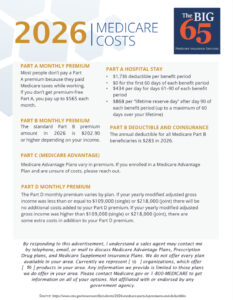
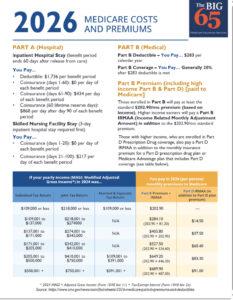
It’s crucial to remember that your Medigap premium is paid *in addition* to your monthly Medicare Part B premium. Everyone enrolled in Medicare Part B must pay this premium, which goes directly to the government. This cost is set each year and is not covered by any Medigap plan sold to new enrollees. Similarly, both Plan G and Plan N require you to pay the annual Part B deductible yourself before your Medigap coverage kicks in. Think of your total monthly healthcare cost as your Part B premium plus your Medigap premium. For Plan N, you’ll also want to budget for the potential copays for doctor and ER visits.
What Are the Potential Out-of-Pocket Costs?
This is where the trade-off for Plan N’s lower premium becomes clear. With Plan N, after you’ve met your annual Part B deductible, you will have a copayment of up to $20 for some doctor’s office visits and a $50 copay for emergency room visits. It’s important to know the ER copay is waived if you’re admitted to the hospital. These costs are predictable and relatively small, but they are something to factor into your budget.
With Plan G, you don’t have these copayments. Once your Part B deductible is paid for the year, your plan covers these costs completely. This is the primary reason for its higher premium—it offers more complete coverage at the point of service.
The Annual Part B Deductible
Here’s a key point for both plans: you are responsible for paying the annual Medicare Part B deductible. This is the amount you pay out-of-pocket each year for doctor visits and other outpatient care before your Medigap plan’s main coverage begins. For Plan G, this is essentially the only major cost you’ll handle. As NerdWallet highlights, “The only thing you’re responsible for is the annual Medicare Part B deductible.” Once you’ve paid it, Plan G steps in to cover your Medicare-approved costs for the rest of the year. Plan N also requires you to meet this deductible, but remember, you will still have your small copays for office and ER visits afterward.
The Part A Hospital Deductible
The Medicare Part A deductible can be a source of major anxiety. This is the amount you must pay for a hospital stay during each benefit period, and it can be a significant expense. Here’s the great news: both Plan G and Plan N cover this deductible completely. This is a critical benefit that offers substantial financial protection against the high costs of hospitalization. Even though Plan N comes with small copays for doctor visits, it still provides powerful coverage where it often matters most. As ValuePenguin confirms, Plan N “covers your Part A deductible and coinsurance (hospital costs),” ensuring that a necessary hospital stay won’t leave you with a large, unexpected bill.
The Deal with Part B Excess Charges
Here’s a detail that can be a deciding factor for some. A Part B excess charge is an extra amount, up to 15%, that a doctor can legally charge you above the Medicare-approved amount for a service. It’s important to know that these charges are not very common, as most doctors in the country accept Medicare assignment, meaning they agree to take the Medicare-approved amount as full payment.
However, if you see a doctor who doesn’t accept assignment, the difference in coverage matters. Plan G covers Part B excess charges, so you’d never have to worry about them. Plan N does not cover these charges, meaning you would be responsible for paying them yourself if they occurred.
How Common Are Excess Charges?
Thankfully, Part B excess charges are not something most people will encounter. The vast majority of doctors and healthcare providers across the country accept Medicare assignment, which means they’ve agreed to accept the Medicare-approved amount as their full payment and won’t bill you for more. Still, you might find a provider who doesn’t accept assignment, which would leave you responsible for that extra 15% if you have Plan N. It’s also helpful to know that some states have laws that prohibit doctors from billing for excess charges, making this a non-issue for residents there. For everyone else, deciding between Plan G and Plan N on this point comes down to your personal comfort with this small but potential risk.
Which Plan Fits Your Lifestyle?
Choosing between Plan G and Plan N comes down to your personal preferences, health, and budget. If you value predictability and want to minimize out-of-pocket costs when you visit the doctor, Plan G is an excellent choice. You’ll pay a higher premium, but you’ll have very few other costs for Medicare-covered services.
If you are in good health, don’t anticipate frequent doctor visits, and want to save money on your monthly premiums, Plan N could be a great fit. The potential copayments might be a small price to pay for the significant monthly savings. It’s a matter of weighing the lower premium against the possibility of small, predictable out-of-pocket costs.
How to Approach Medigap Costs
When you start looking at Medigap plans, the price tag is often the first thing you notice. But the monthly premium is only one part of the story. Understanding what goes into that number and how it relates to your total healthcare spending is key to making a smart decision. It’s not just about finding the cheapest plan today, but about finding the one that offers financial predictability and peace of mind for the years ahead. Let’s break down how to think about these costs so you can feel confident in your choice.
What Factors Influence Your Premium?
You might notice that the monthly premium for the exact same Medigap plan can vary quite a bit. That’s because several personal factors influence your rate. Insurance companies look at your age, where you live, and whether you use tobacco. For example, living in a state with a higher cost of living or more expensive healthcare services can result in a higher premium. Your age when you first enroll also plays a significant role in setting your initial price. Because these factors can lead to substantial differences in what you pay, it’s important to compare Medigap plans carefully to see what rates you qualify for based on your personal situation.
How Will Your Premiums Change Over Time?
It’s helpful to think of Medigap costs as a balancing act between your monthly premium and your potential out-of-pocket expenses. A plan with a higher monthly premium, like Plan G, often comes with lower or no costs when you see a doctor or visit a hospital. On the other hand, a plan with a lower premium, like Plan N, might require you to pay a small copay for certain services. When you evaluate your healthcare needs, consider your health history and how often you anticipate needing medical care. This will help you decide which approach is more cost-effective for you in the long run—paying more each month for predictability or paying less upfront with some variable costs.
How to Research Rate Increase History
A low monthly premium today doesn’t guarantee an affordable plan tomorrow. It’s a fact of life that Medigap premiums increase over time, influenced by inflation and rising healthcare costs. The real question isn’t if your premium will go up, but by how much. A plan with a cheap initial rate might have a history of steep, frequent price hikes, making it less stable in the long run. Before you enroll, it’s wise to ask the insurance company for the plan’s rate increase history over the last five to ten years. This data can be difficult to track down on your own, which is where an experienced independent agent can be a huge help. At The Big 65, we can access this historical data to help you compare plans from different companies and find one with a record of more stable and predictable rate adjustments.
A Look at Plan G and Plan N Premium Trends
When you compare Plan G and Plan N, you’ll see a clear difference in their premium structures. Plan G is known for its comprehensive coverage, which means it typically has a higher monthly premium. In return, it covers nearly all of your out-of-pocket costs after you’ve met your Part B deductible. Plan N usually has a more moderate premium, making it an attractive option if you want to keep your fixed monthly expenses lower. However, with Plan N, you should be prepared for some additional costs, like a copay of up to $20 for doctor visits and a $50 copay for ER visits that don’t result in hospital admission. The choice really comes down to your budget and comfort with these potential out-of-pocket payments.
Why Plan N Premiums May Rise Slower
When you’re planning for the long term, it’s wise to consider how your monthly premium might change down the road. While no one can predict the future with certainty, there’s a strong trend suggesting Plan N premiums may rise more slowly than Plan G’s. The reason is tied to the plan’s design. Because Plan N requires you to pay small copayments for doctor visits, it tends to appeal to people who are in relatively good health. This creates a healthier group of members, or “risk pool,” who generally file fewer claims. Since insurance companies set future rates based on past claims, a healthier group often leads to smaller, more predictable rate increases over time.
How to Choose Between Medigap Plan G and N
Picking the right Medigap plan feels like a huge decision, because it is. But it doesn’t have to be overwhelming. The best plan for you comes down to a few key factors: your health, your budget, and how you feel about handling potential costs down the road. By thinking through these areas, you can find a plan that gives you security and peace of mind. Let’s walk through the four main questions to ask yourself.
Assess Your Current Health Needs
First, take an honest look at your health. This is the foundation for your decision. Think about how often you currently visit the doctor or specialists. Do you have any chronic conditions that require regular care? While no one has a crystal ball, you should “consider your current health, [and] potential future needs,” as you choose your coverage. If you see doctors frequently or manage an ongoing health issue, a plan with more comprehensive coverage, like Plan G, might be a better fit. This initial step helps you match a plan’s benefits to your real-world health situation.
Figure Out What Your Budget Allows
Next, it’s time to think about your finances. Your monthly premium is a fixed cost, but you also need to account for potential out-of-pocket expenses like deductibles and copayments. It’s a balancing act. For example, “Plan G may have higher monthly premiums compared to other plans like Plan N,” but it covers more, leaving you with fewer surprise bills. On the other hand, “Plan N generally has lower monthly premiums,” which can be great for your monthly budget, but you’ll be responsible for small copays for doctor and ER visits. Think about what you’re more comfortable with: a higher predictable monthly bill or a lower one with some variable costs.
A Quick Cost-Benefit Example
Let’s put this into perspective with a simple scenario. Imagine Plan N’s monthly premium is $40 less than Plan G’s in your area. Over a year, that’s a savings of $480. That’s a significant saving, but with Plan N, you have to account for potential copays. After you meet your Part B deductible, you’ll have a copayment of up to $20 for some doctor visits. If you divide your annual premium savings ($480) by that $20 copay, you get 24. This means if you anticipate having more than 24 doctor visits in a year, the higher premium for Plan G might actually be the more cost-effective choice. If you expect fewer visits, the monthly savings from Plan N are hard to ignore. This simple calculation helps you see how your health habits can directly influence which plan makes the most financial sense and is a great way to compare Plan G and Plan N for your specific needs.
Think About Your Long-Term Health
While your current health is a great starting point, it’s wise to plan for the future, too. Your health needs can change over time, and it’s not always easy to switch Medigap plans later on. Outside of your initial enrollment period, insurance companies can use medical underwriting to decide whether to cover you and how much to charge. This makes your first choice incredibly important. You should “carefully consider your healthcare usage, budget, and risk tolerance when choosing a plan” to ensure it serves you well for years to come. A plan that feels right today should also feel right if your health needs change tomorrow.
How Comfortable Are You with Financial Risk?
Ultimately, this choice comes down to your personal comfort with financial risk. Are you someone who sleeps better at night knowing that nearly all of your medical costs are covered after you meet your deductible? If so, Plan G’s comprehensive coverage is likely your best bet. Or, are you generally healthy and prefer to pay lower monthly premiums, even if it means handling some out-of-pocket costs yourself? If you “don’t anticipate frequent doctor visits or emergency room trips, Plan N could be a cost-effective option.” There’s no right or wrong answer—only the one that aligns with your personal and financial preferences.
Common Medigap Myths You Can Ignore
When you’re trying to figure out Medigap, it feels like everyone has an opinion. Friends, neighbors, and articles you find online might offer advice, but sometimes that information is outdated or just plain wrong. It’s easy to get tripped up by hearsay. Let’s walk through some of the most common myths about Medigap plans so you can separate fact from fiction and make a choice that feels right for you.
Myth: “All Medigap plans are the same.”
This is a common point of confusion, and it’s easy to see why. The truth is a little more nuanced. While Medigap plans are standardized by the government, they aren’t all the same. There are 10 distinct plans, labeled with letters like G and N, each offering different levels of coverage. The key thing to remember is that a Plan G from one company must offer the exact same benefits as a Plan G from another. What isn’t identical is the price. Insurance companies can charge very different monthly premiums for the same lettered plan, which is why it’s so important to compare your options carefully.
Myth: “Plan F is still the best plan available.”
You may hear friends or family who have been on Medicare for a while talk about how great Plan F is. And they’re not wrong—it was famous for its comprehensive coverage. However, a federal law changed things for new enrollees. If you became eligible for Medicare on or after January 1, 2020, you can no longer purchase Plan F. For anyone new to Medicare, Plan G is now the go-to choice and a strong alternative that offers nearly identical coverage. The only significant difference is that you have to pay your annual Part B deductible yourself with Plan G.
Myth: “With Plan G, you’ll have zero out-of-pocket costs.”
Plan G is incredibly popular because it covers so many of the gaps in Original Medicare, but it doesn’t eliminate all costs. With Plan G, your main out-of-pocket expense will be the annual Part B deductible. This is the amount you pay for doctor visits and other outpatient services before Medicare and your Medigap plan start paying their share. For many people, this is a predictable and manageable expense. Once you’ve met that deductible for the year, Plan G picks up the rest of the approved costs, including things like Part B excess charges, which can be a relief for your budget.
Myth: “Plan N only has small copays.”
Plan N is an attractive option because its monthly premiums are often lower than Plan G’s. While it’s true that you’ll have small copayments—up to $20 for some doctor’s office visits and $50 for an ER visit—that isn’t the whole story. The most important detail to understand about Plan N is that it does not cover Part B excess charges. These are extra fees that some doctors are legally allowed to charge above the Medicare-approved amount. While not all doctors bill for them, if you see one who does, you’ll be responsible for paying that difference out of pocket. This is a key trade-off for the lower premium.
How to Find the Best Rate for Your Medigap Plan
Once you have a good idea of whether Plan G or Plan N is a better fit for you, the next step is to find the best price. Since private insurance companies sell Medigap plans, the premiums for the exact same plan can be different from one company to the next. Think of it like buying a car—the same make and model can have different price tags at different dealerships. Your job is to find the one that offers the coverage you need at a price that works for your budget.
Finding the right rate involves a little bit of research, but it’s well worth the effort. By comparing your options, understanding what goes into the price, and asking the right questions, you can feel confident that you’re not overpaying for your coverage. Let’s walk through a few simple steps to help you secure a great rate for your Medigap plan.
Always Compare Quotes from Multiple Insurers
You wouldn’t buy the first house you see, and the same principle applies here. Because prices and plans vary between companies, it’s essential to get multiple quotes. This allows you to compare not just the monthly premium but also the company’s reputation for customer service and rate stability. An independent insurance agent can be a huge help here, as they can pull quotes from several different carriers for you all at once. This saves you the time and hassle of calling each company individually and gives you a clear, side-by-side look at your options.
Why an Independent Agent Can Help
While you can certainly call each insurance company yourself, the process can be time-consuming. This is where working with an independent agent can make a world of difference. Unlike a captive agent who only represents one company, an independent agent works with many different insurance carriers. Their job is to shop the market on your behalf, presenting you with the best options for your specific needs and budget. This approach saves you from making dozens of phone calls and filling out multiple forms. An experienced agent can quickly compare quotes for the same plan from various companies, but they also bring valuable insight into factors beyond price, like a company’s history of rate increases and its reputation for customer service. This expert guidance helps ensure you find a plan that offers both a competitive premium today and stability for the future.
Know the Three Ways Plans Are Priced
Monthly premiums for Medigap plans can change quite a bit based on your age, where you live, and whether you use tobacco. For instance, the cost for a Medigap Plan G in one city might be very different from the cost in another, even for the same person. Insurance companies use one of three pricing methods: community-rated, issue-age-rated, or attained-age-rated. Understanding which method a company uses is key, as it affects how your premium might change over time. Attained-age-rated plans, for example, often start with lower premiums that increase as you get older.
Community-Rated
With a community-rated plan, everyone in a specific area pays the same monthly premium, no matter how old they are. This means a 65-year-old and an 85-year-old with the same plan from the same company will have the same rate. While you might pay a little more when you first enroll compared to other pricing models, the big advantage is that your premium won’t go up just because you have a birthday. Your rate can still increase due to inflation or rising healthcare costs that affect everyone in the community, but you’re protected from age-based hikes. This method offers great long-term predictability, which can be a huge relief for your budget over the years.
Issue-Age-Rated
Issue-age-rated plans lock in your premium based on your age when you first buy the policy. So, if you enroll at 65, you’ll get a lower rate than someone who enrolls at 70. The good news is that your premium isn’t supposed to increase just because you get older. However, it’s important to know that your rate can still go up. The insurance company can raise premiums for everyone with that plan due to factors like inflation or overall healthcare cost trends. This method can be a great deal if you buy your plan when you’re younger, as it helps protect you from the steep age-related increases you might see with other pricing structures.
Attained-Age-Rated
Attained-age-rated plans are the most common, and they work just like the name sounds: your premium is based on your current age. These plans typically start with the lowest monthly premiums, which can make them look very appealing when you first enroll at 65. However, your rate will increase as you get older, often on your birthday each year. On top of these age-based increases, your premium can also go up due to inflation. While the initial savings are nice, these plans can become significantly more expensive over the long term. It’s crucial to understand how costs can change before choosing this type of plan.
Don’t Forget to Ask About Discounts
Don’t be shy about asking for a discount—you might be surprised by what’s available. Many insurance companies offer discounts that can help lower your premiums. A common one is a household discount, which you might get if you and your spouse are both enrolled in plans from the same company. Some insurers also offer discounts for setting up automatic payments from your bank account or for being a non-smoker. When you’re comparing plans, always make it a point to ask the agent or company representative about any discounts you might qualify for.
Which Companies Offer Medigap Plans?
Once you’ve decided on a Medigap plan letter, like G or N, your next step is to choose an insurance company. This is a crucial step because while the government standardizes the benefits for each plan letter, the companies that offer them are all different. Medigap plans are sold by private insurance companies, not by Medicare itself. This means that a Plan G from one company has the exact same basic medical benefits as a Plan G from another company.
So, what’s the difference? The price. Monthly premiums for the same exact plan can vary significantly from one company to the next. Beyond cost, companies also differ in their customer service, financial stability, and how they price their plans over time. Some companies are known for low introductory rates that increase sharply later, while others have more stable pricing. That’s why it’s so important to compare your options carefully. You’re not just picking a plan; you’re choosing a company to partner with for your healthcare coverage for years to come.
A Look at Major Medigap Providers
Think of us at The Big 65 as your expert guide rather than an insurance company. We don’t offer Medigap plans ourselves. Instead, we are an independent agency that helps you sort through all the options from the major insurance carriers in your state. Our job is to make this process easier for you. We provide the tools and one-on-one guidance to help you understand the fine print, compare costs, and find the best plan and company for your specific needs and budget. We do the heavy lifting of researching and comparing so you can feel confident in your choice.
Aetna
Aetna is a well-known name in the insurance world, and they are a major player in the Medigap market. They offer a solid range of plans, including the popular Plan G and Plan N. Many people are drawn to Aetna because of their competitive pricing and strong reputation for customer service. When you’re dealing with medical bills and claims, having a company that is responsive and helpful can make a huge difference. If a good balance of reasonable cost and reliable support is important to you, Aetna is definitely a company to have on your comparison list.
Cigna
If you’re focused on finding the lowest possible premium, Cigna might catch your eye. They are often recognized for having some of the most competitive rates, especially for Plan N. However, it’s important to look at the full picture. According to some industry reviews, Cigna has a higher-than-average number of complaints compared to its size. This doesn’t mean you’ll have a bad experience, but it’s a factor to consider. For some, the potential monthly savings is worth it, while others may prefer to pay a bit more for a company with a stronger customer service record.
Mutual of Omaha
Mutual of Omaha is another long-standing, reputable company that many people trust for their Medigap coverage. One of their standout features is the potential for discounts. They often offer a significant household discount if you and your spouse both enroll in a plan, which can lead to substantial savings over time. They provide the most popular plans, like G and N, though their overall selection might be smaller than some competitors. If you’re eligible for a household discount, it’s absolutely worth getting a quote from Mutual of Omaha to see how it stacks up.
AARP/UnitedHealthcare
You’ll almost always see AARP and UnitedHealthcare mentioned together. UnitedHealthcare is the insurer for the AARP-branded Medicare plans. Their biggest strength is the extensive range of Medigap plans they offer, which are available in all 50 states. This wide availability and variety of choices can be a huge plus. However, for some people, having so many options can feel a little overwhelming. The AARP endorsement is a big draw for many, and their nationwide presence makes them a reliable choice no matter where you live.
Blue Cross Blue Shield
Blue Cross Blue Shield (BCBS) is a bit unique. It’s not a single national company but a federation of 34 independent, locally operated companies. This means that the BCBS in your state is different from the one in the next state over. Because of this structure, the plan offerings, pricing, and customer service can vary quite a bit depending on where you live. They are generally a well-regarded option with strong local networks, but you’ll need to research your specific state’s BCBS provider to get an accurate picture of what they offer.
Humana
Humana is another one of the largest and most recognized providers of Medigap plans. They offer several options, including the highly sought-after Plan G and Plan N. Humana is often noted for its focus on customer support and providing helpful resources to its members. Like some other large carriers, their pricing and plan availability can sometimes differ by state, so it’s important to get a quote specific to your area. If you value strong customer service and want a plan from a stable, well-known company, Humana is a solid contender to include in your comparisons.
Related Articles
Frequently Asked Questions
What’s the real difference between Plan G and Plan N in simple terms? Think of it as a trade-off between your monthly bill and what you pay when you see a doctor. With Plan G, you pay a higher monthly premium, but once your annual Part B deductible is met, your medical costs are almost entirely covered. Plan N offers a lower monthly premium, but in exchange, you agree to pay small, predictable copayments for some doctor and ER visits. The other key difference is that Plan G covers Part B excess charges, while Plan N does not.
If all plans with the same letter are identical, should I just pick the cheapest company? While it’s tempting to just go for the lowest price, the company you choose really does matter. The benefits of a Plan G are the same everywhere, but the company’s history of rate increases and its customer service are not. Some companies might offer a low introductory rate that climbs steeply over the years. Choosing a stable, reputable company can save you money and headaches in the long run.
I keep hearing about Plan F. Why isn’t it a main option anymore? You’re right, Plan F was once the most popular plan because it covered everything. However, a federal law changed the rules for anyone who became eligible for Medicare on or after January 1, 2020, making Plan F unavailable to them. For new Medicare members, Plan G has effectively taken its place as the most comprehensive option available. It offers the same robust coverage as Plan F, with the single exception that you pay the annual Part B deductible yourself.
Can I switch my Medigap plan easily if my health changes later on? Switching plans isn’t always a simple process. When you first enroll in Medicare, you have a special open enrollment period where you can buy any Medigap plan without answering health questions. Outside of that window, insurance companies can generally require medical underwriting. This means they can review your health history and potentially charge you a higher premium or even deny coverage. This is why it’s so important to choose a plan that you feel will serve you well for years to come.
Do these Medigap plans help pay for my prescription medications? This is a fantastic question and a common point of confusion. Medigap plans are designed to help cover the costs associated with Original Medicare Parts A and B, which are your hospital and medical insurance. They do not include coverage for prescription drugs. For that, you will need to enroll in a separate Medicare Part D prescription drug plan.
What If You Need Help with Medicare Costs?
Even with the right Medigap plan, the combined costs of premiums and other healthcare expenses can feel like a stretch, especially if you’re on a fixed income. It’s completely normal to be concerned about your budget. The good news is that you don’t have to figure it all out on your own. There are several established government programs designed specifically to help people with limited income and resources pay for their healthcare costs. Taking the time to see if you qualify for one of these programs can make a significant difference in your monthly budget and provide an extra layer of financial security.
These programs can help with everything from paying your monthly Medicare premiums to covering deductibles and coinsurance. While the application process and eligibility requirements can seem a bit complicated at first, the potential savings are well worth the effort. Think of it as one more step in creating a comprehensive healthcare plan that truly works for you, both medically and financially. Below, we’ll walk through some of the key programs that can provide valuable assistance.
Exploring Financial Assistance Programs
If you’re looking for ways to lower your healthcare spending, several federal and state programs are available to help. These programs have specific income and resource limits, which can vary by state and change from year to year. It’s important to look at the requirements for your specific location to see if you might be eligible. Understanding these options can help you access valuable benefits that make your medical care much more affordable, ensuring you can get the care you need without the financial strain.
Medicaid
Medicaid is a joint federal and state program that provides health coverage to millions of Americans, including many seniors with low income. It works differently from Medicare and can help cover costs that Medicare doesn’t, such as long-term care services at home or in a nursing home. Because each state administers its own Medicaid program, the eligibility rules and benefits can vary significantly. If you think you might qualify, your first step should be to check the specific guidelines for your state’s Medicaid agency.
Medicare Savings Programs (MSPs)
Medicare Savings Programs (MSPs) are state-run programs, funded by the federal government, that are designed to help people with limited income pay for their Medicare costs. Depending on your income level, an MSP could help pay for your Part A and Part B premiums, deductibles, and coinsurance. For many people, just having their Part B premium covered provides significant monthly savings. You can learn more about the different types of Medicare Savings Programs and their income requirements on the official Medicare website.
PACE
The Program of All-Inclusive Care for the Elderly, or PACE, is a unique program offered by Medicare and Medicaid. It’s designed to help older adults who need a nursing home level of care to continue living safely in their community. PACE provides a comprehensive package of medical and social services, including primary care, physical therapy, prescription drugs, and even transportation. This coordinated approach helps manage all of your healthcare needs through a single team. You can find more details about how the PACE program works and if it’s available in your area.
Veterans Health Administration (VA) Benefits
If you are a veteran, you may be eligible for healthcare benefits through the U.S. Department of Veterans Affairs (VA). VA health care can work alongside your Medicare coverage, and in some cases, it may reduce your out-of-pocket costs. Eligible veterans can receive a wide range of services, including hospital care, outpatient services, and long-term care. It’s a valuable benefit that you’ve earned through your service. To see if you qualify and to learn more about what’s offered, you can explore the VA health care website.